How might we bridge cultural preservation with positive economic development in gentrifying neighborhoods?
CHALLANGE AND OPPORTURNITY
The problem our agency identified is how gentrification has a negative effect on new businesses. Distrust toward newcomers often stems from a lack of community acceptance. Local community boards may rely too heavily on policy, leaving little room for empathetic conversations between entrepreneurs and residents. NYC Office of Public Imagination seeks to bridge this gap by keeping local historic values central while fostering positive economic development.
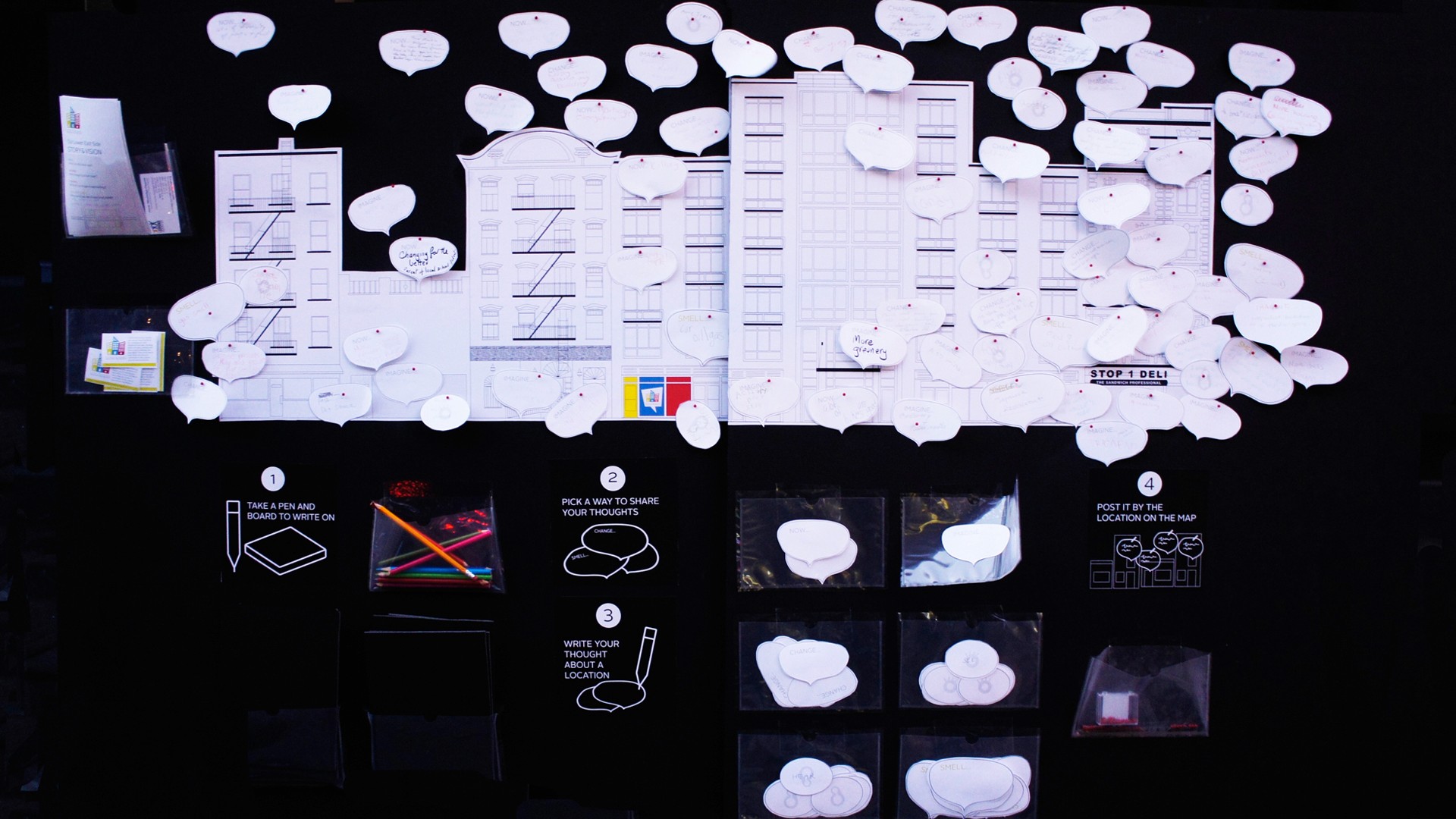
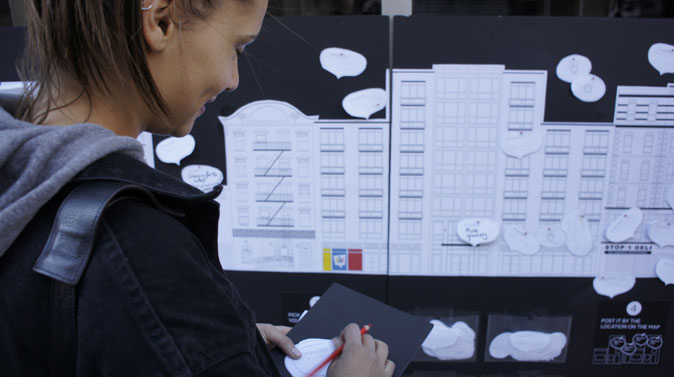
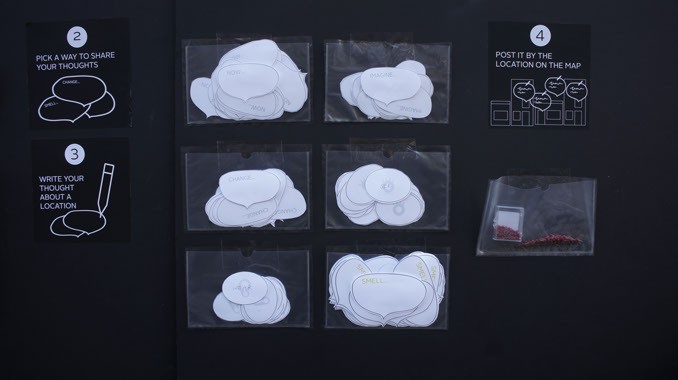
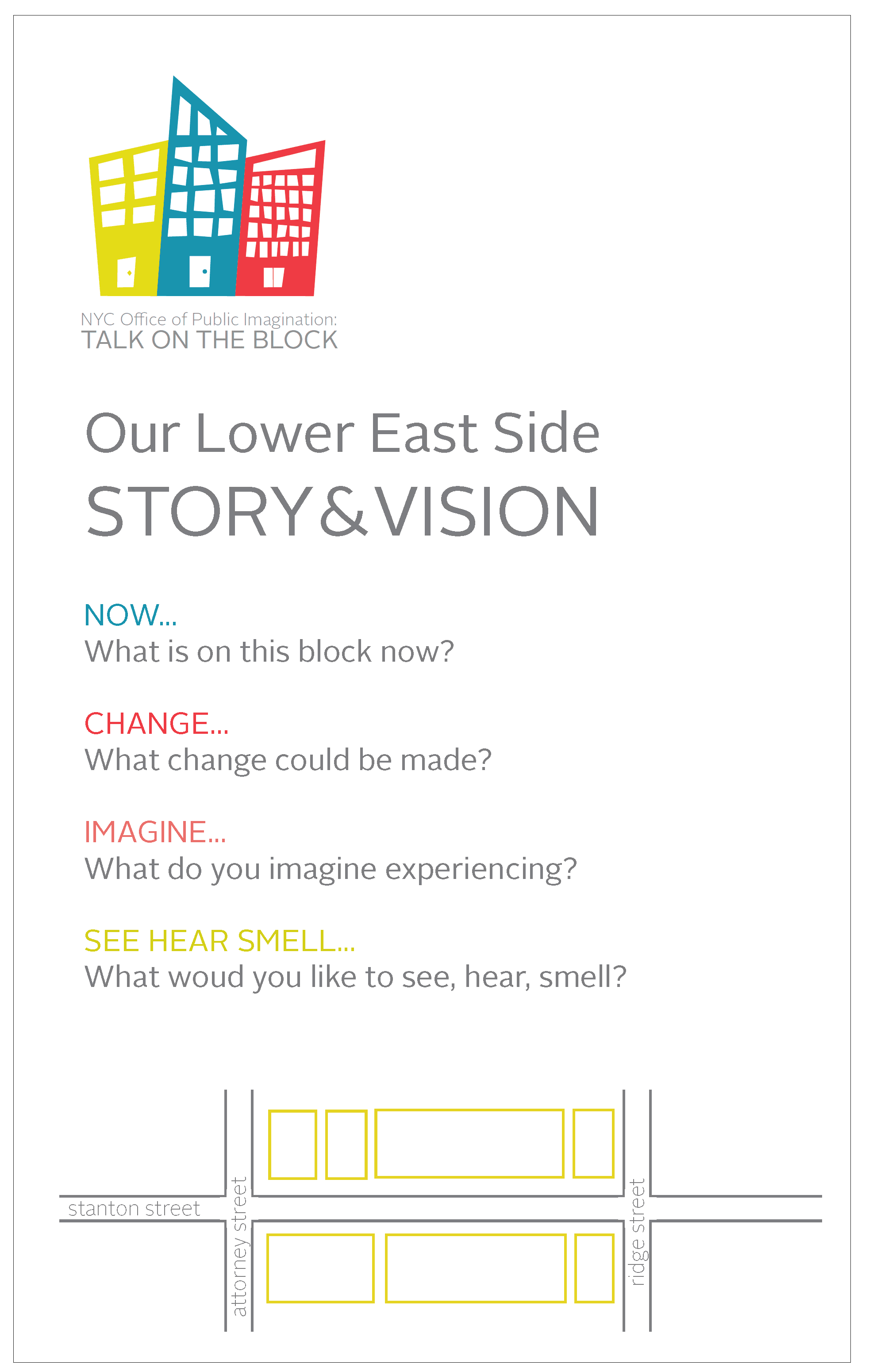
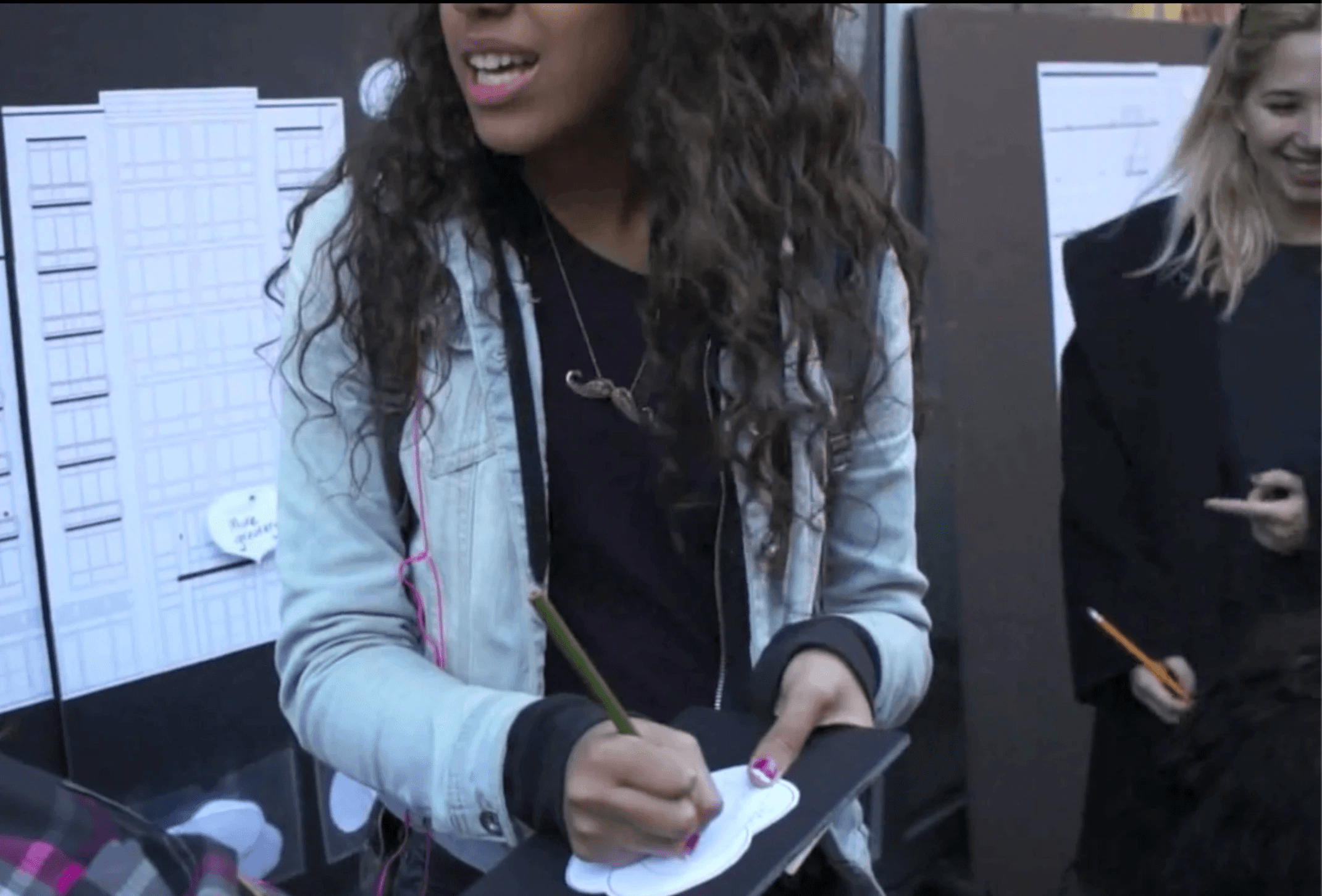
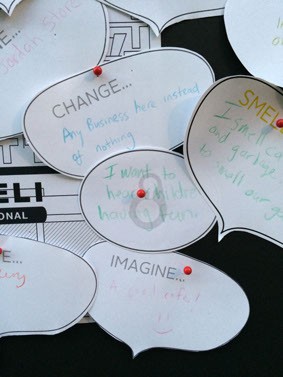
NYC OPI serves as a hub where the first prototype gathered community input through on-the-ground engagement — conversations, mapping exercises, and idea boards — and translated it into actionable business concepts. This prototype allows us to refine the service into both digital and physical space.
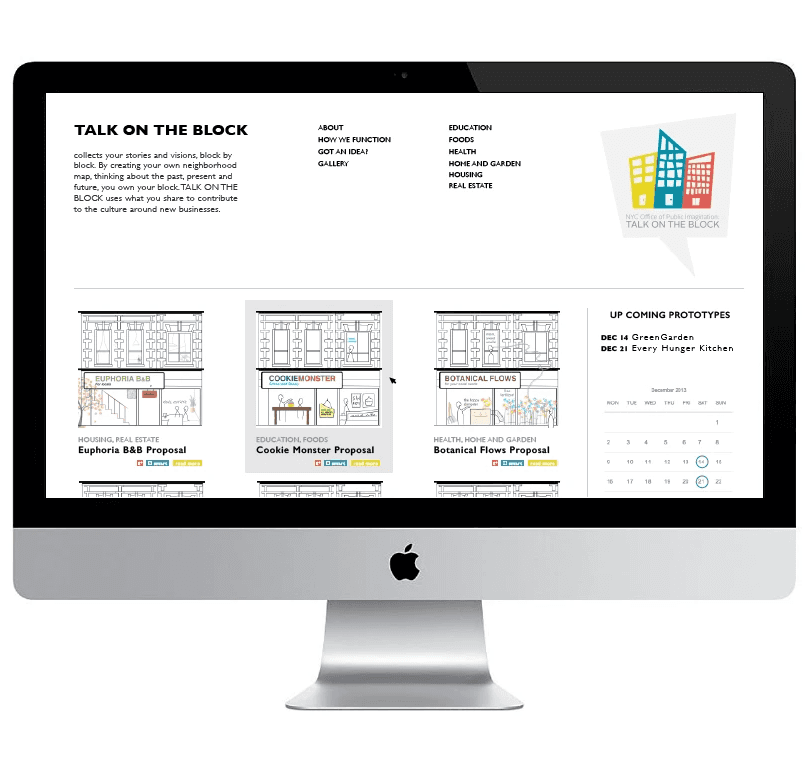
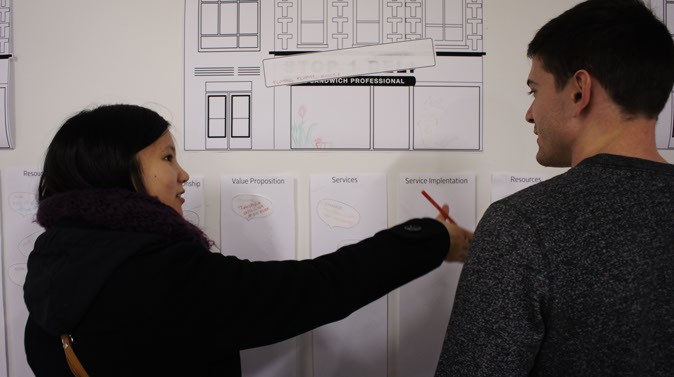
The digital platform acts as a virtual “office,” where residents share what they value and want in their neighborhood. NYC OPI uses that data to compose business models and proposals that entrepreneurs can reference to recognize a business that will both respect the locals while pursuing economic viability. In a physical setting, the Office hosts pop-up sessions, providing a neutral space for co-design and negotiation. By bridging everyday local knowledge with business planning, the service aims to embed empathy and shared benefit into neighborhood development.
service
The process fostered empathy and mutual understanding between entrepreneurs and the local community, while strengthening a shared sense of empowerment. Residents felt more ownership and influence over the future of their neighborhood, and their sense of belonging deepened. Although initially applied to small business development, the model was designed with the flexibility to be adapted to other domains such as transportation, urban planning, and disaster preparedness.
Collaborator
Team
Location
New York, NY - 2013