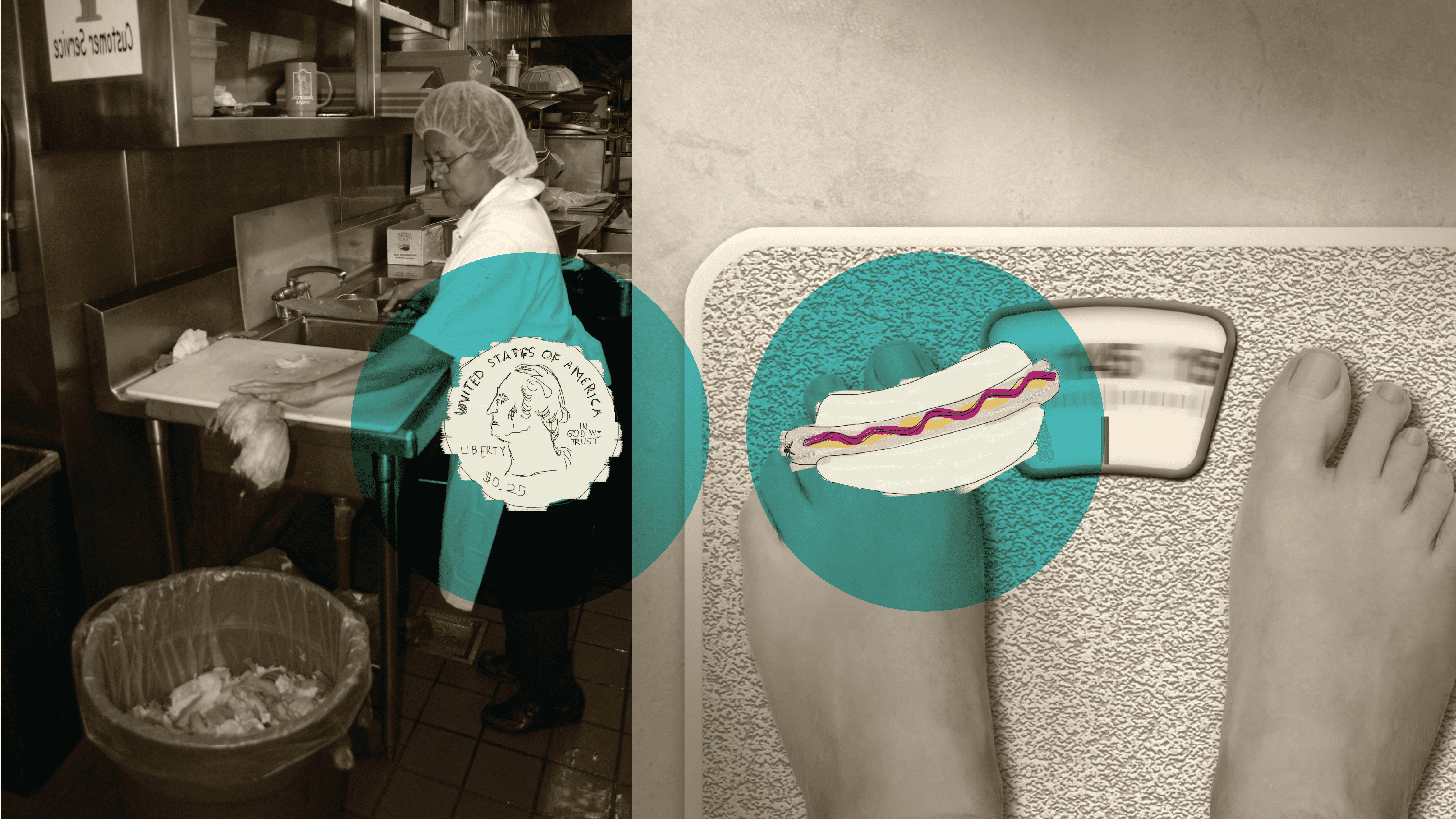
How might we design a shopping experience that minimizes food waste?
A collaborative project addressing the interrelated social determinants of health through the lens of supermarkets, with the aim of promoting healthier and more sustainable communities.
INSIGHT
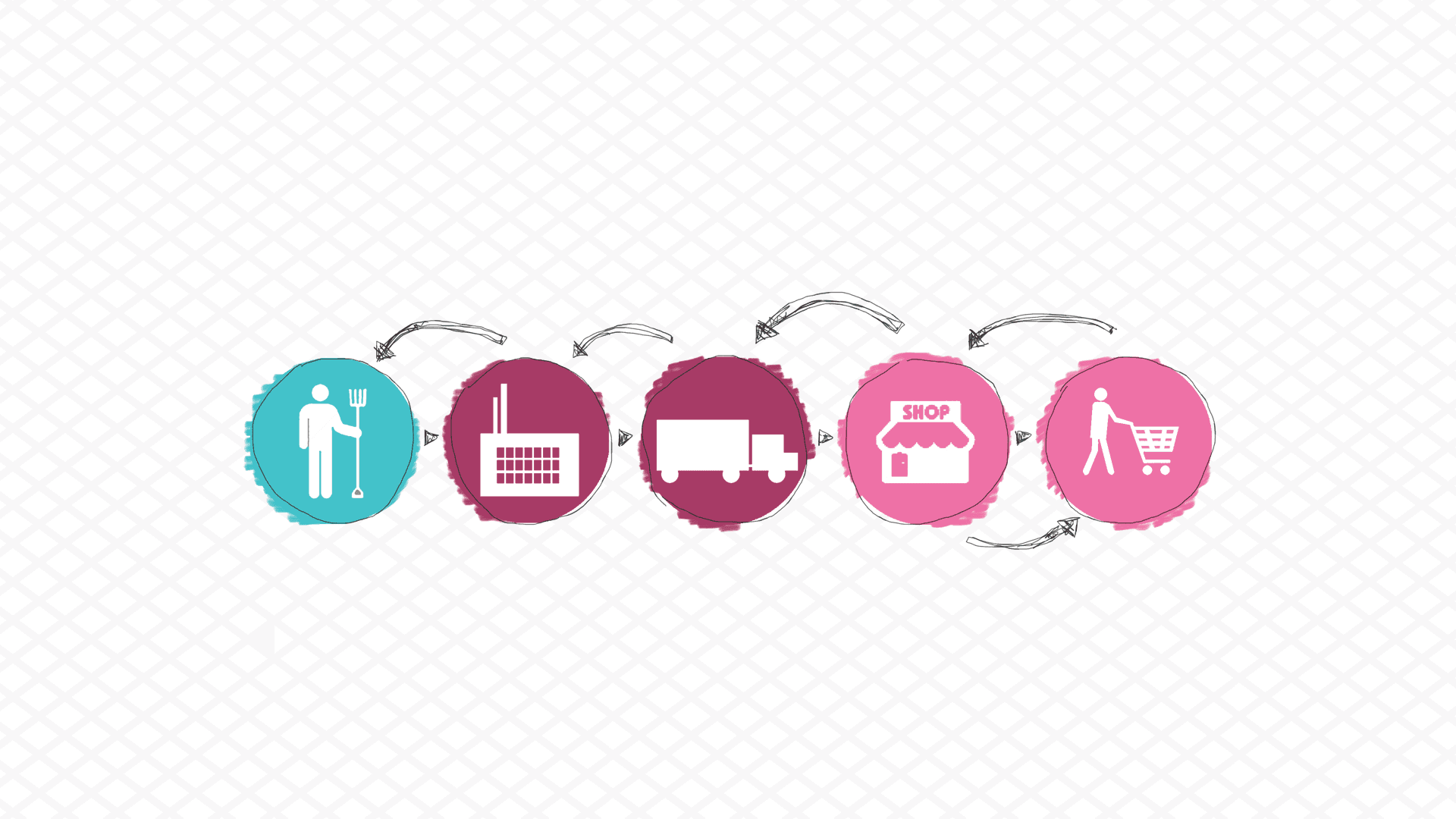
Public health and food waste are often treated as separate issues, yet they are two sides of the same systemic mechanism: an oversupply of low-quality, processed food. By reframing public health through the lens of waste, we identified the supermarket as the critical intervention point in the food supply chain.
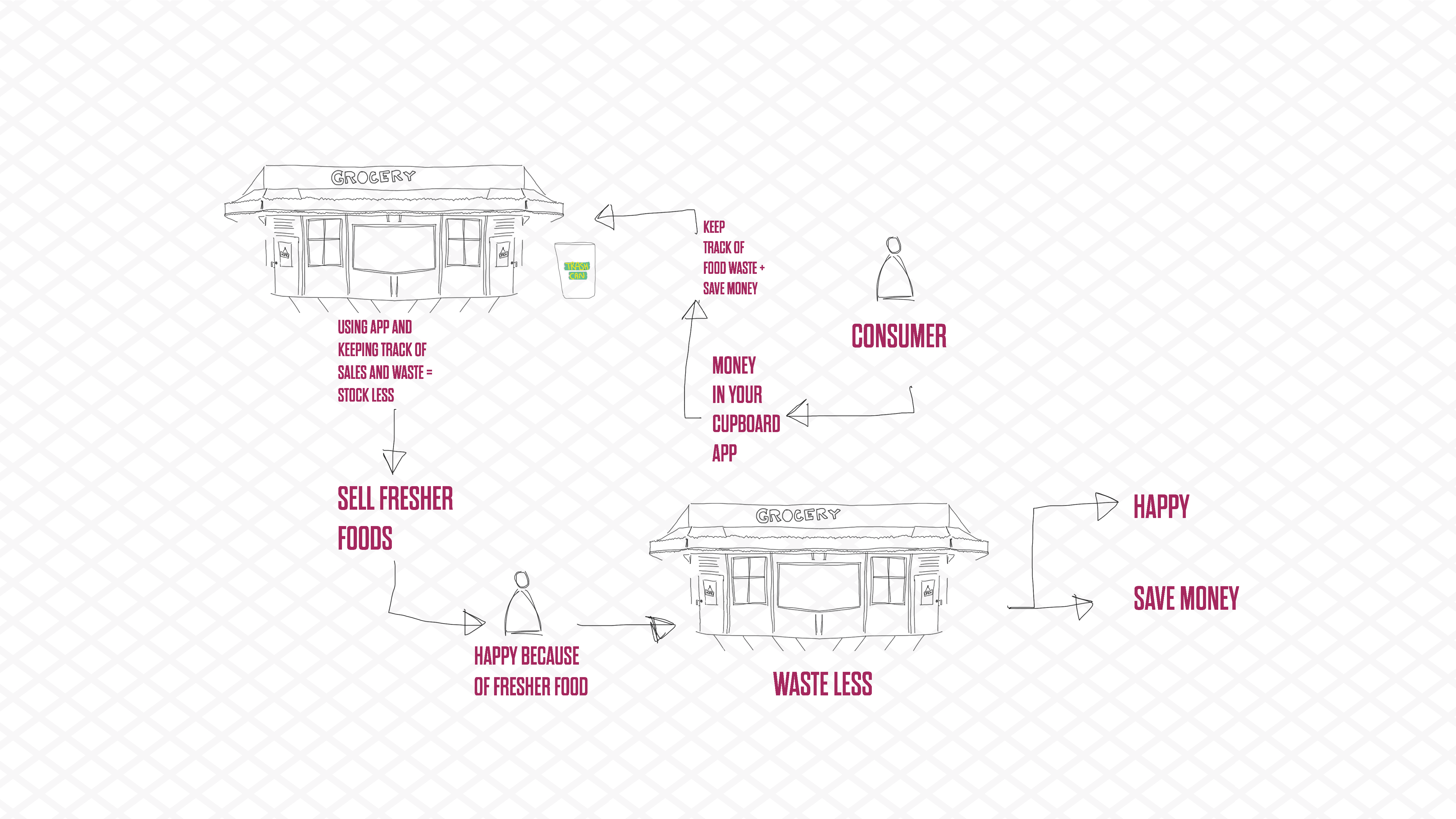
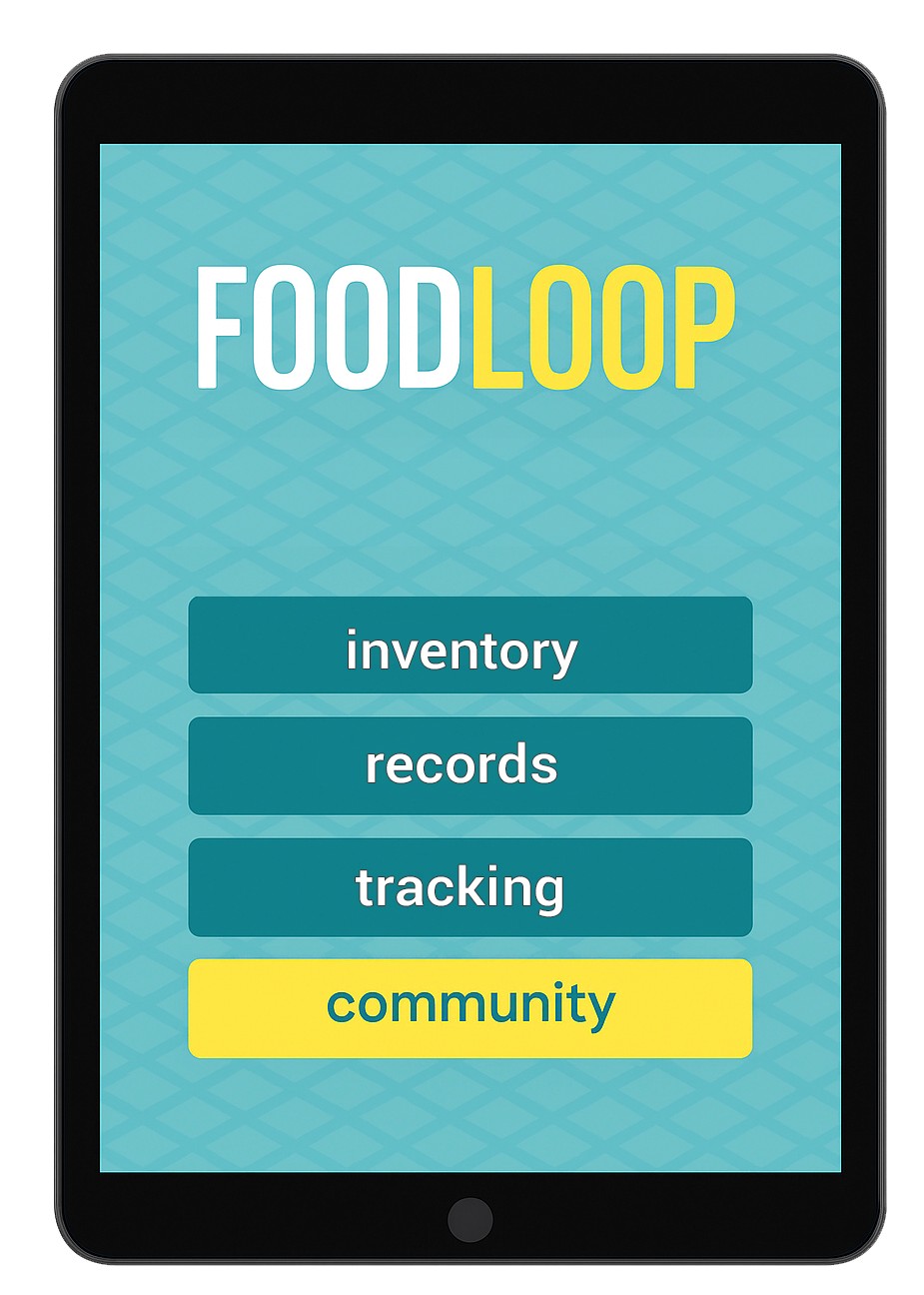
Research revealed that 40% of food in the U.S. is wasted, with the majority of that loss occurring at the consumer level. We developed Food Loop, a service platform designed to bridge the data gap between retailers and households.The strategy was to make the invisible visible. By tracking consumption habits alongside economic costs, the platform provides users with personalized insights and resource-recovery strategies—turning "waste" into a tangible financial and ecological asset.
SERVICE
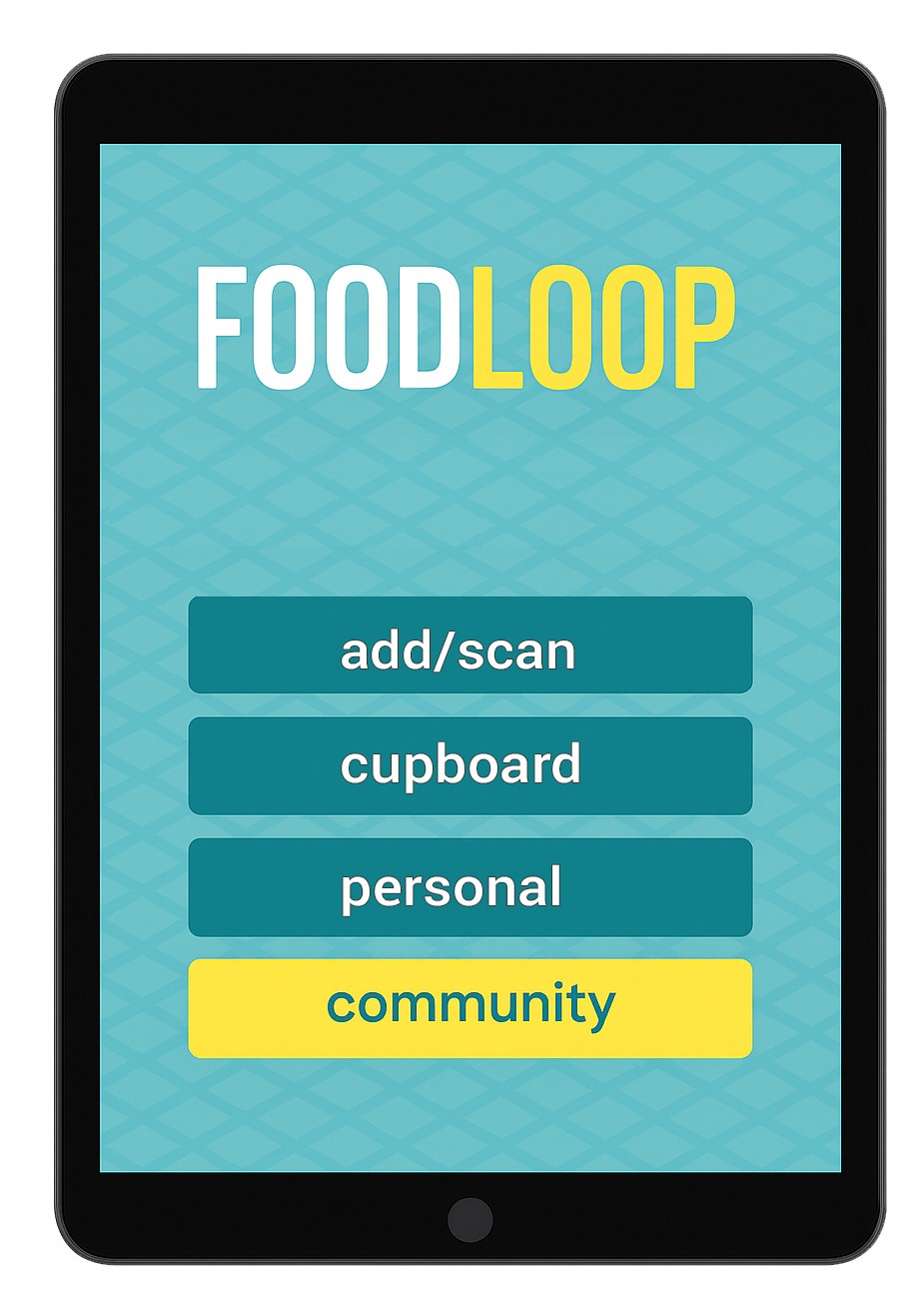
Food Loop functions as a shared data hub that aligns retail supply with actual community demand. By aggregating data across individual and retail levels, the project demonstrates how communities can identify collective patterns and design localized prevention initiatives.
The work proposes that when data reveals our habits, design can move us beyond personal responsibility toward a circular food network.
Insight that opened up the design space
Collaborator
Team
Shahrezad Morssal, Jie Wang
Location
New York, NY - 2013