How might we design tools that bring environmental considerations into social innovation contexts?
The New School’s student group Project Africa hosted a one-day conference titled Design Africa, responding to the continent’s absence in traditional design discourse. We collaborated with Project Africa to design and facilitate an open innovation workshop.
PROCESS
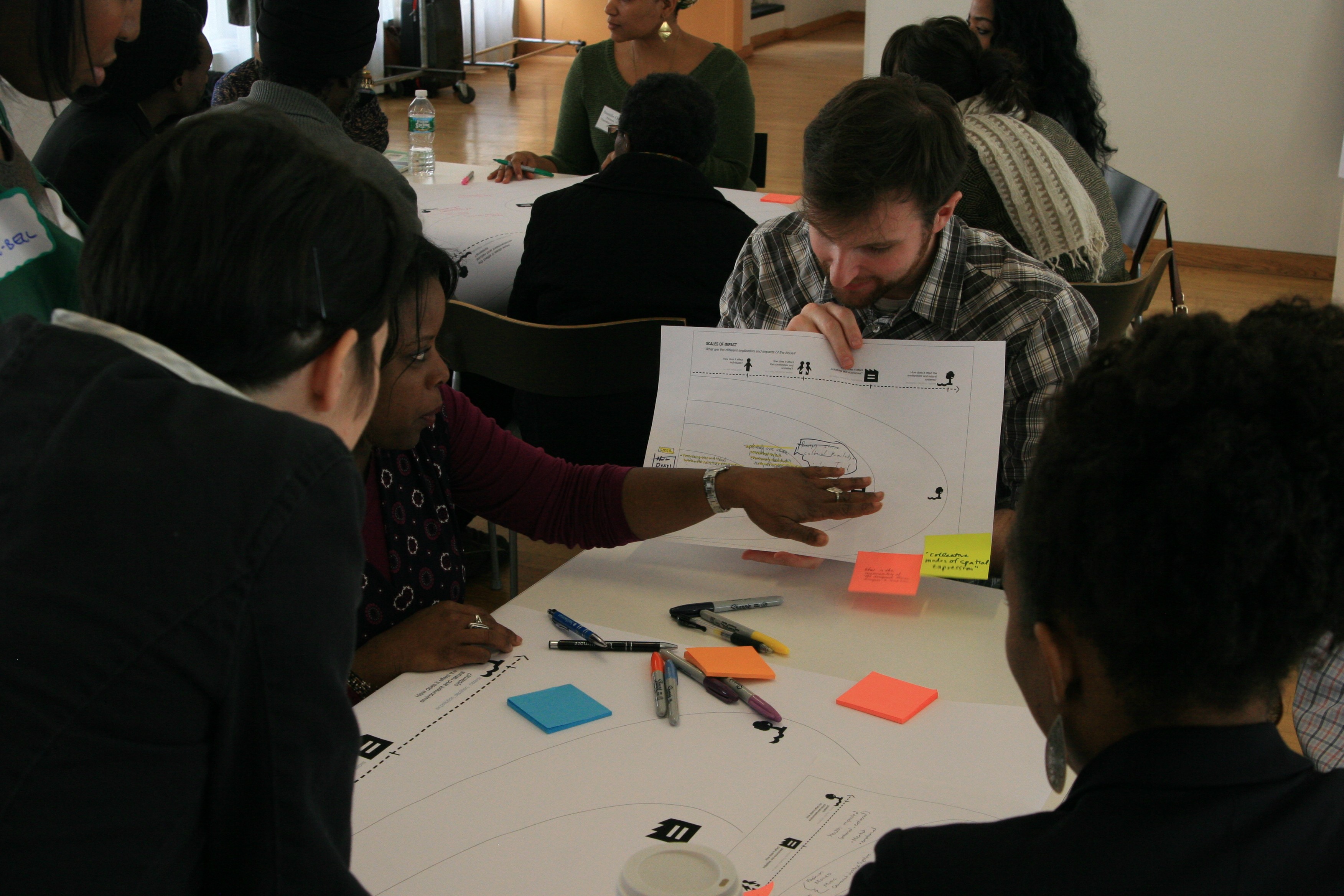
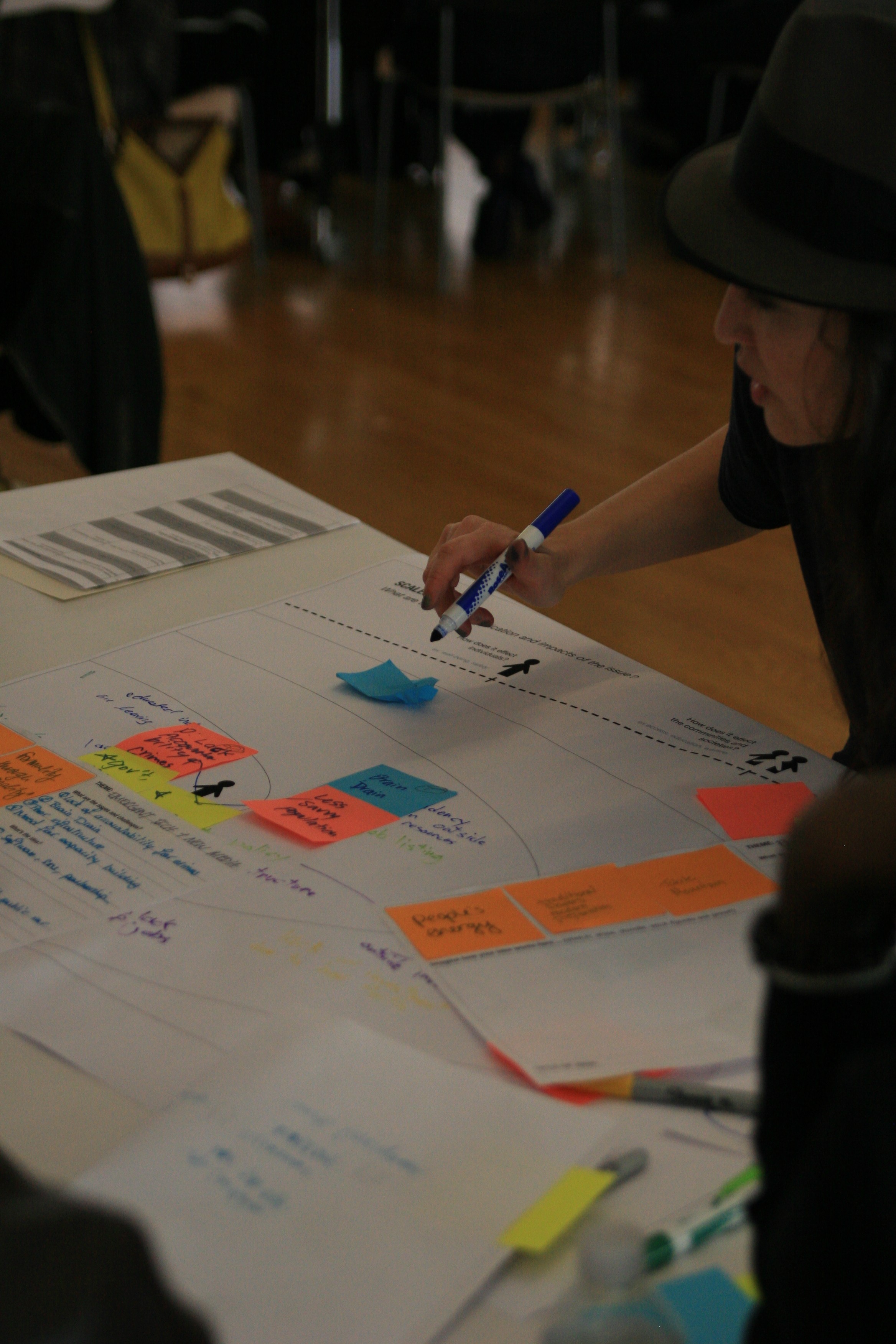
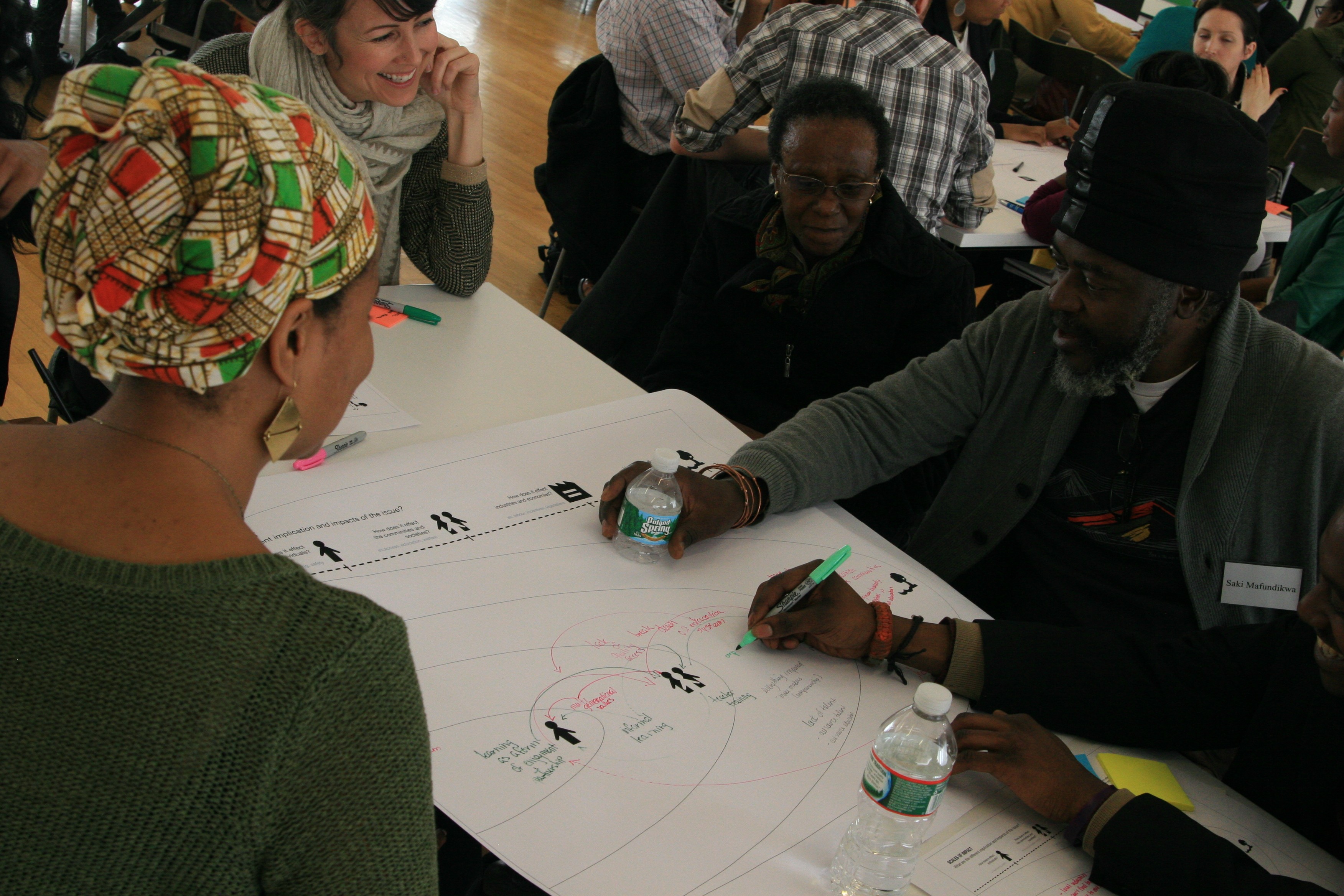
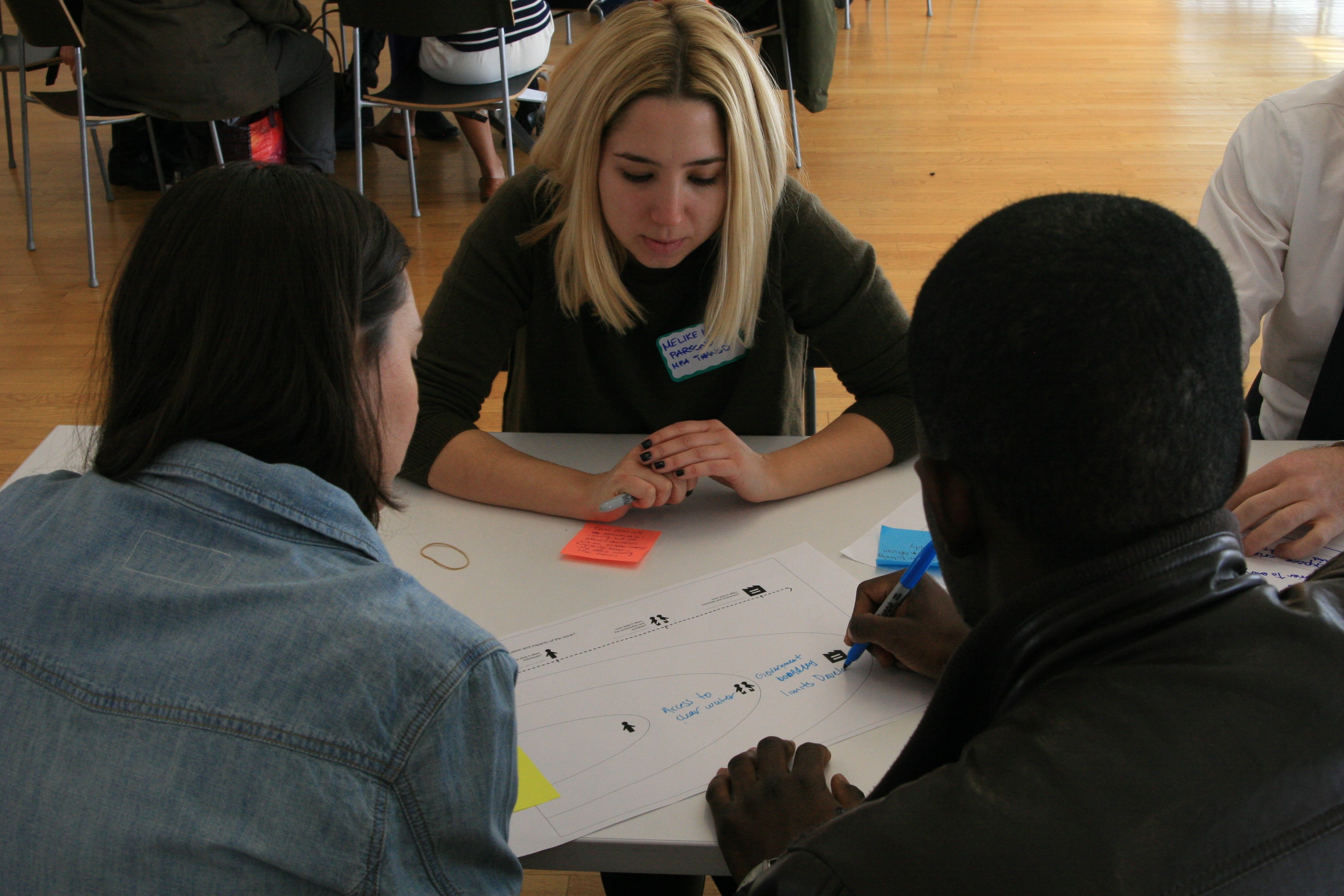
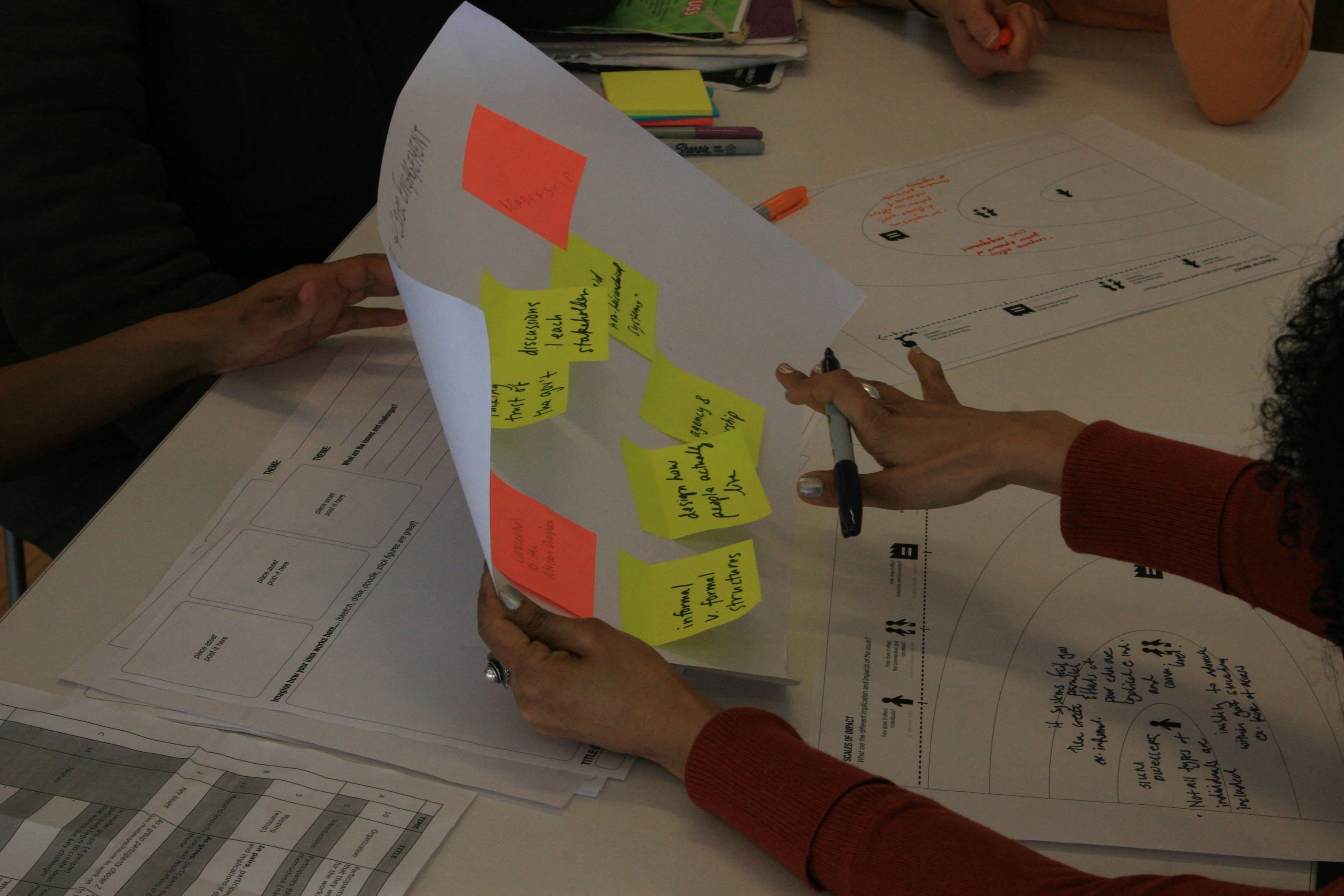
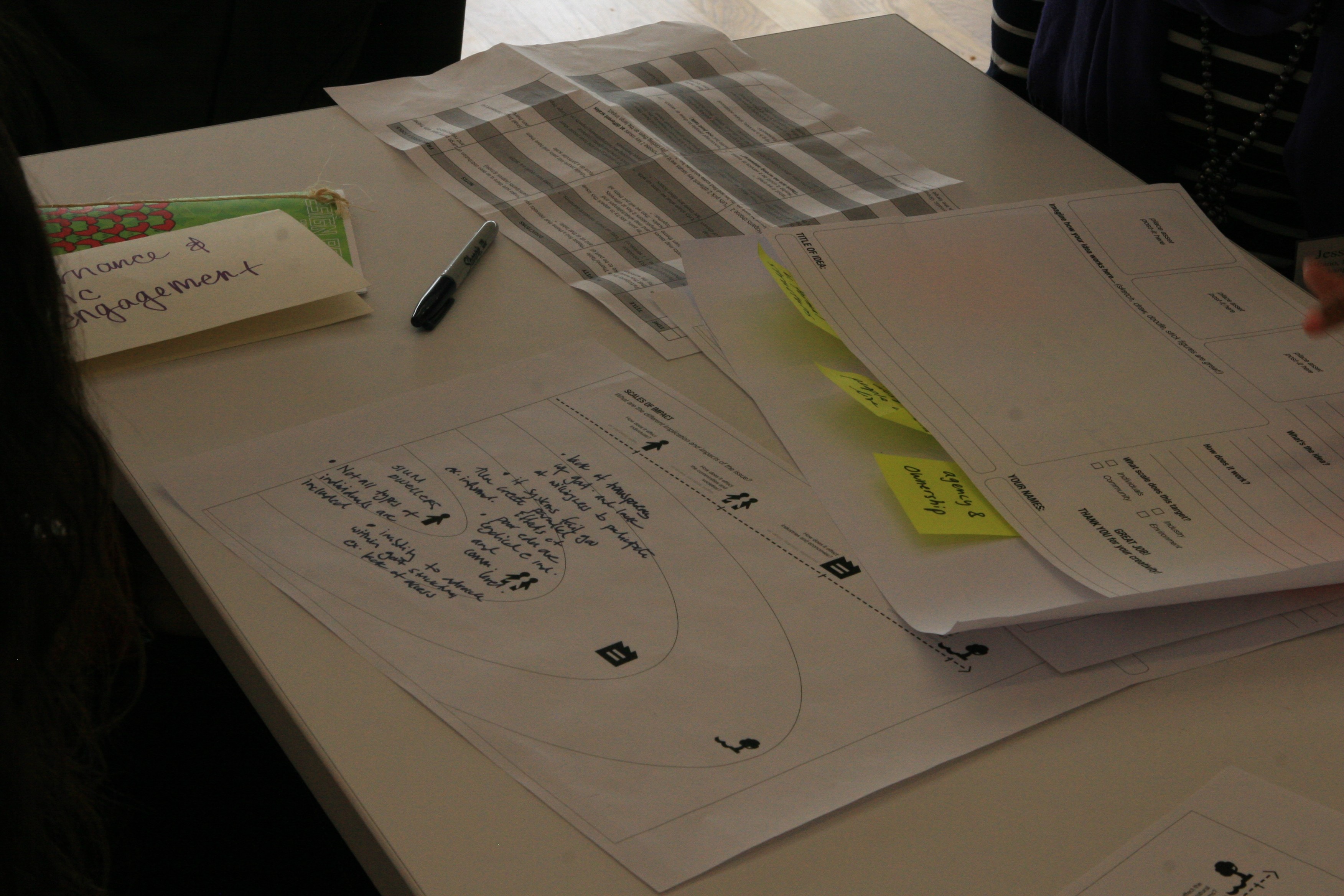
We designed two frameworks to communicate the interdependencies of consumption and production systems across social and ecological scales in a simple, visually accessible format. The workshop was structured as a Randomized Control Workshop (an adaptation of the Randomized Control Trial method), with groups randomly assigned one of two frameworks to assess the impacts of a selected issue—one framework included natural systems, the other did not. To evaluate the prototype’s impact, we mapped the flow of knowledge during the ideation sessions following the workshop.
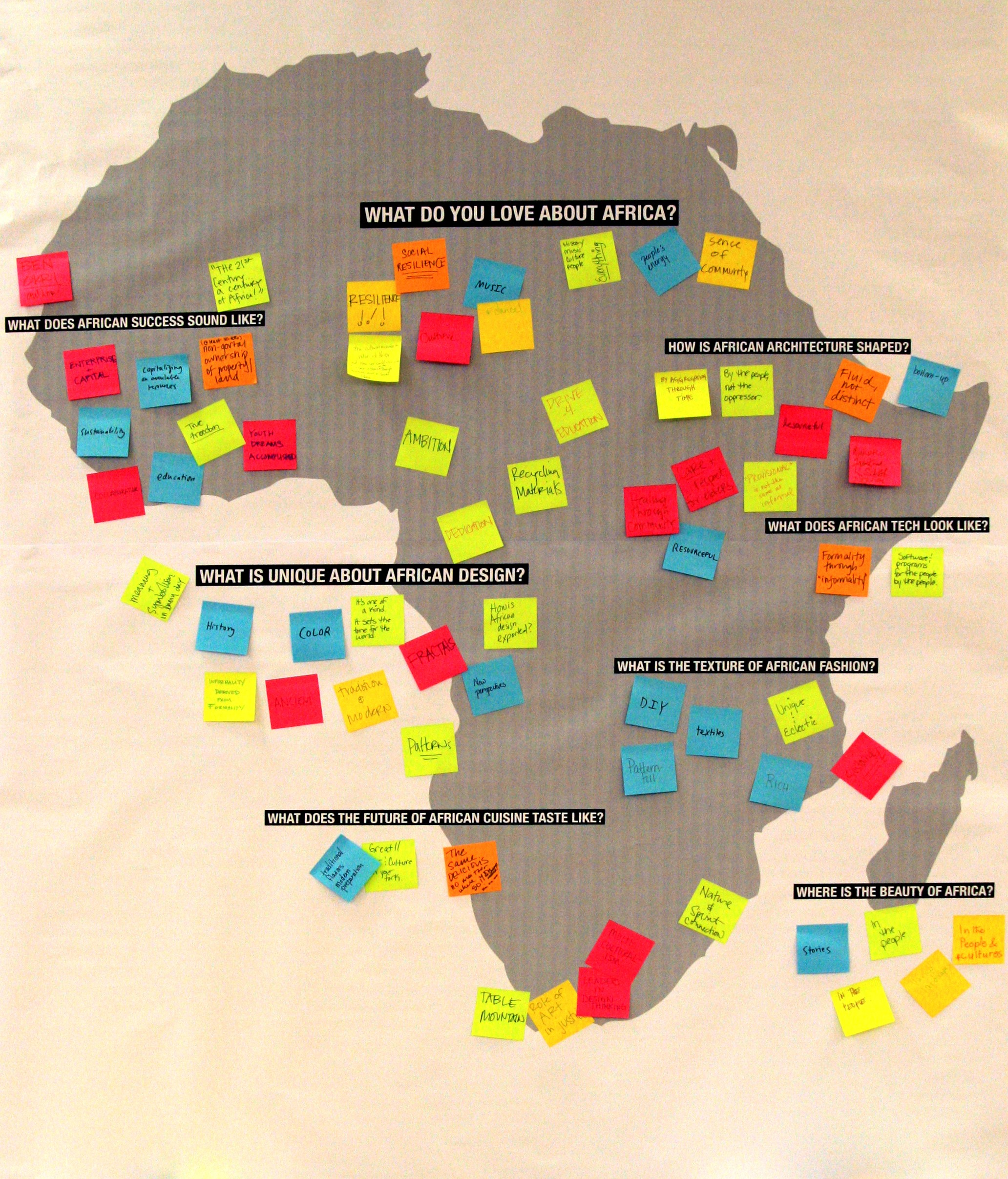
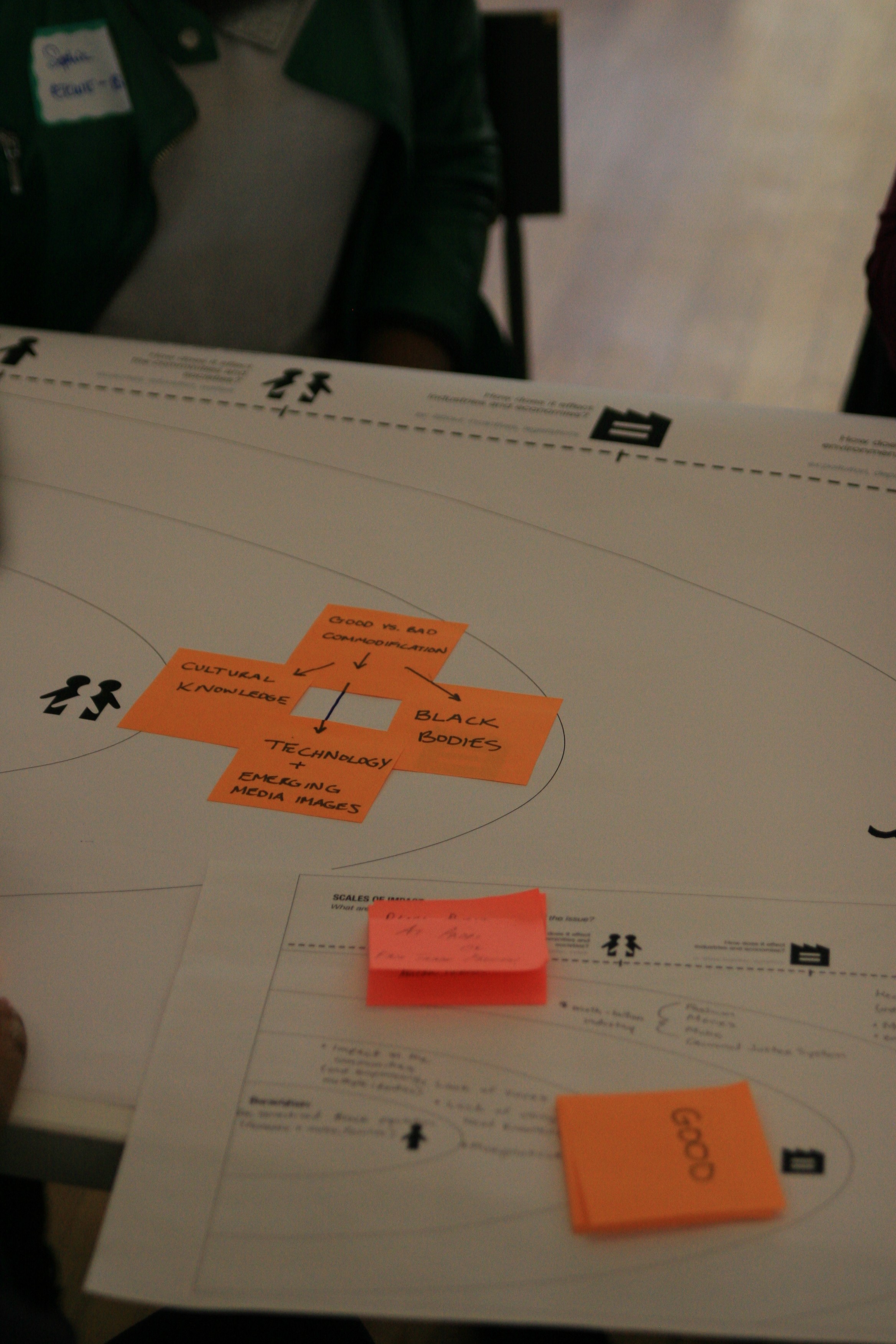
The major insight that we gained from the workshop, despite the mainstream desirability for sustainability, is that environmental impacts are still not considered if not explicitly prompted. We also observed that participants often linked local and cultural heritage to the environment, highlighting an opportunity to connect these values when designing for social impact. In this context, positioning the environment as a starting point can unlock new possibilities and innovations.
INSIGHT
Diverse perspectives on a problem were often perceived and treated as conflicting notions. The framework reframed these perceived conflicts as interdependent issues, enabling more constructive and effective collaboration across different perspectives.
key observation
Collaborator
Team
Sophie Lan Hou
Location
New York, NY - 2013