How might we make neuroscience cool for kids?
CHALLANGE AND OPPORTURNITY
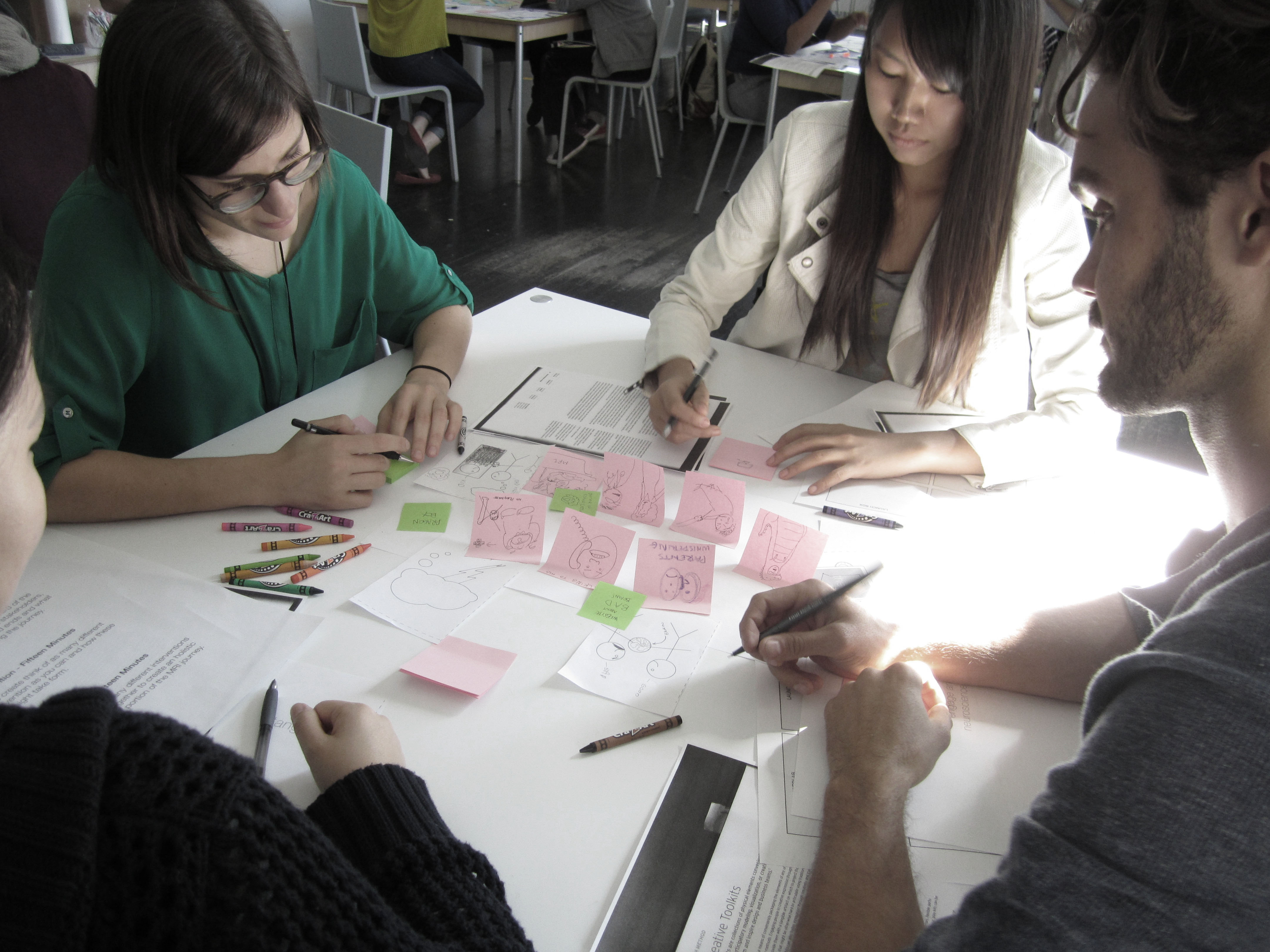
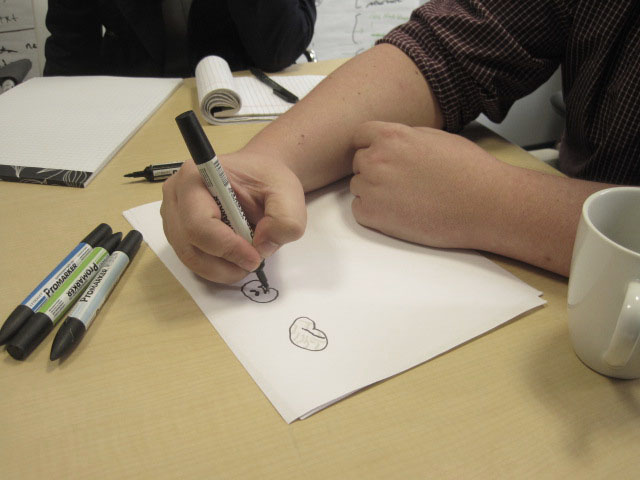
The project began with design-led research and ideation workshops involving both designers and neuroscientists. This collaborative process revealed that while neuroscience possesses the same "wonder factor" as space exploration, it lacks accessible touchpoints for public interaction.
Based on these insights, I co-developed a six-year strategic roadmap designed to scale in complexity:
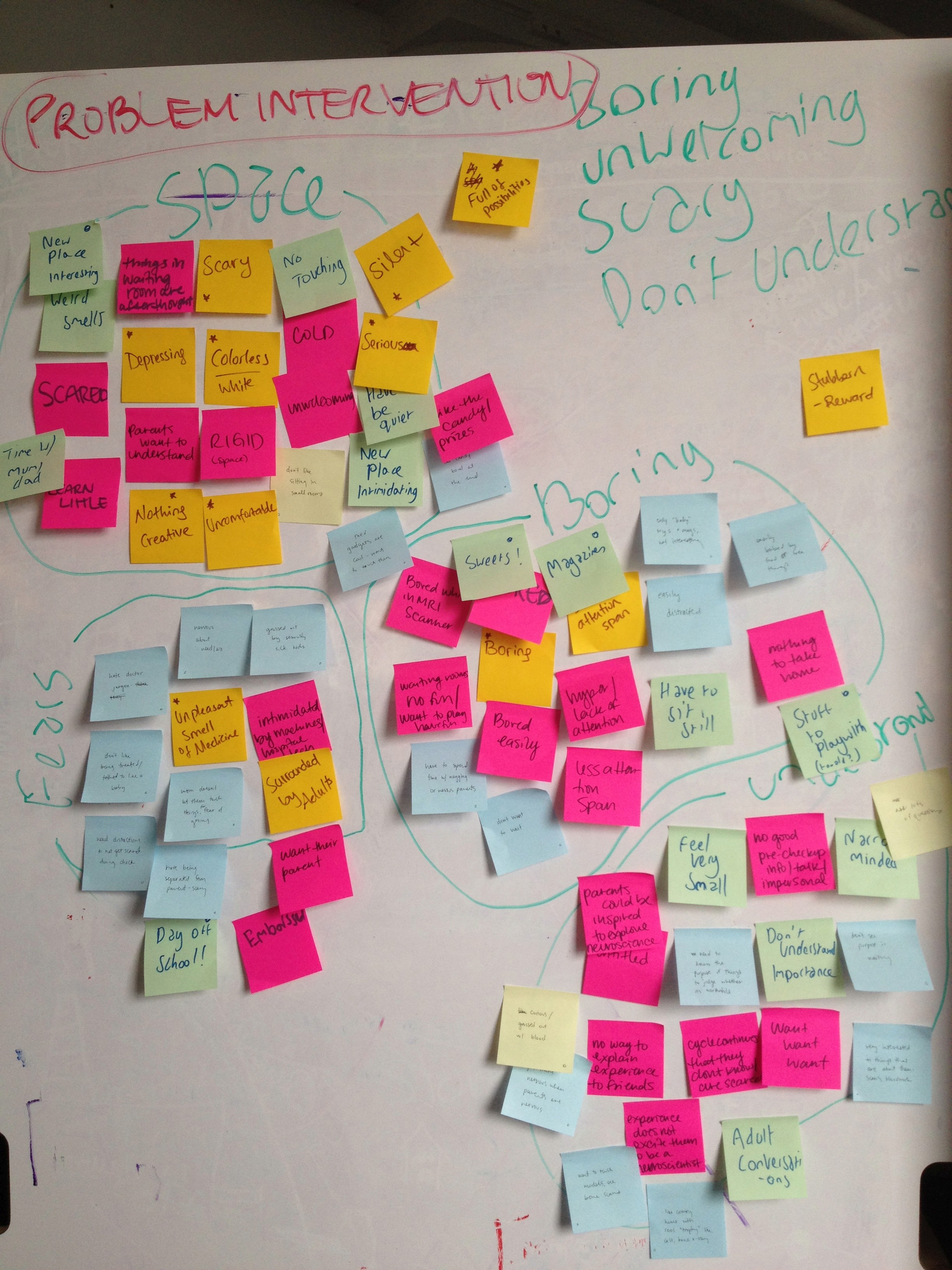
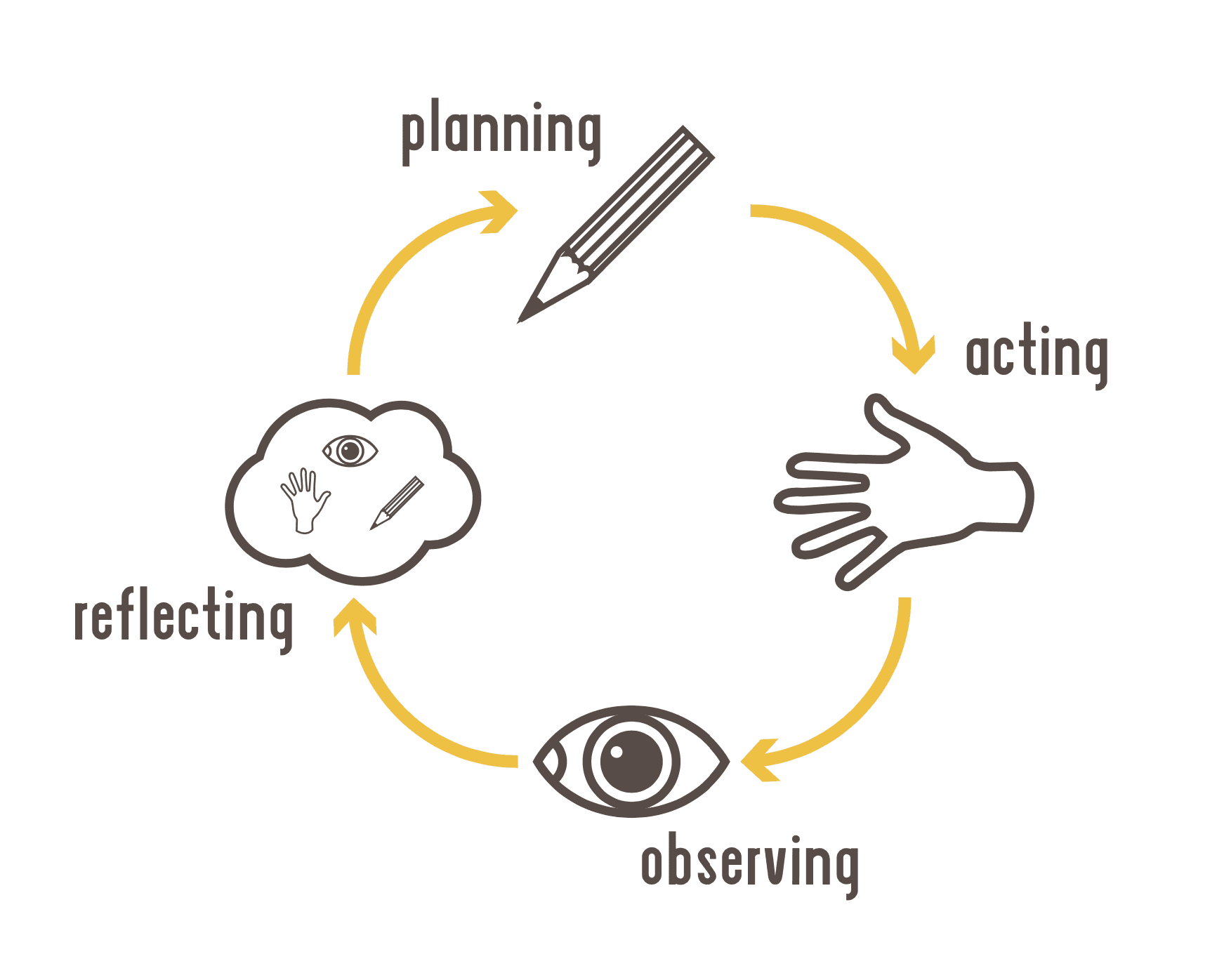
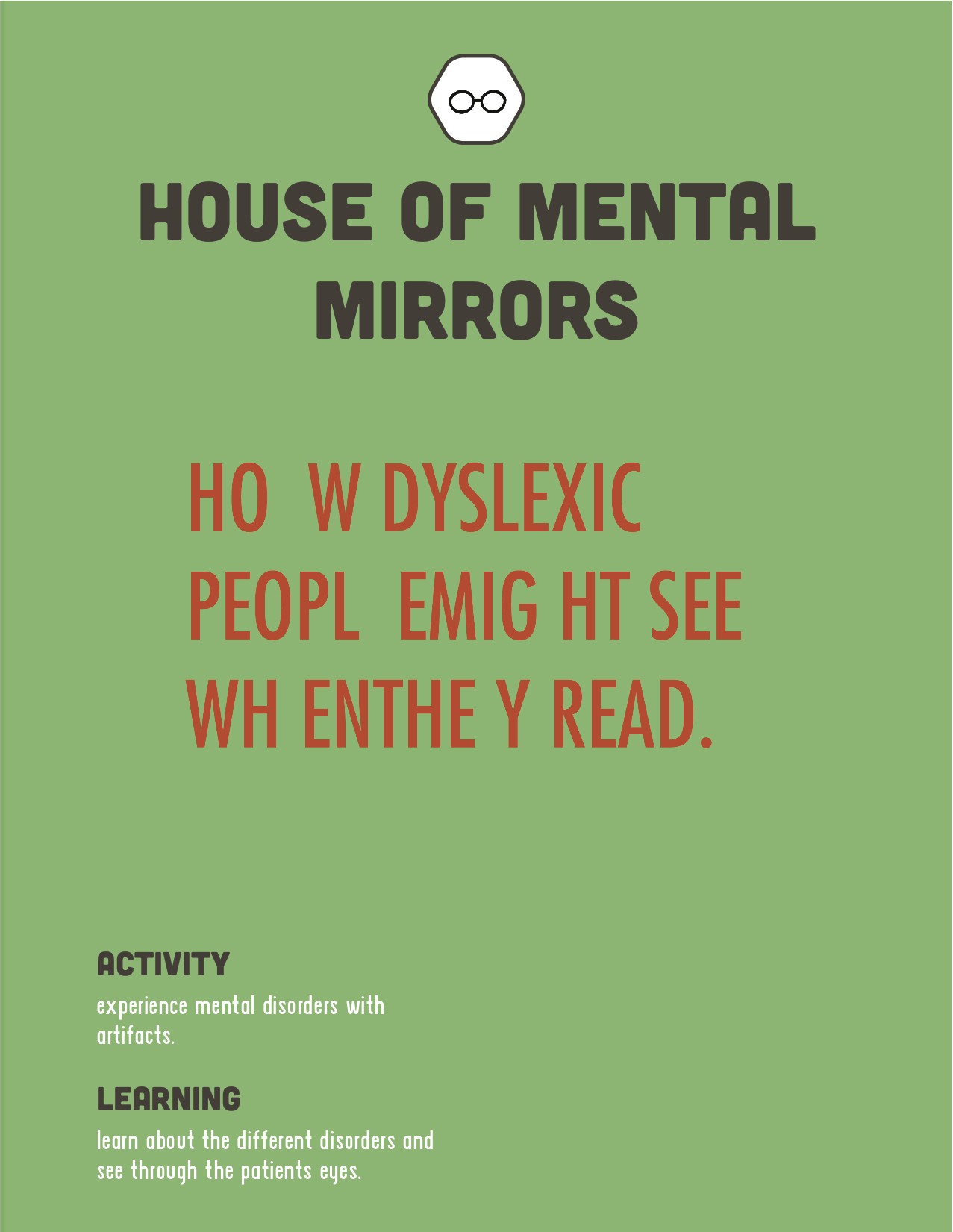
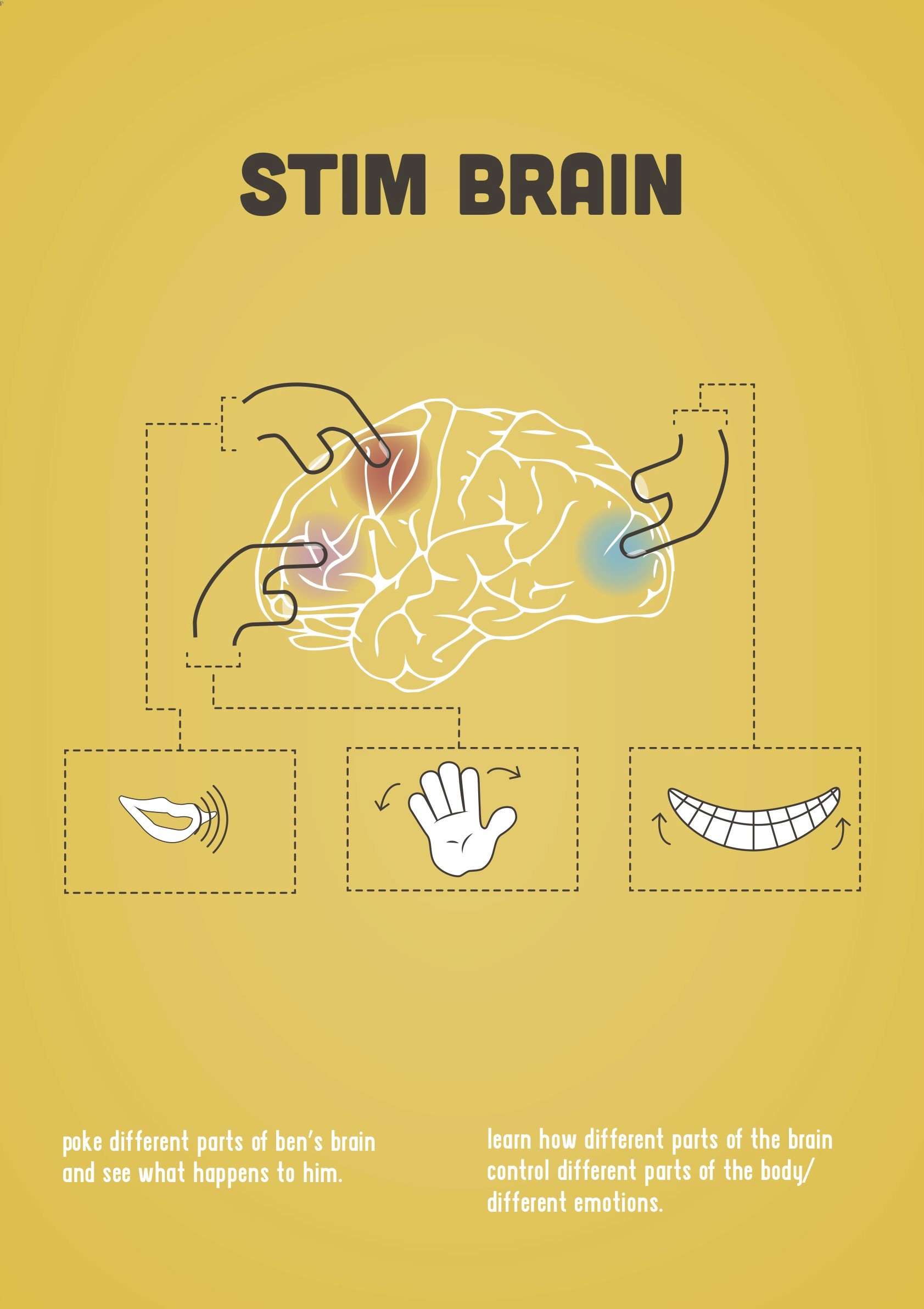
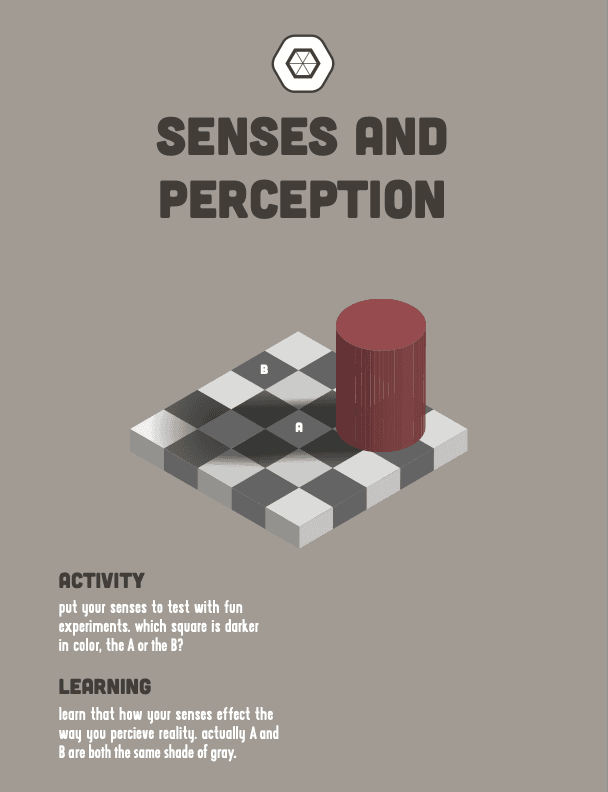
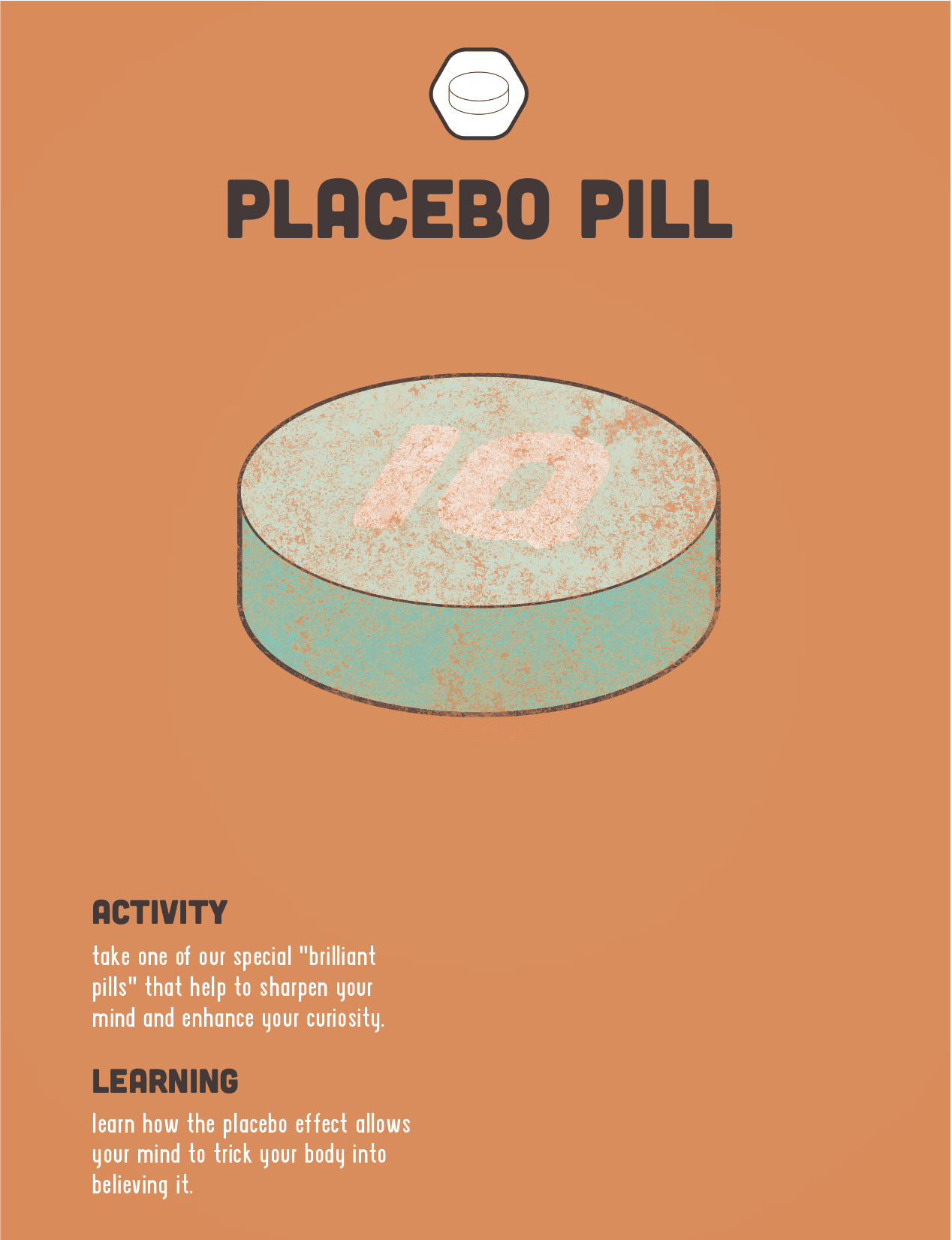
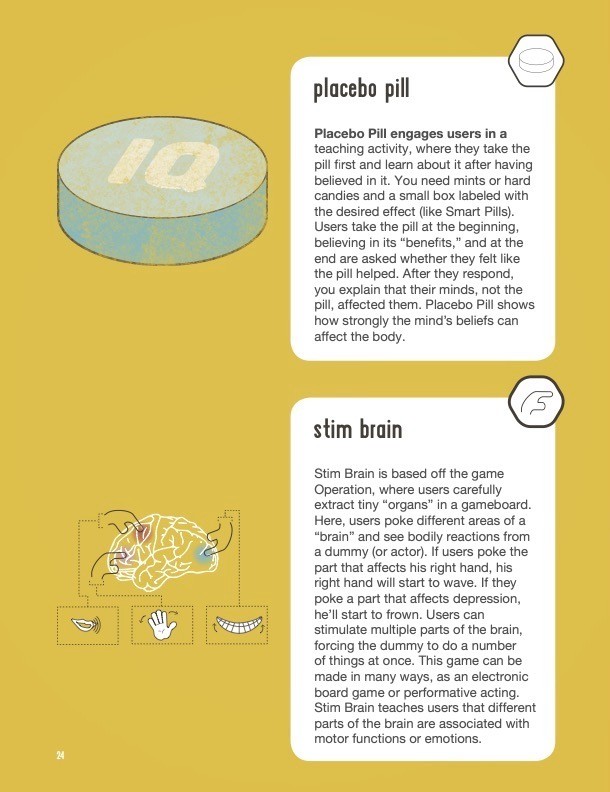
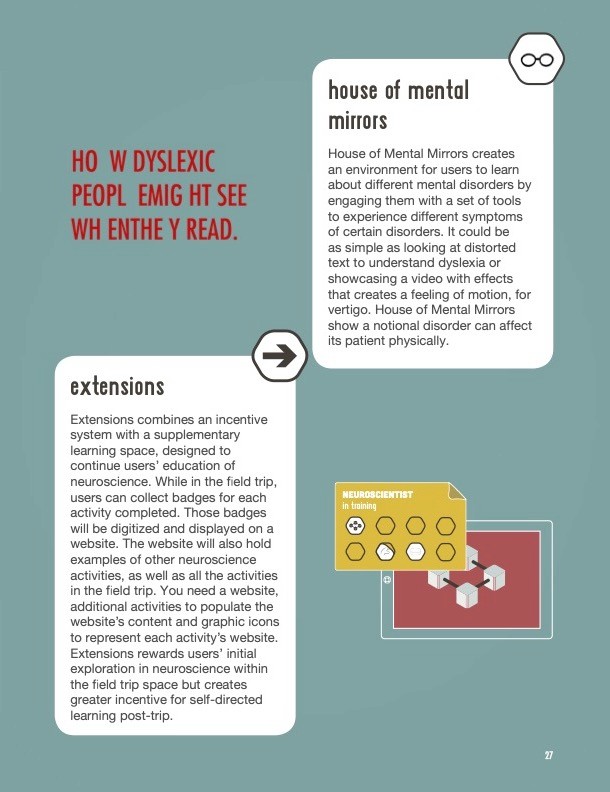
Phase 1: Entry Points. Interactive school programs designed to translate complex nervous system functions into relatable, experiential activities.
Phase 2: Expansion. Scaling youth programs into immersive pop-up exhibitions and adult learning platforms to broaden the demographic reach.
Phase 3: Systemic Integration. The final stage integrates these public touchpoints directly into the Child Mind Institute’s research process, turning the "show" into a participatory data-collection and knowledge-sharing ecosystems.
OUTCOME
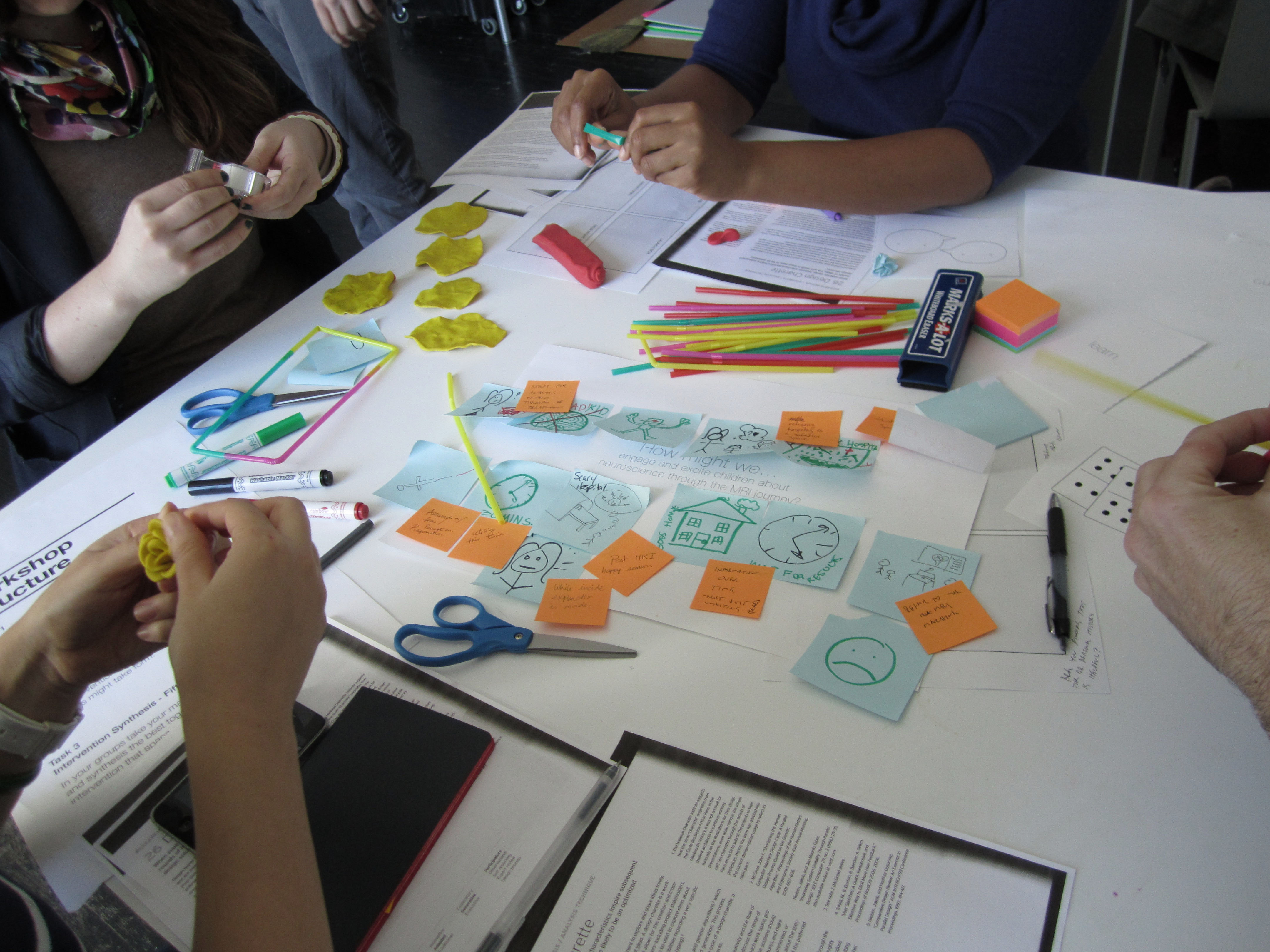
The project established a framework for "Citizen Science," where public engagement generates both funding and future generations of scientists, while simultaneously demystifying the brain through design-led experience.
Insight that opened up the design space
Collaborator
Child Mind Institute
Team
James Frankis, Lauren Wong, Taylor Kuhn, Melike Kavran
Location
New York, NY - 2012