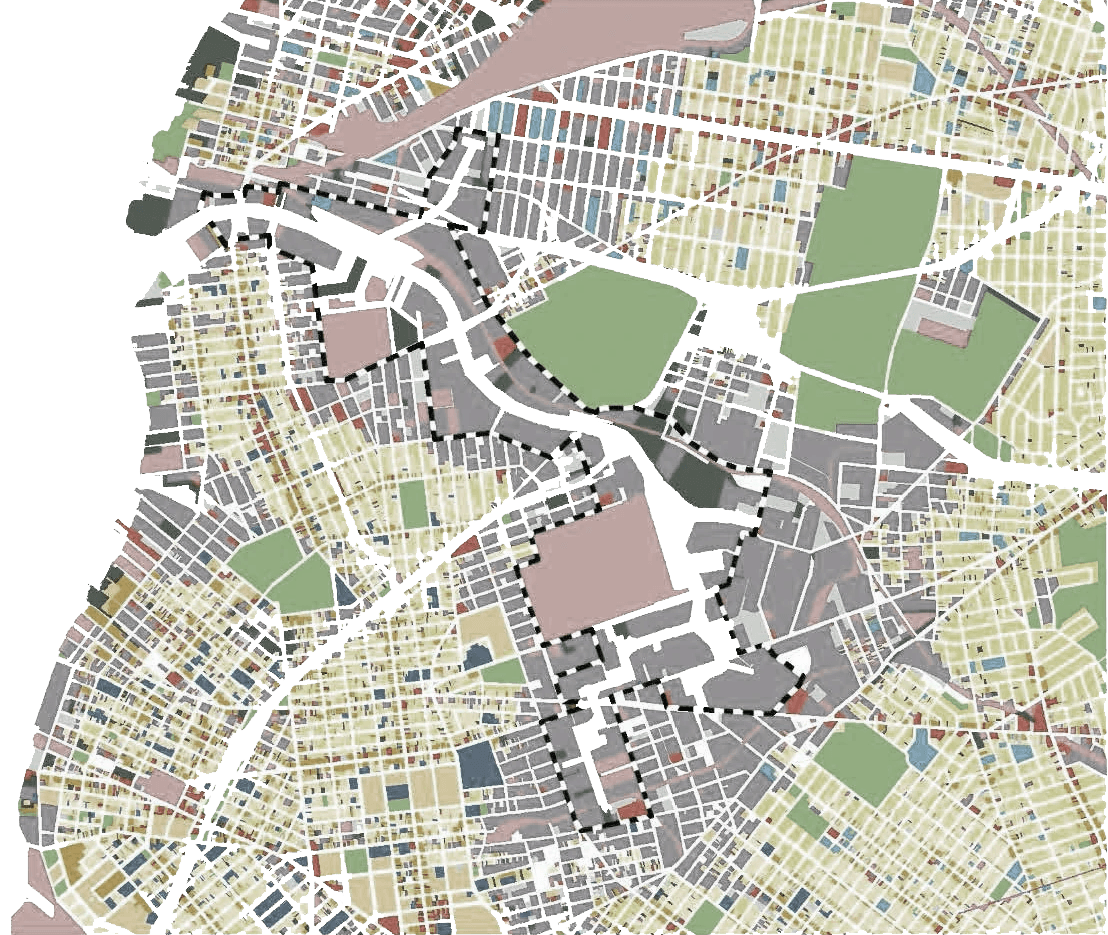
How might we reframe ecological literacy as a core competency?
Our current social, ecological, and economic crises are deeply rooted and interconnected within human perceptions of self and environment. The project set out to empower people with an understanding of themselves as living organisms within an interdependent ecosystem.
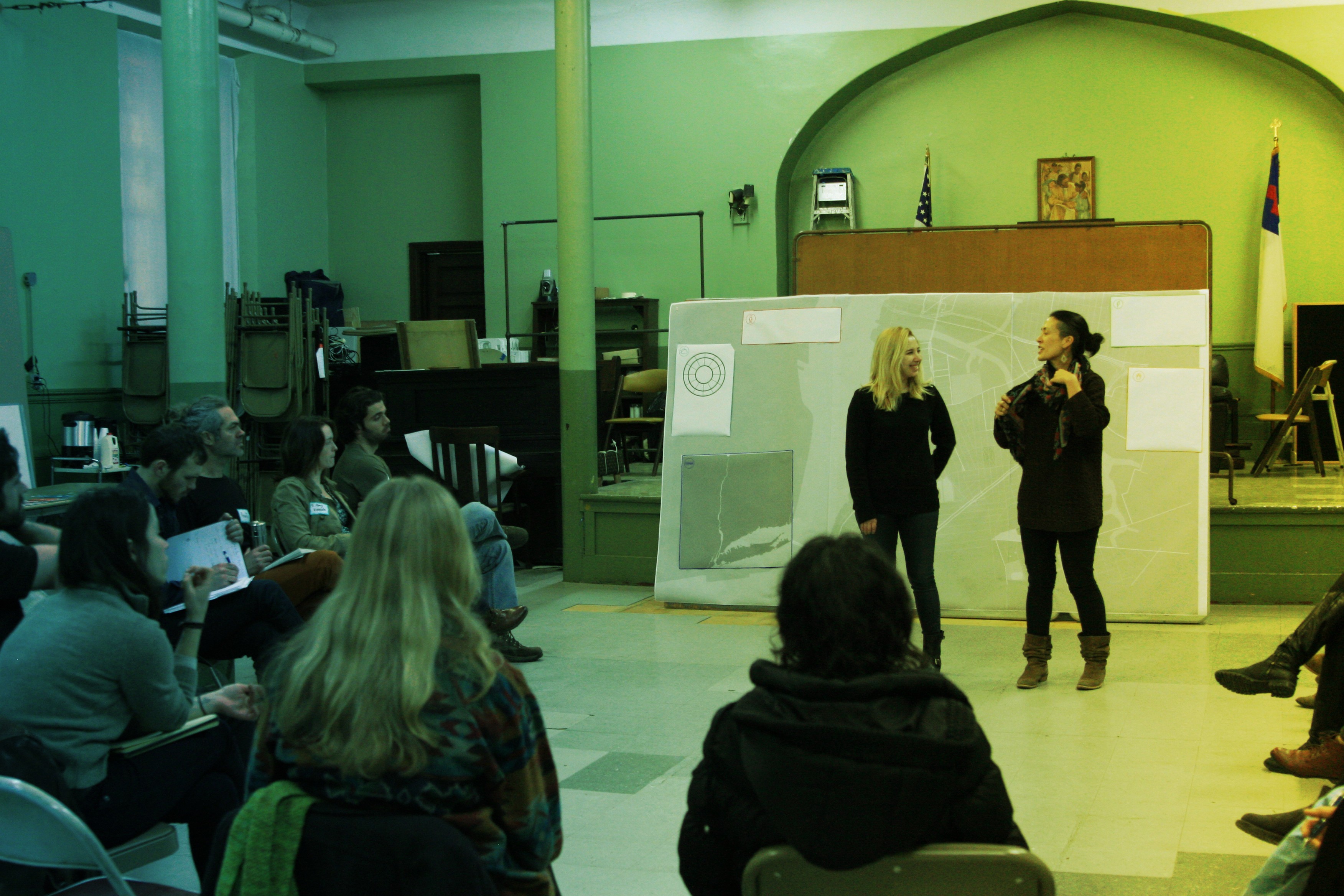
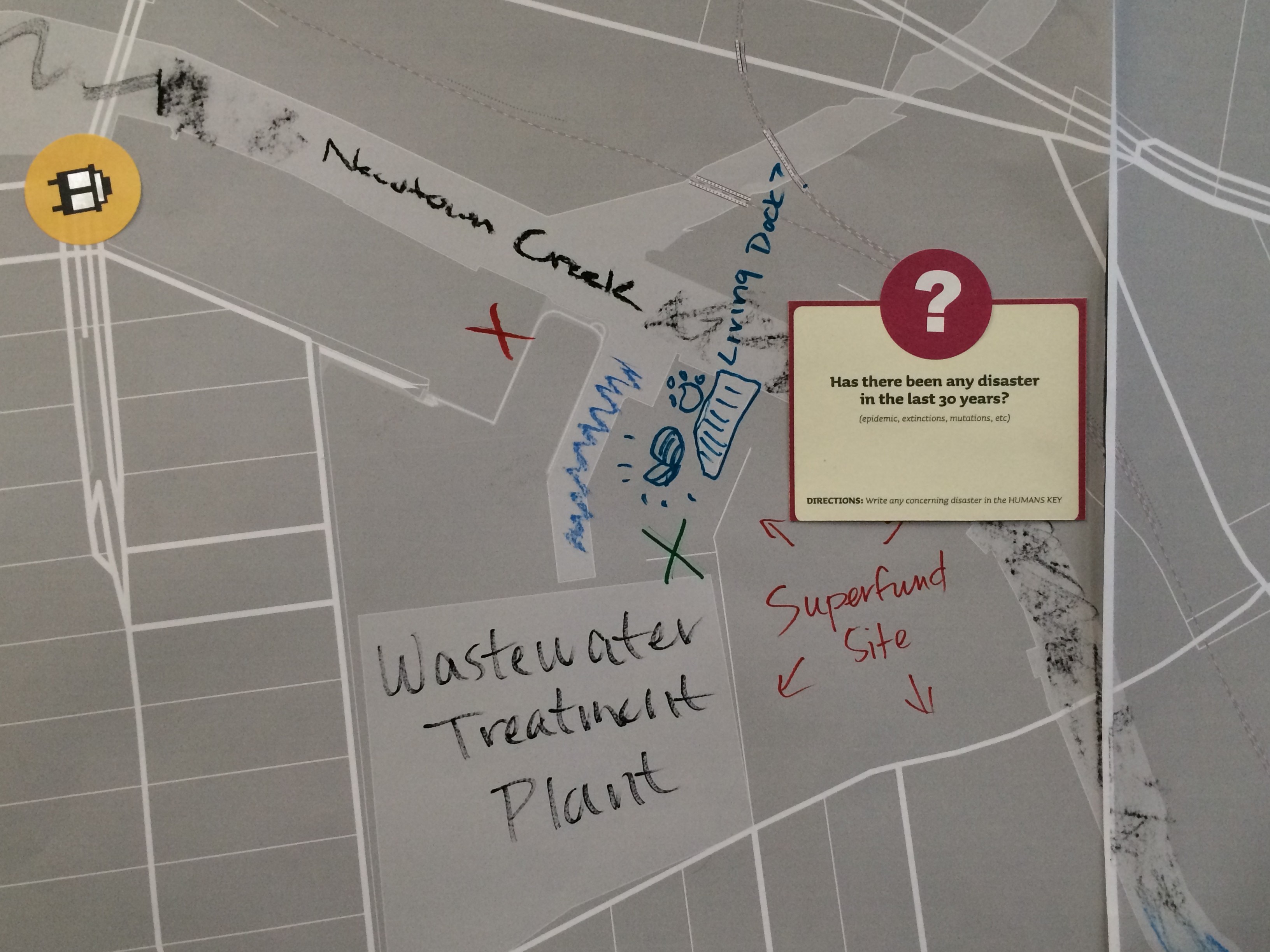
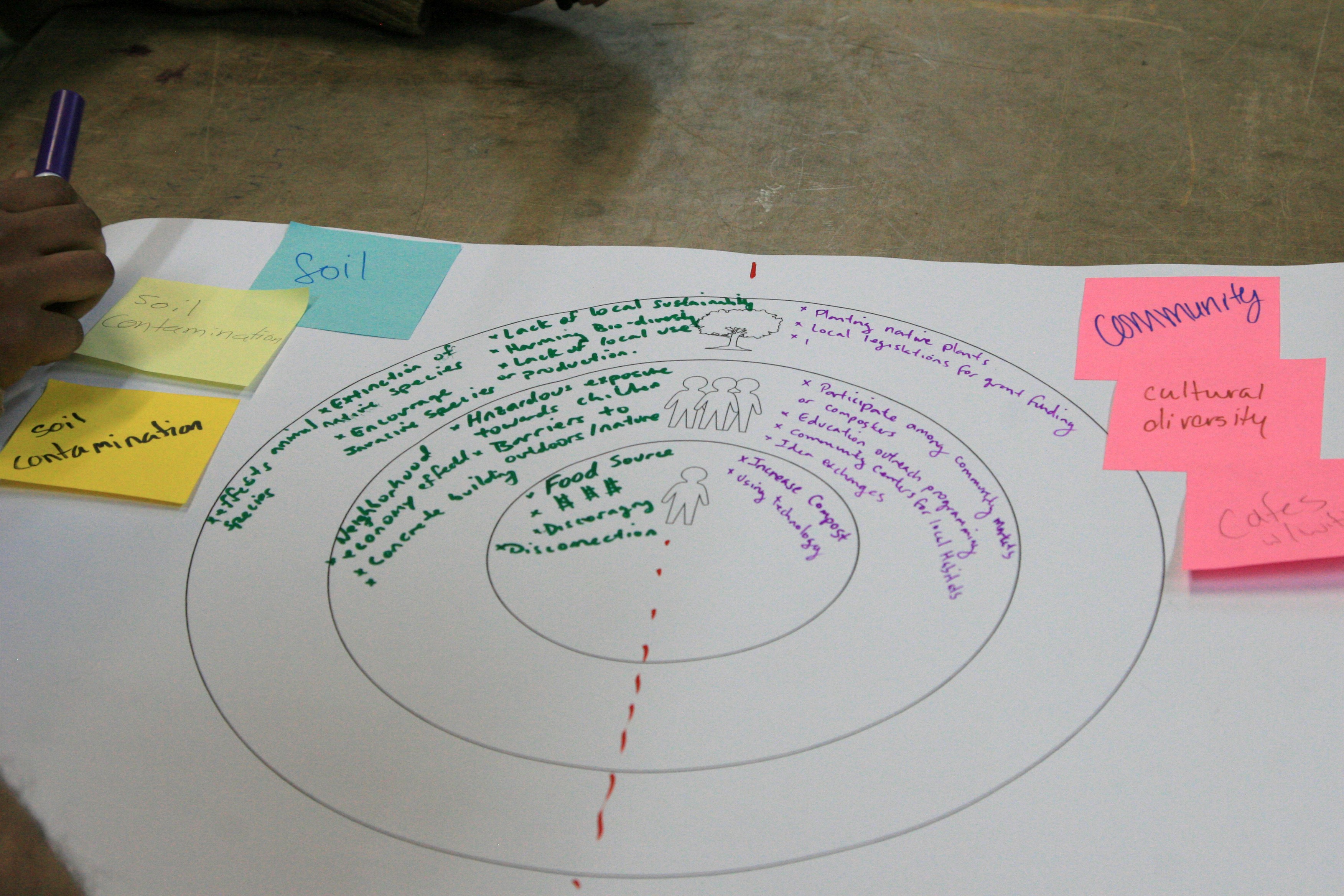
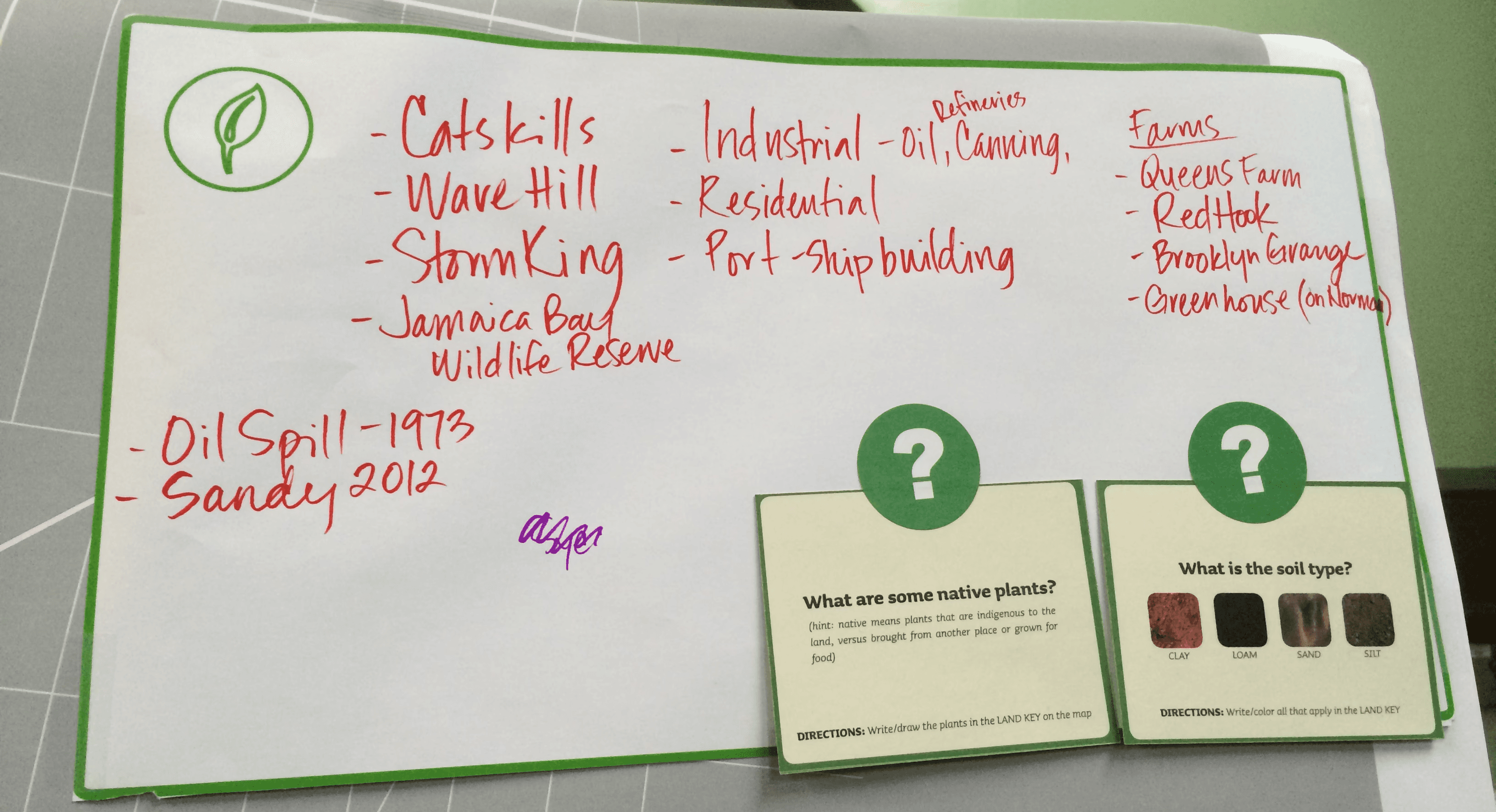
We designed a mapping activity as an experiential, collaborative process that builds capacity and shifts perceptions of place and identity within a given area. The prototype was developed in partnership with grassroots community project Cella in Greenpoint, Brooklyn. The work involved diverse stakeholders including residents, students, gardeners, sociologists, ecologists, herbalists, and designers who mapped the ecological, social, cultural, and economic systems in their neighborhood. Using reframed narratives and environmental cues, participants explored the causes and consequences of different elements within the systems they inhabit, enabling them to perceive their home and place of living through a lens of interconnectedness. By engaging social, ecological and economic perspectives, the process acted as a form of place-making, fostering a deeper, shared sense of identity and belonging rooted in the bioregion.
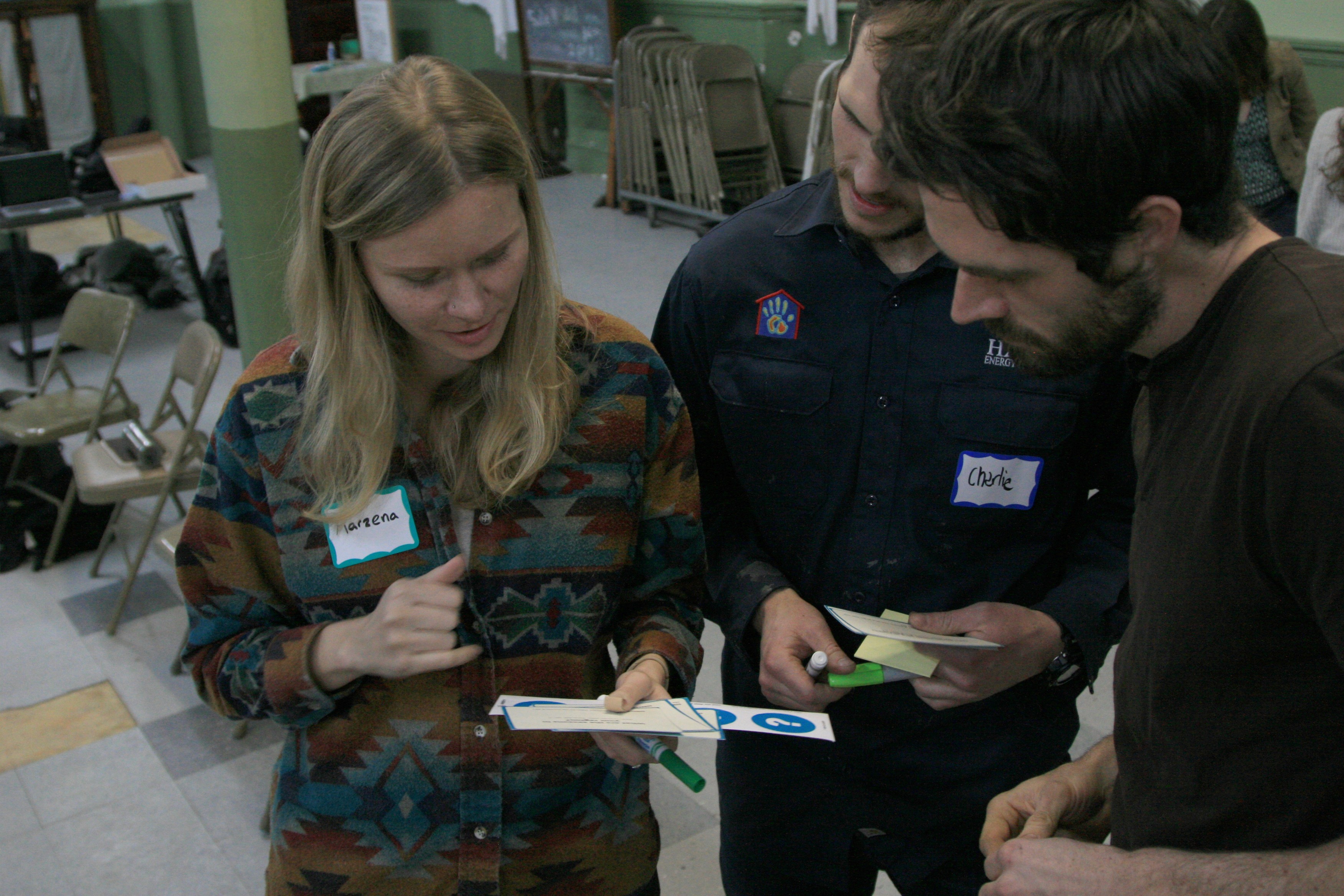
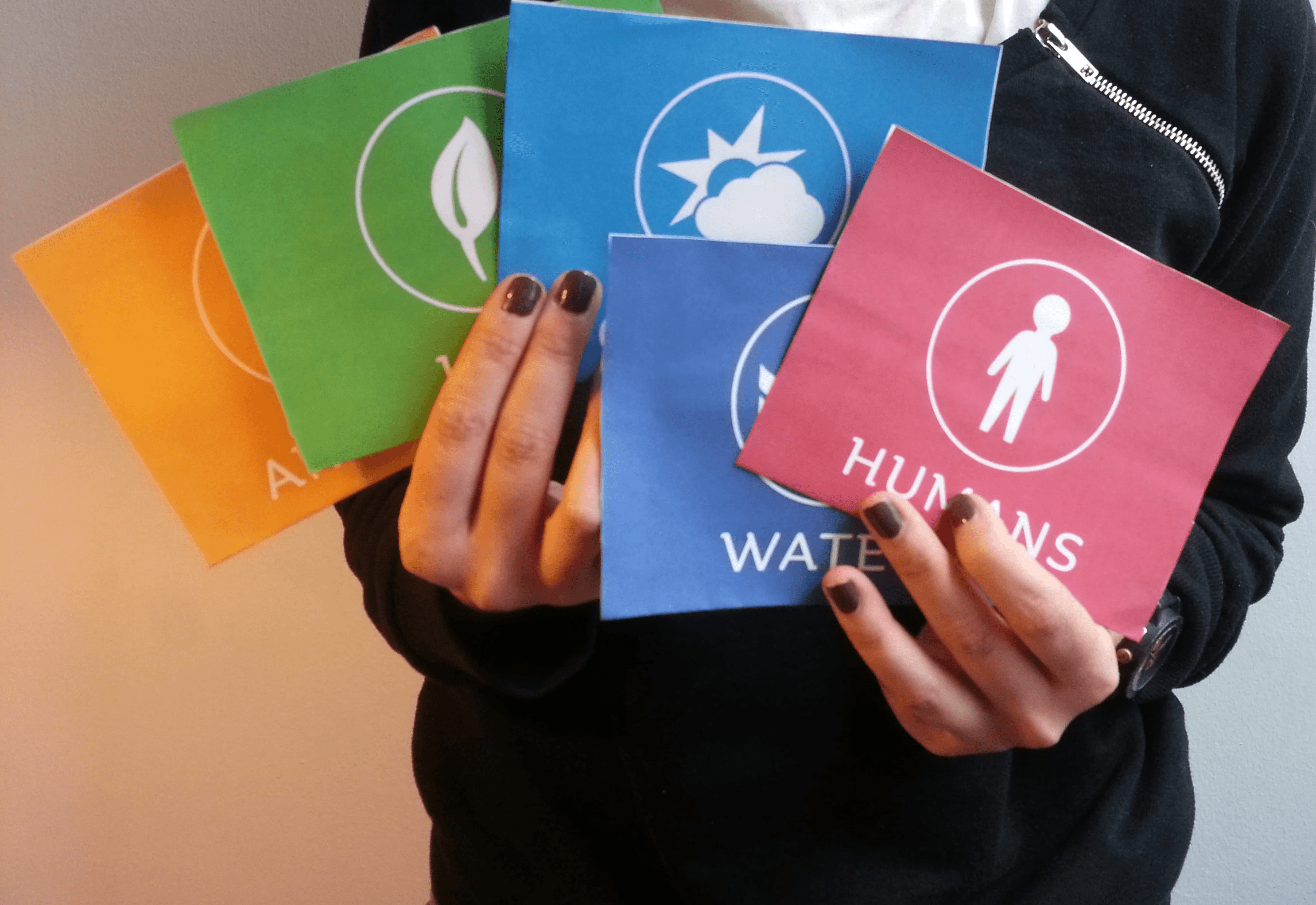
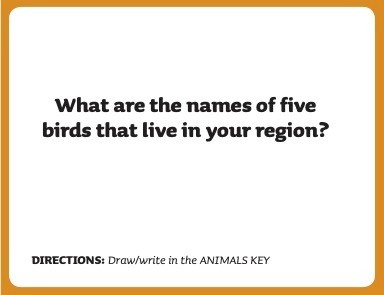
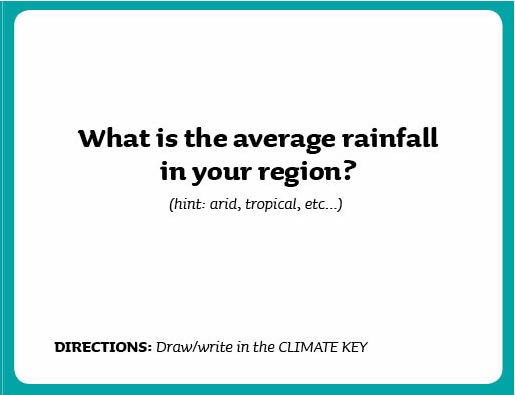
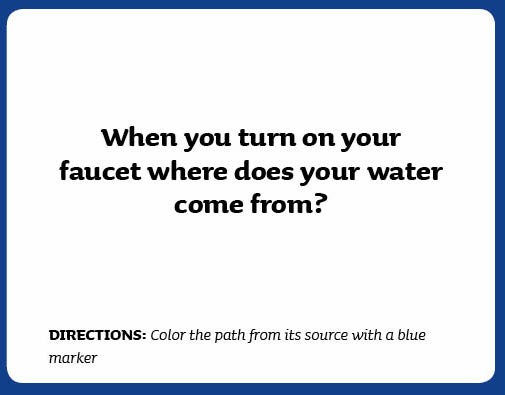
The Bioregional Mapping revealed a silent gap between our sense of self in daily life and the natural environment that sustains us. It showed what is missing in knowledge and understanding despite its everyday implication and influence, highlighting what is often overlooked. The physical map materialized the experience and provided evidence of our collective lack of recognition. Once pronounced and visualized, this revelation created a vacuum that highlighted the gap. Participants experienced an expanded sense of agency in shaping their environment and community. By enabling collaboration, creativity, and provocation, the mapping process bridged abstract ecological literacy and actionable local awareness—bringing the full potential of our intervention into expression.
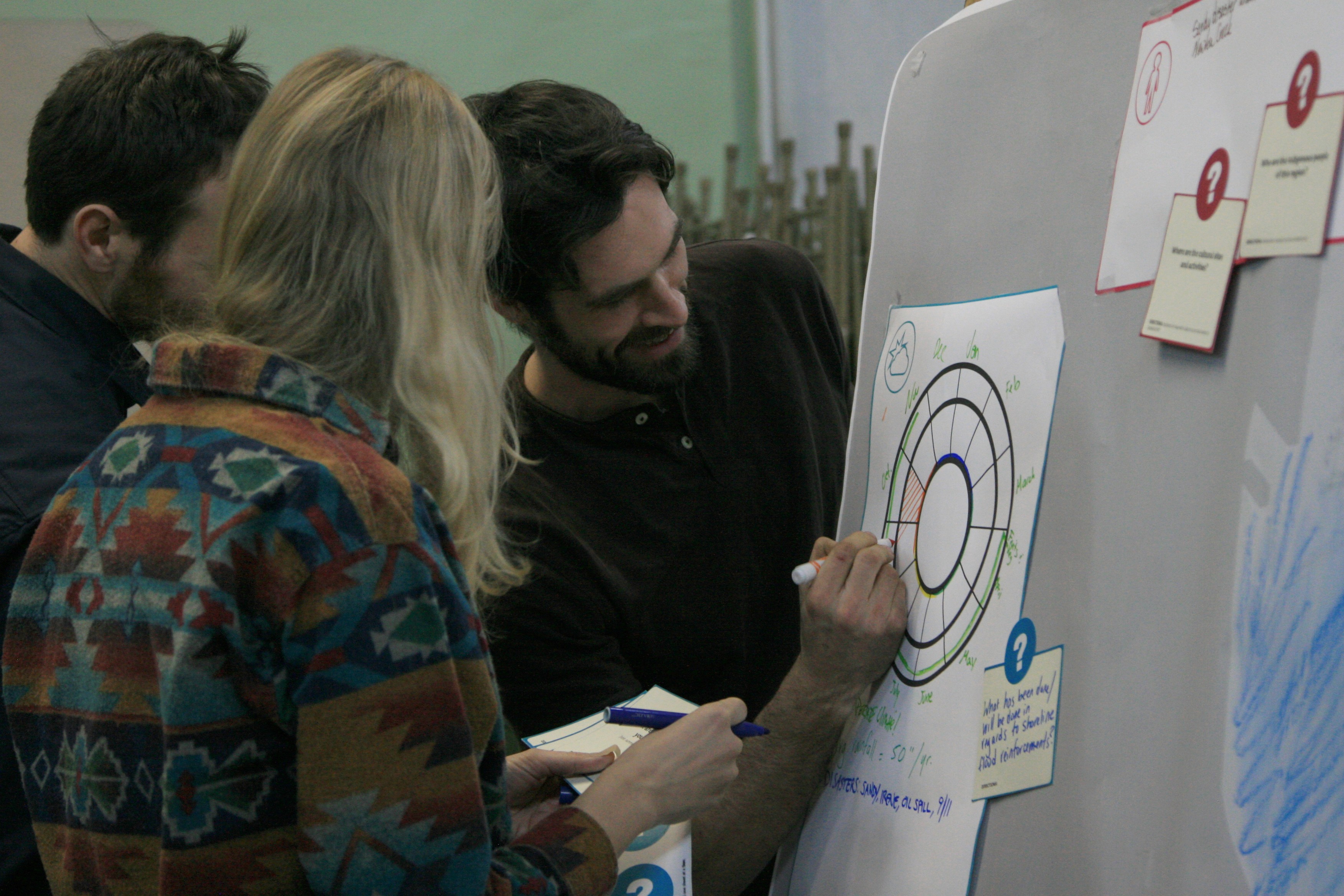
Bioregional Mapping was designed as a framing tool, used at the beginning of a project, to ground it in ecological literacy and strengthen its capacity for sustainable impact. It can be applied across contexts such as community engagement, education, participatory planning, place-making, conservation initiatives, and urban or regional development where understanding the interconnection between social and ecological systems is key to shaping long-term outcomes. As an asset mapping method, it can help businesses identify nearby resources and create linkages with their local community.
The provocation of not knowing turned out to be as important as the knowledge revealed.
workshop insight
Collaborator
Team
Sophie Lan Hou
Location
New York, NY - 2014