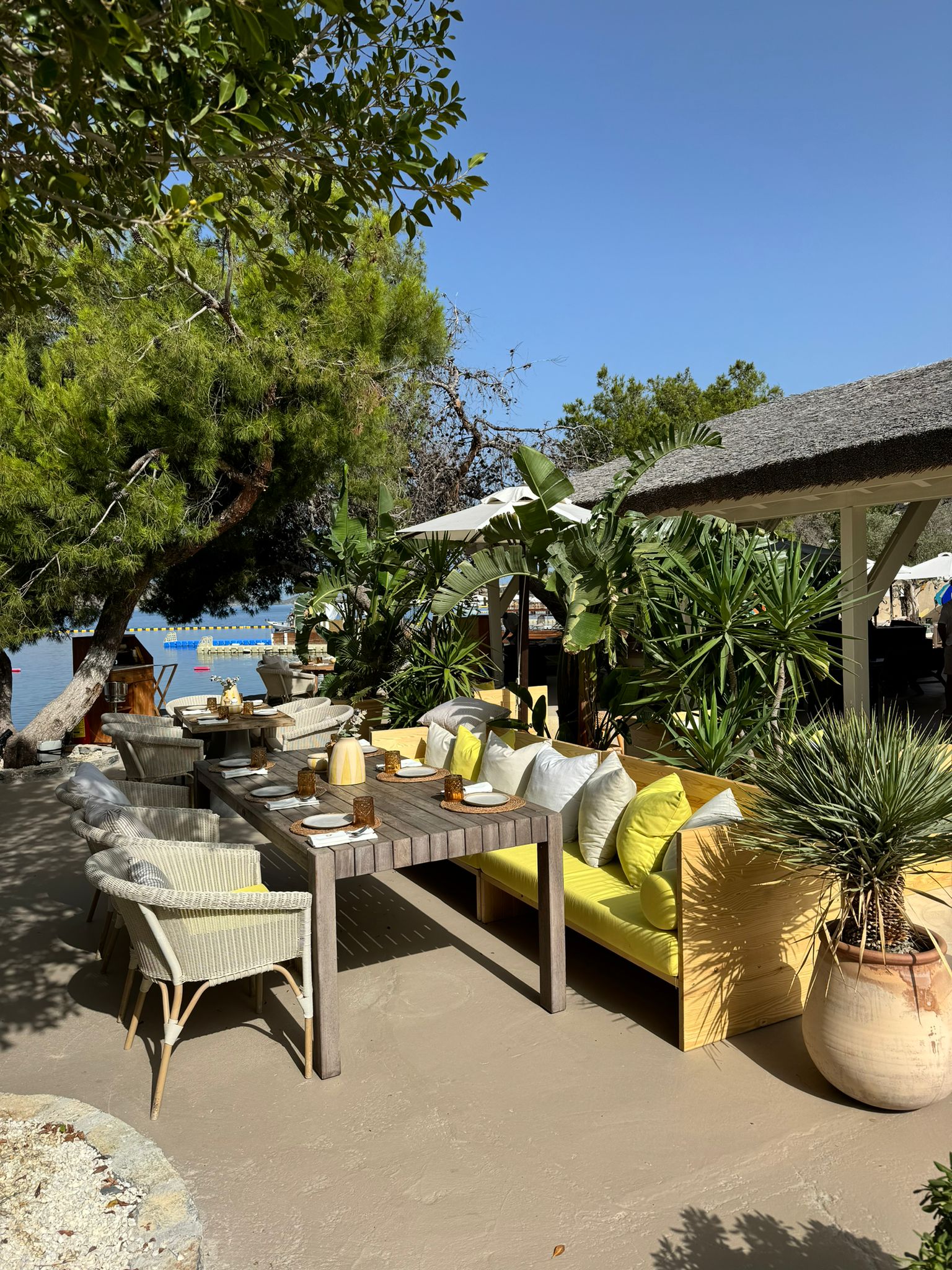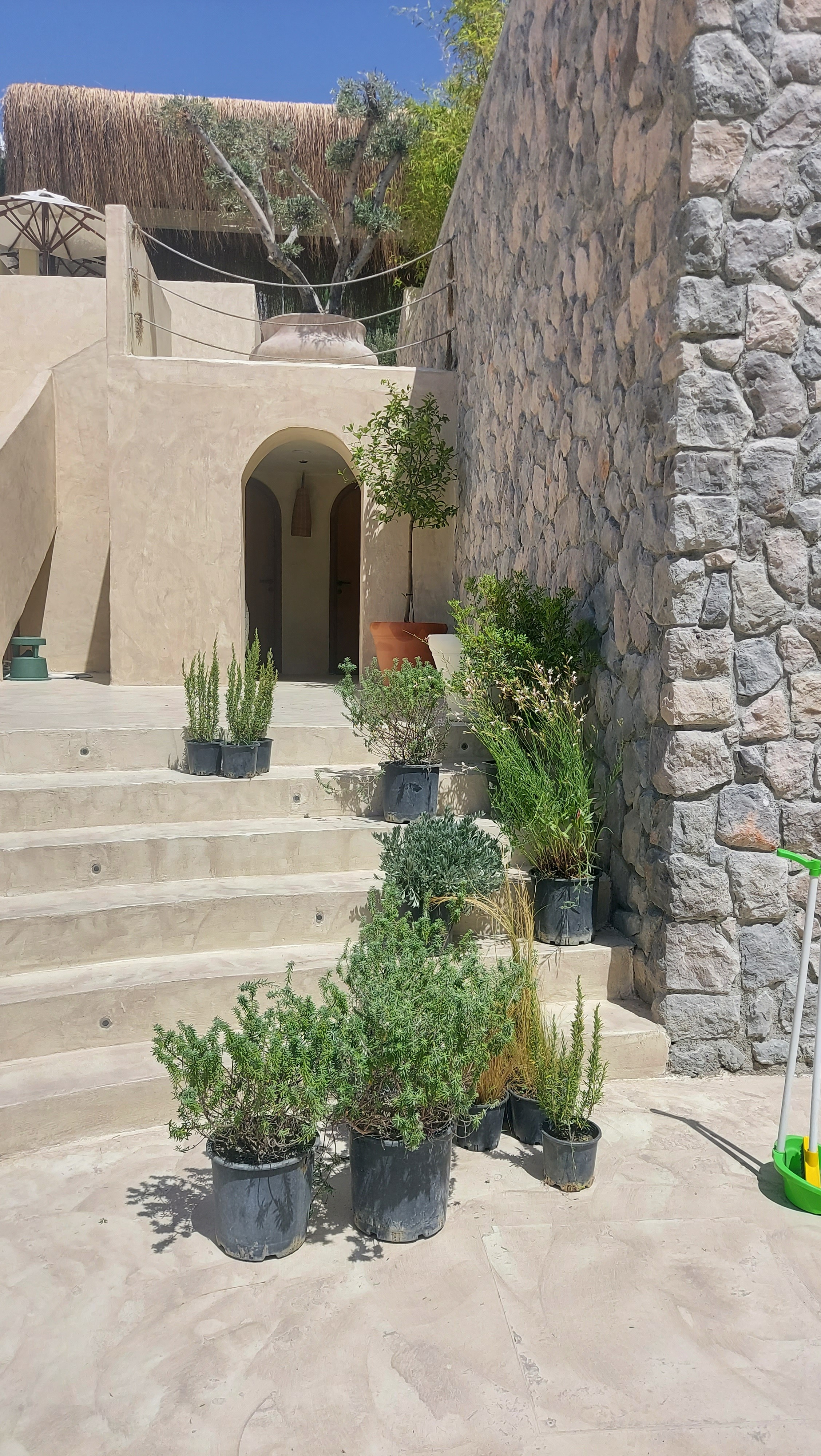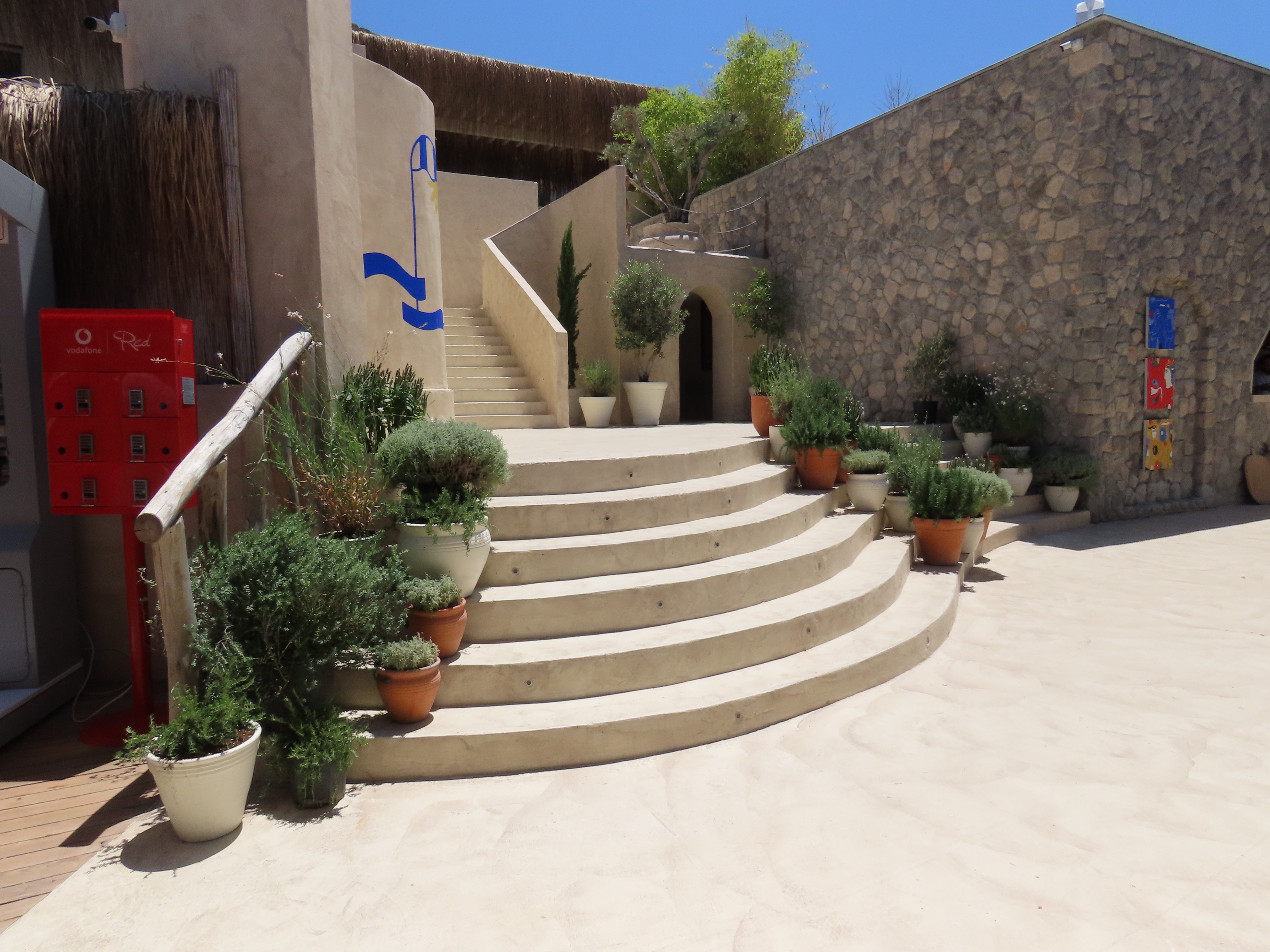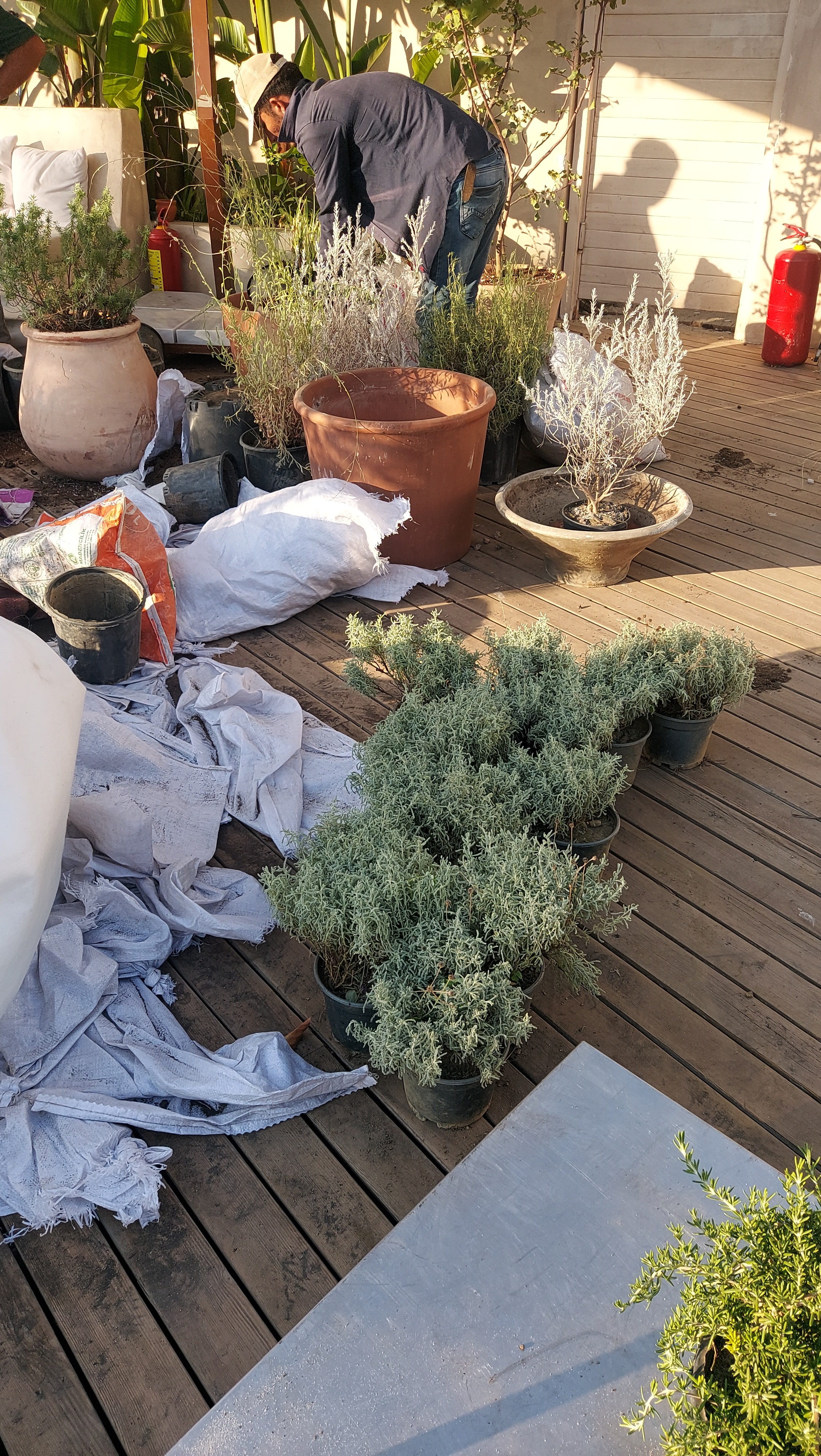
As part of Momo’s shift toward a more environmentally conscious approach, the planting scheme in Momo Bodrum was redesigned with sustainability in mind. The project focuses on preserving the coastal identity while introducing a functional social environment.
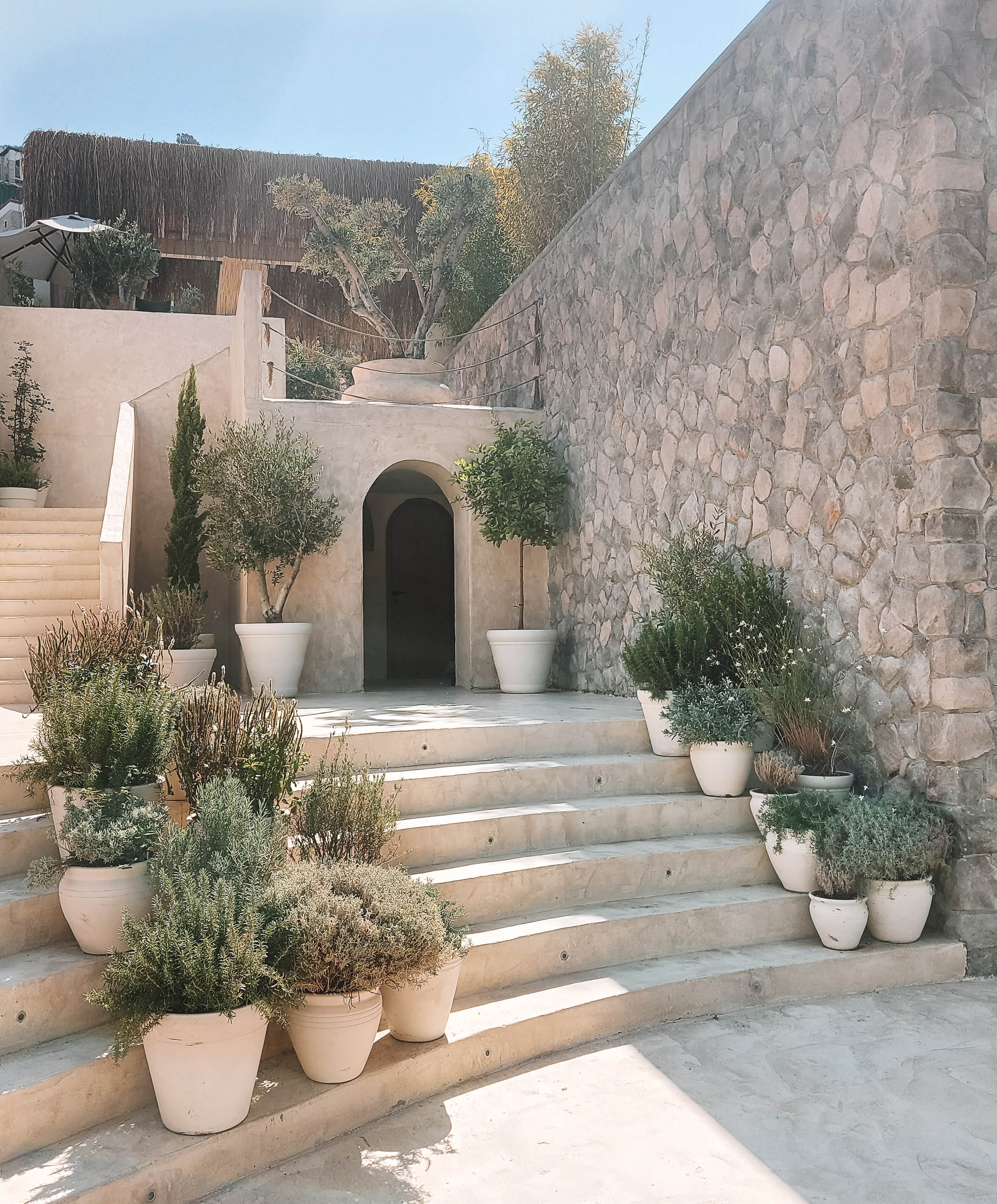
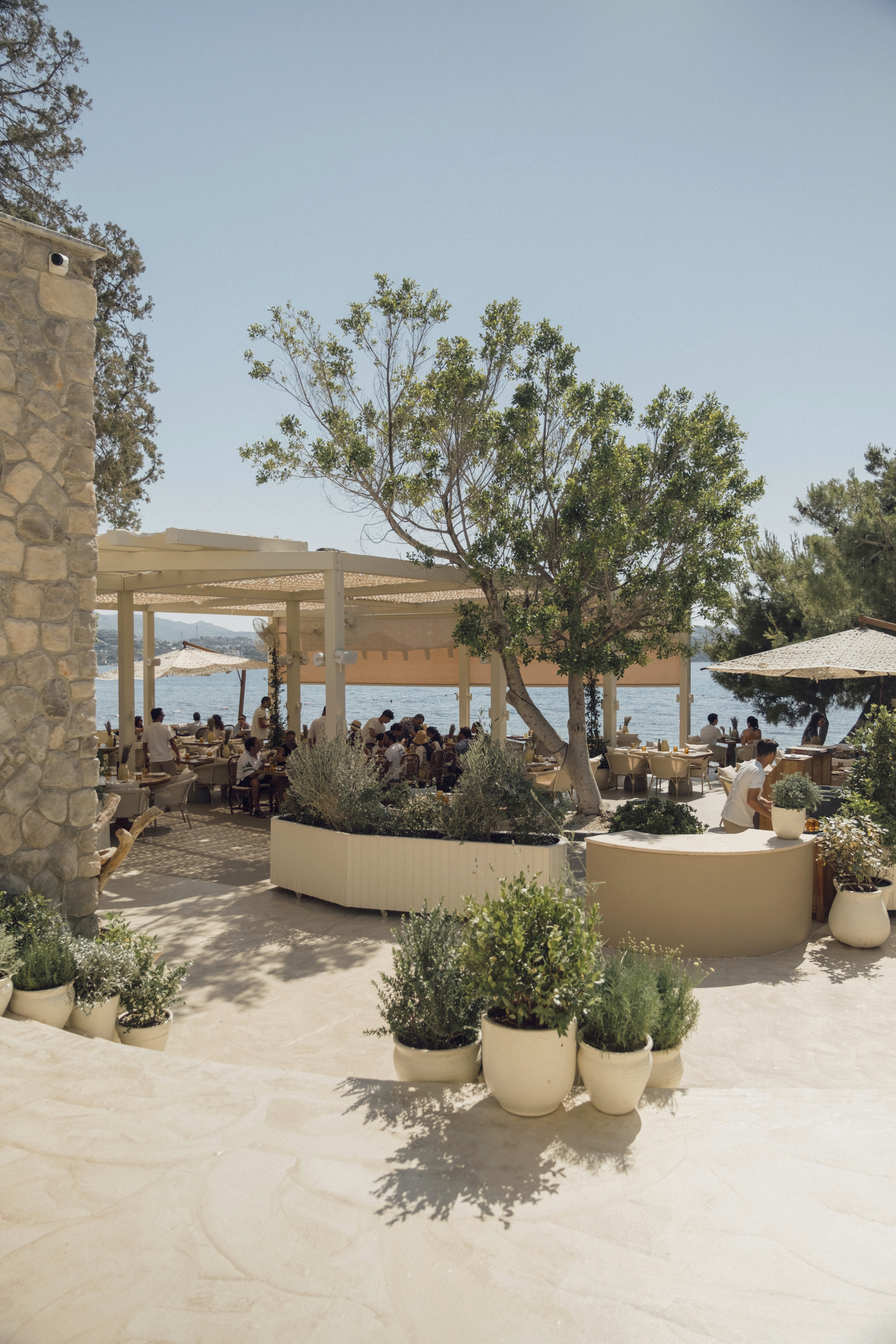
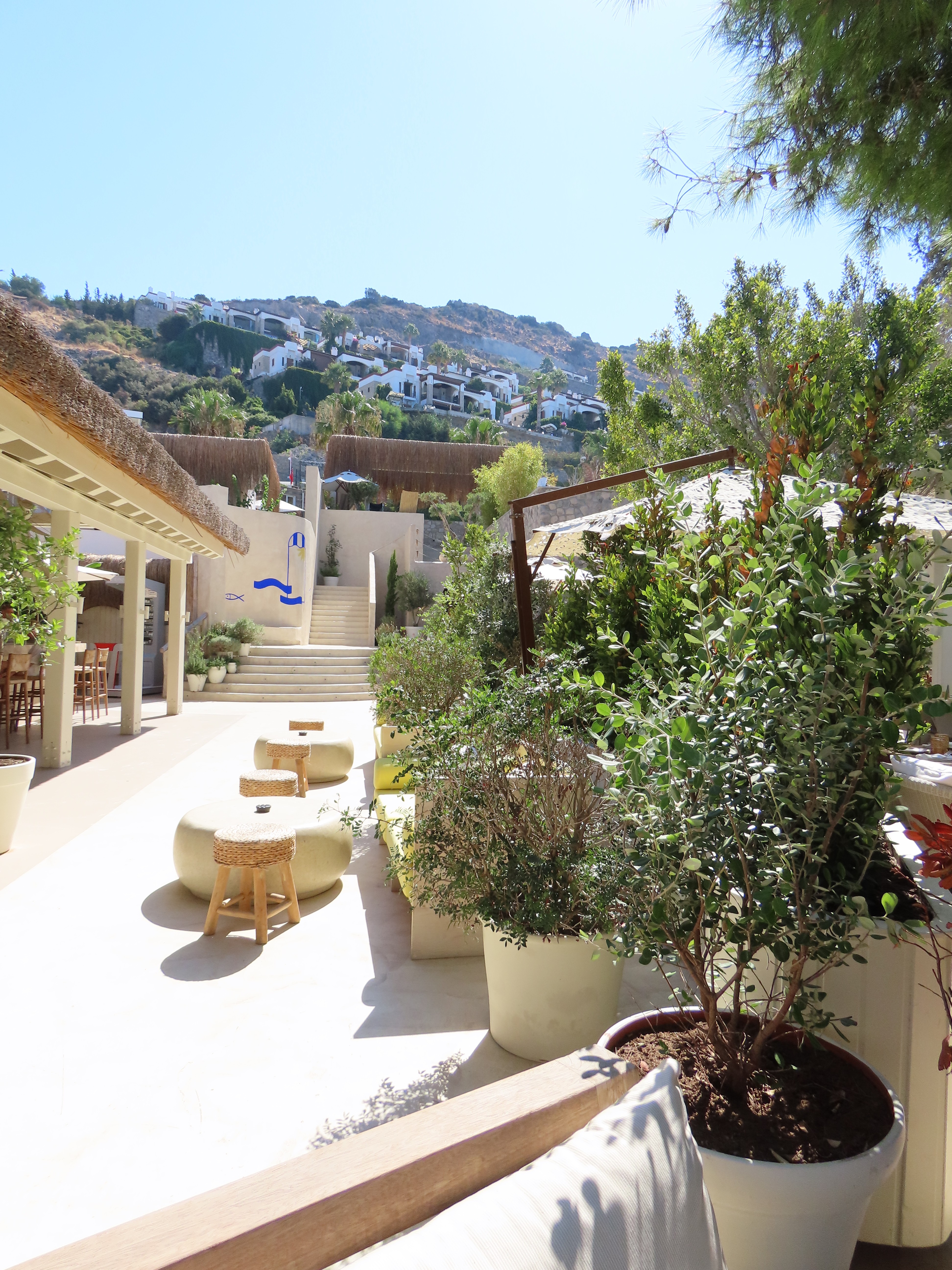
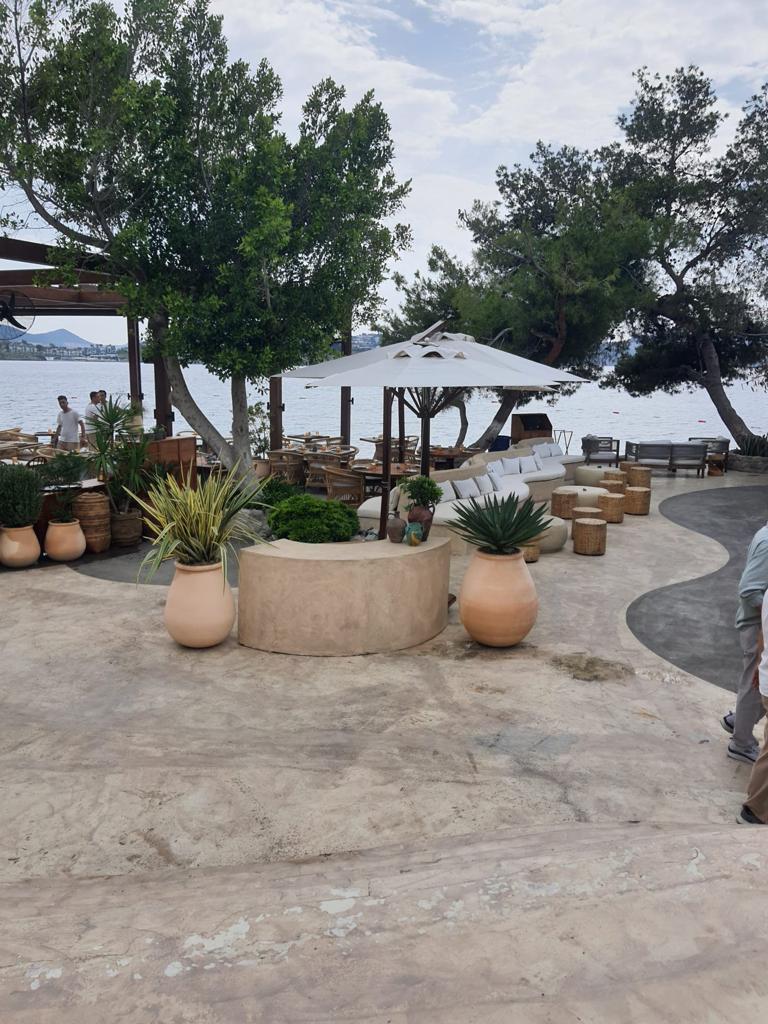
This 2-hectare site on the west-facing waterfront of Yalıkavak was largely defined by hardscape, with only a few mature trees remaining from its earlier natural landscape.
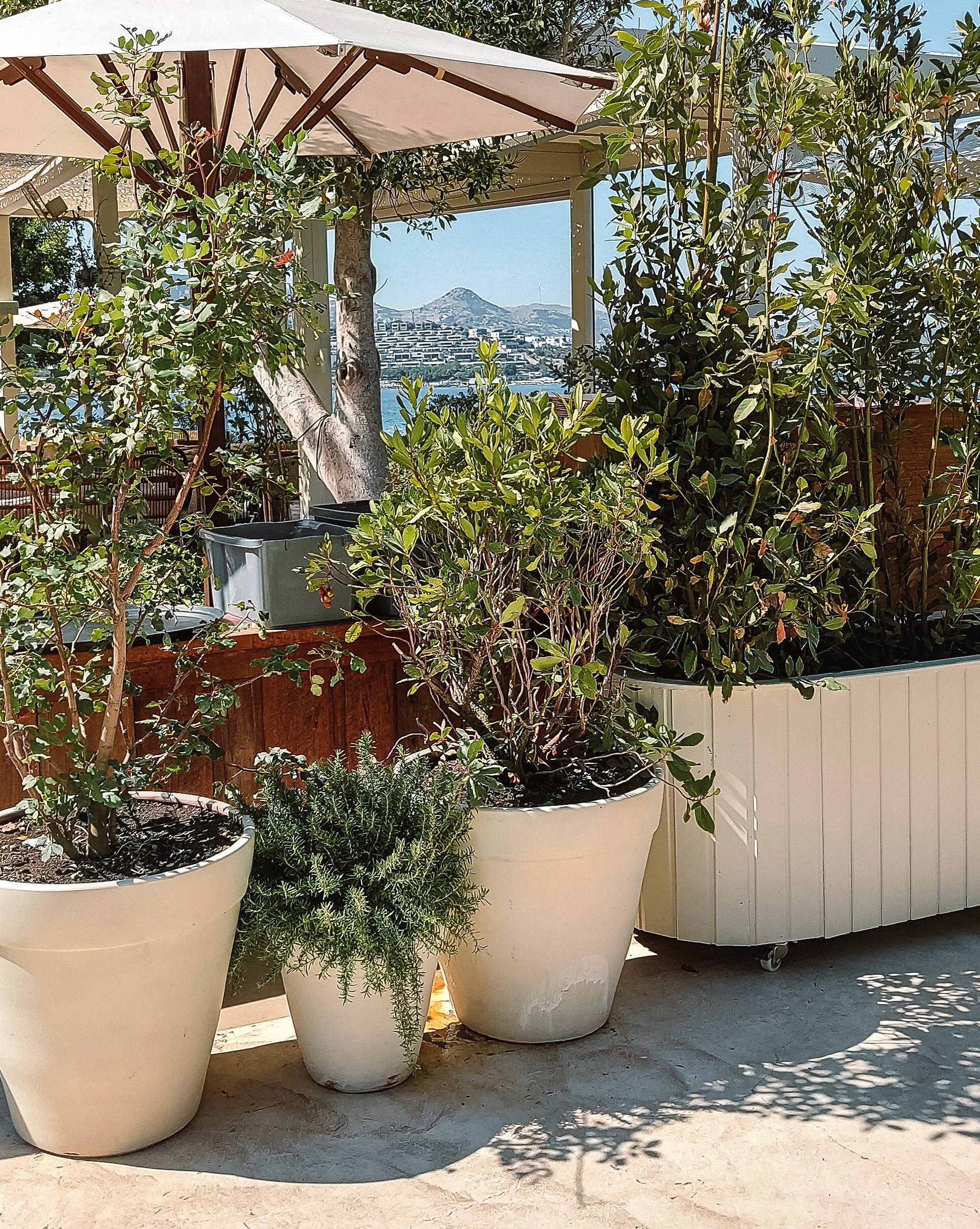
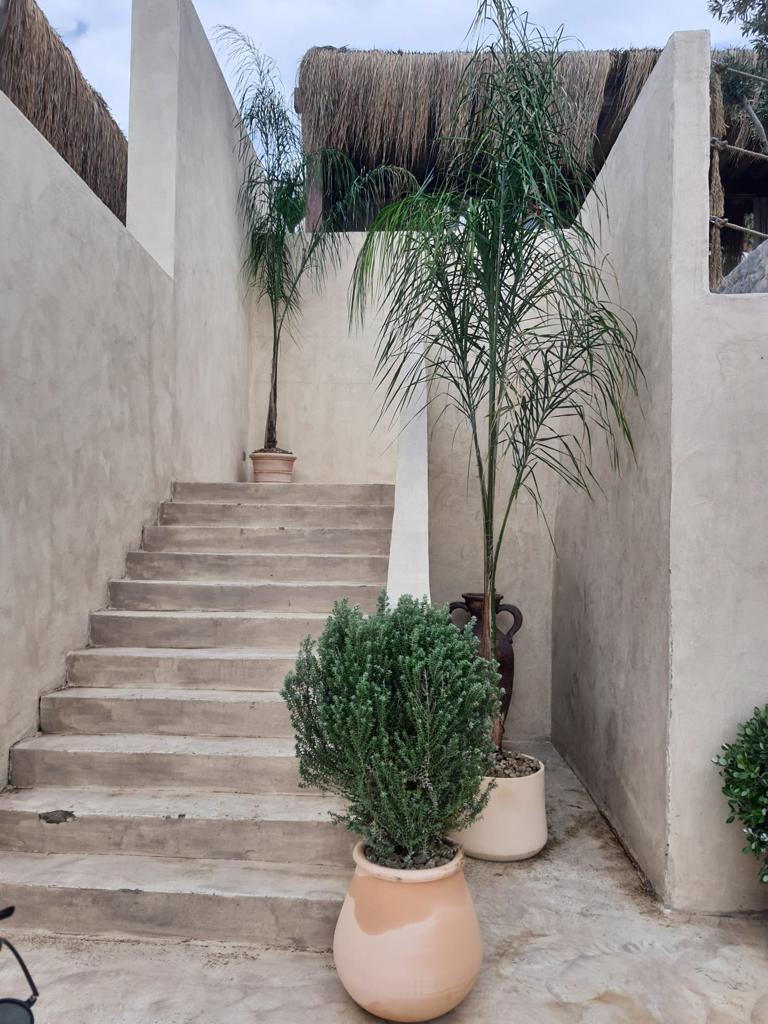
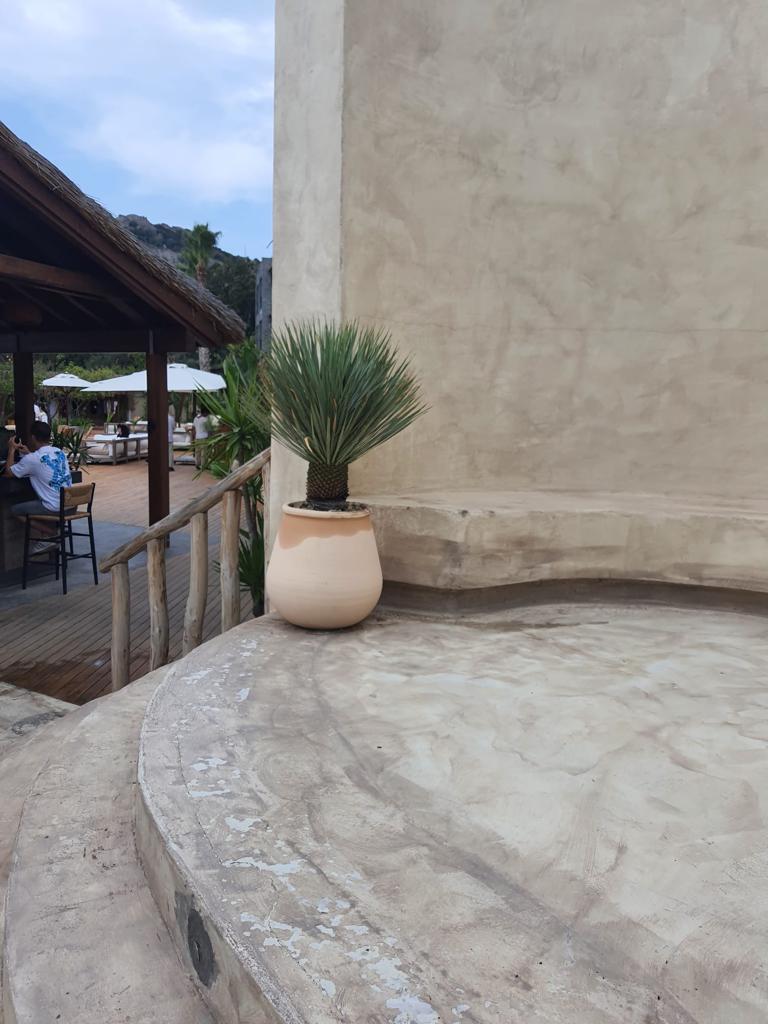
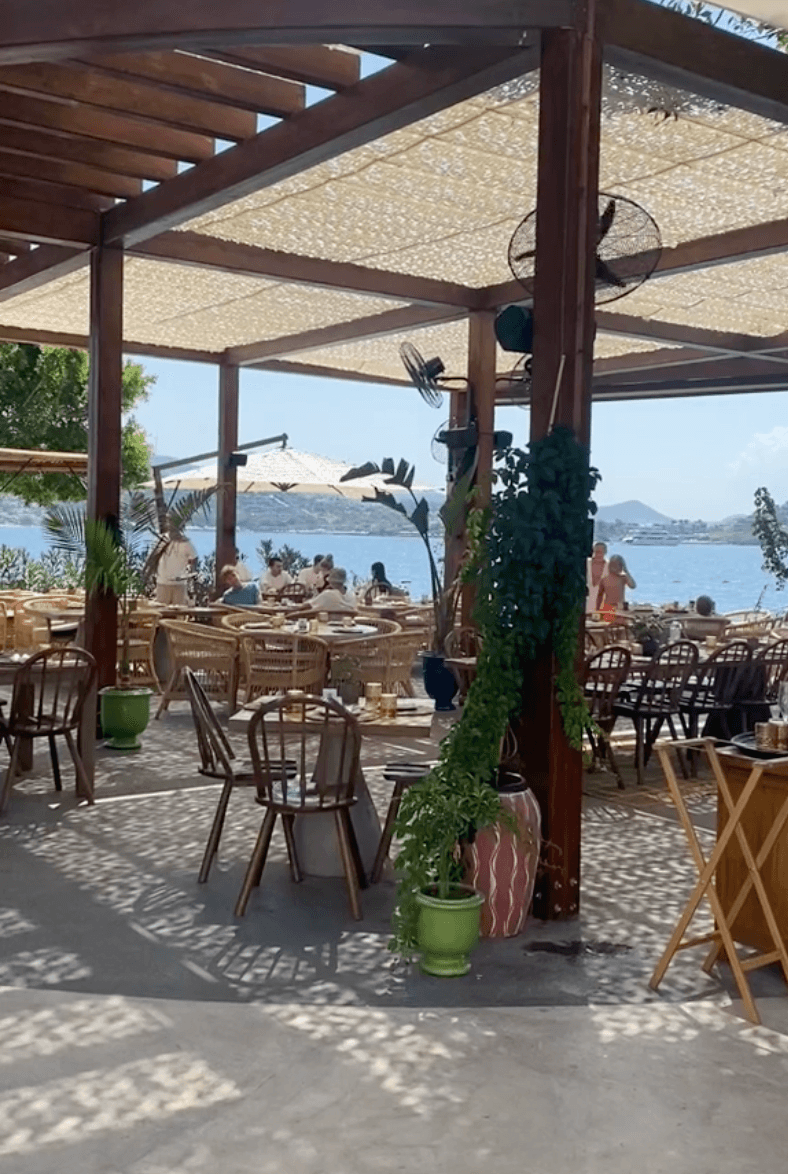
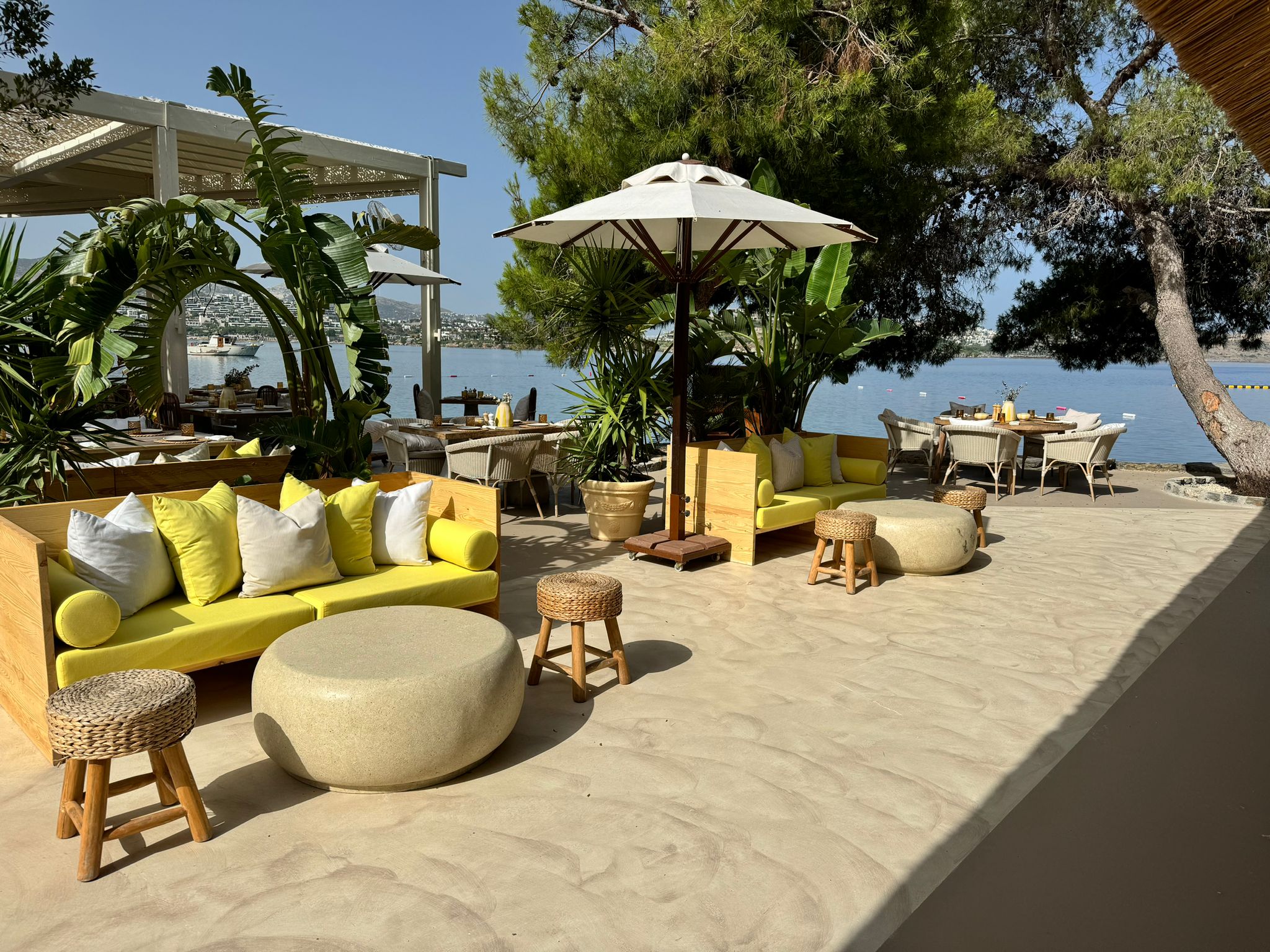
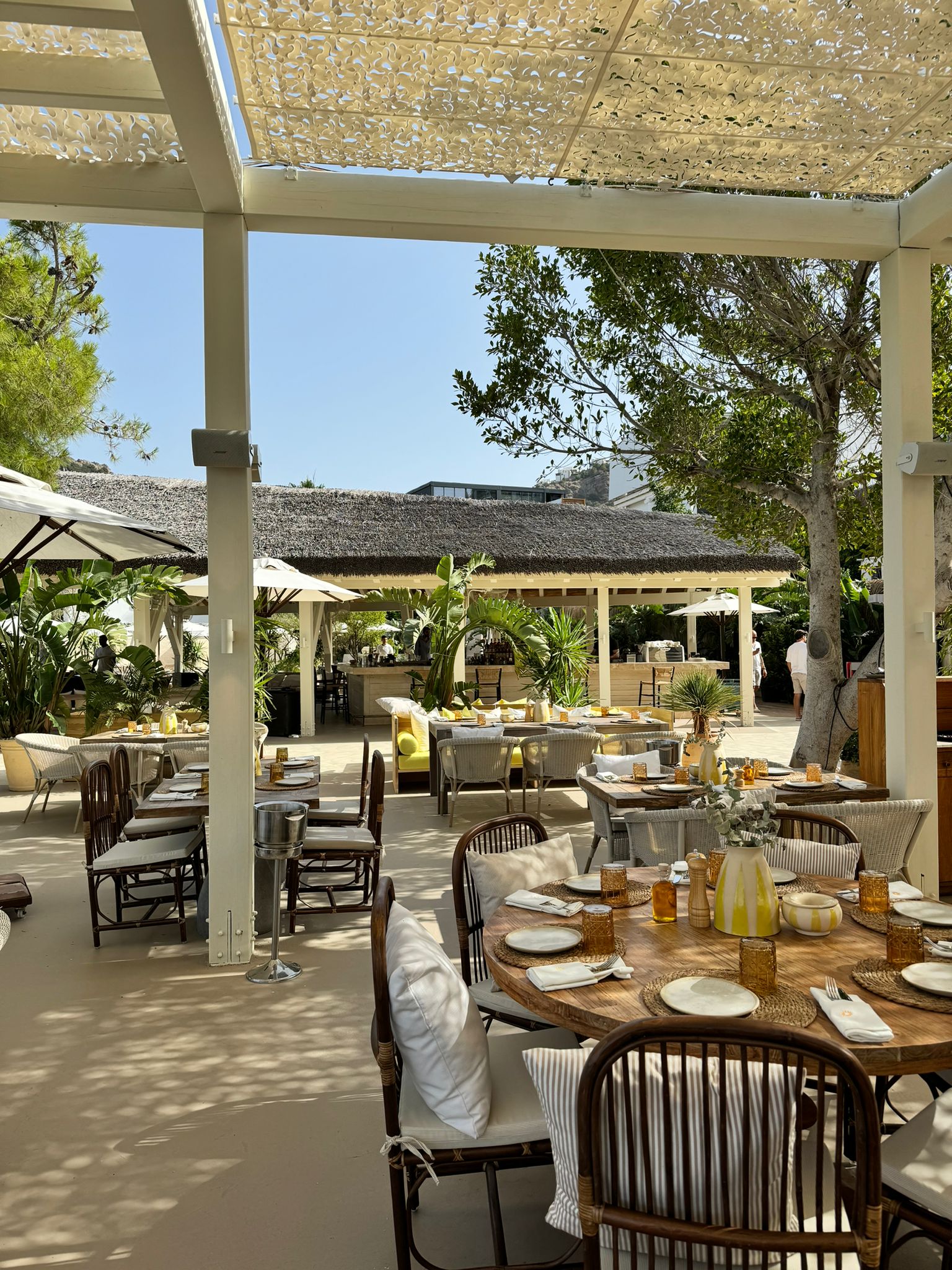
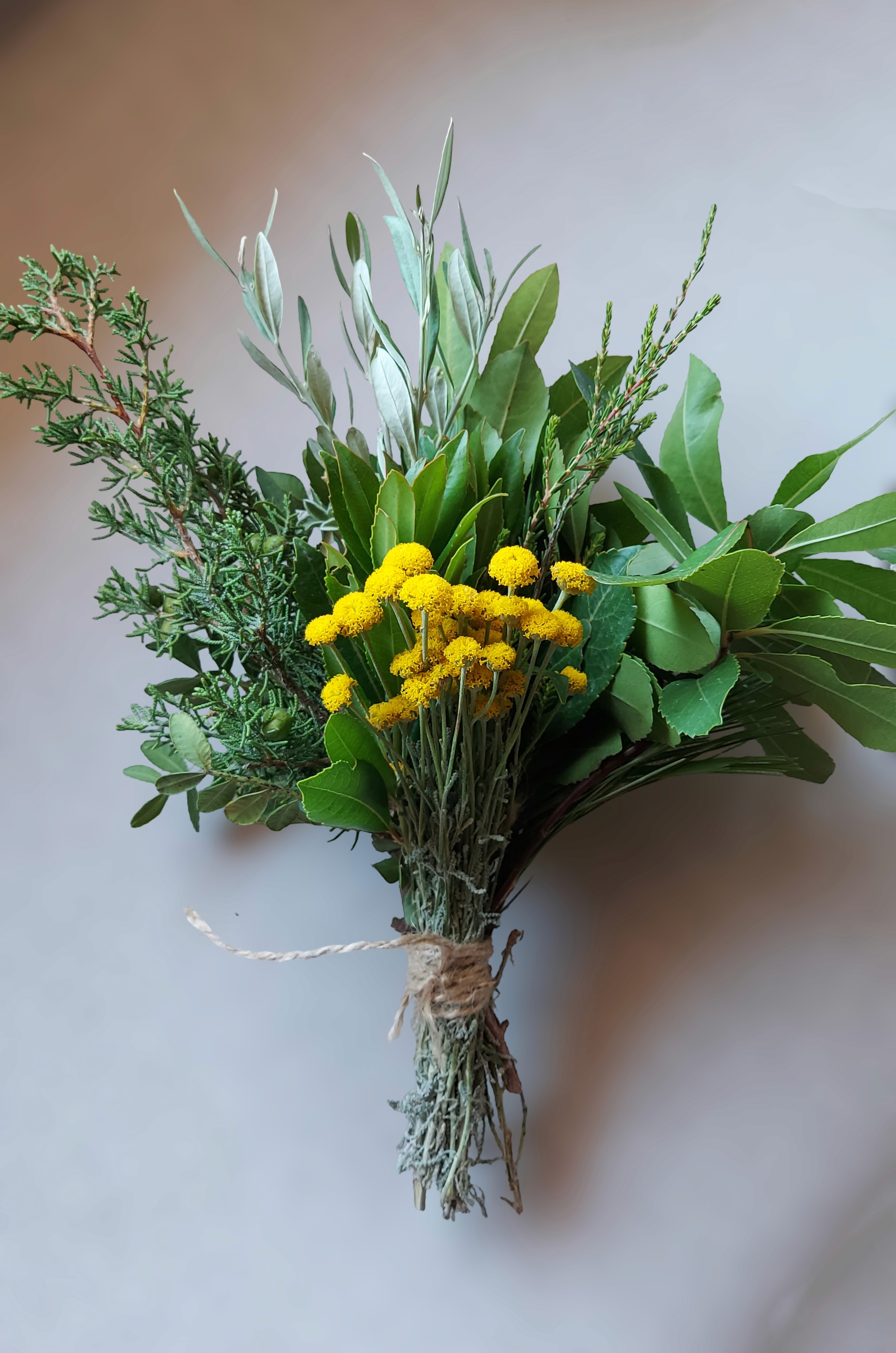
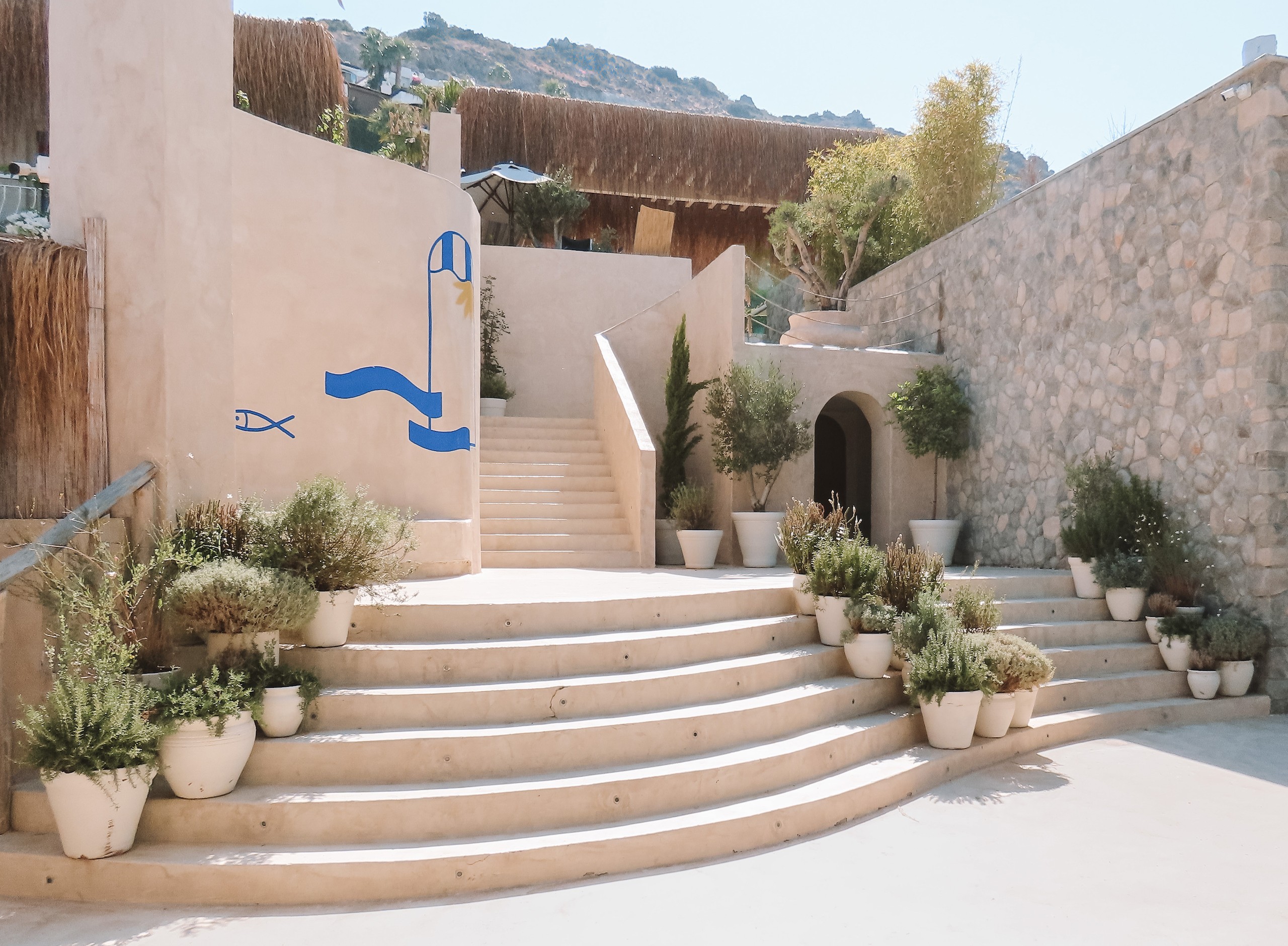
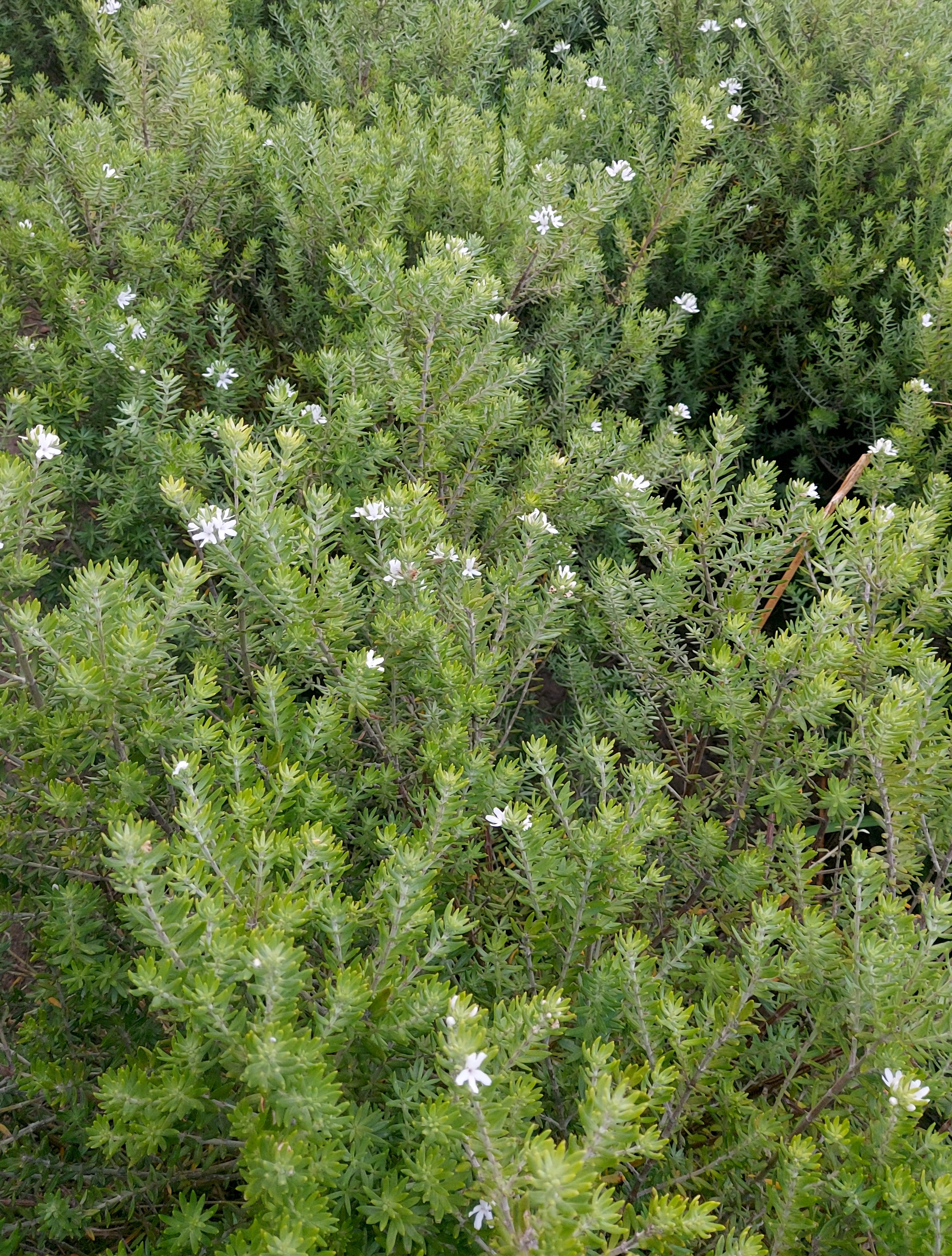
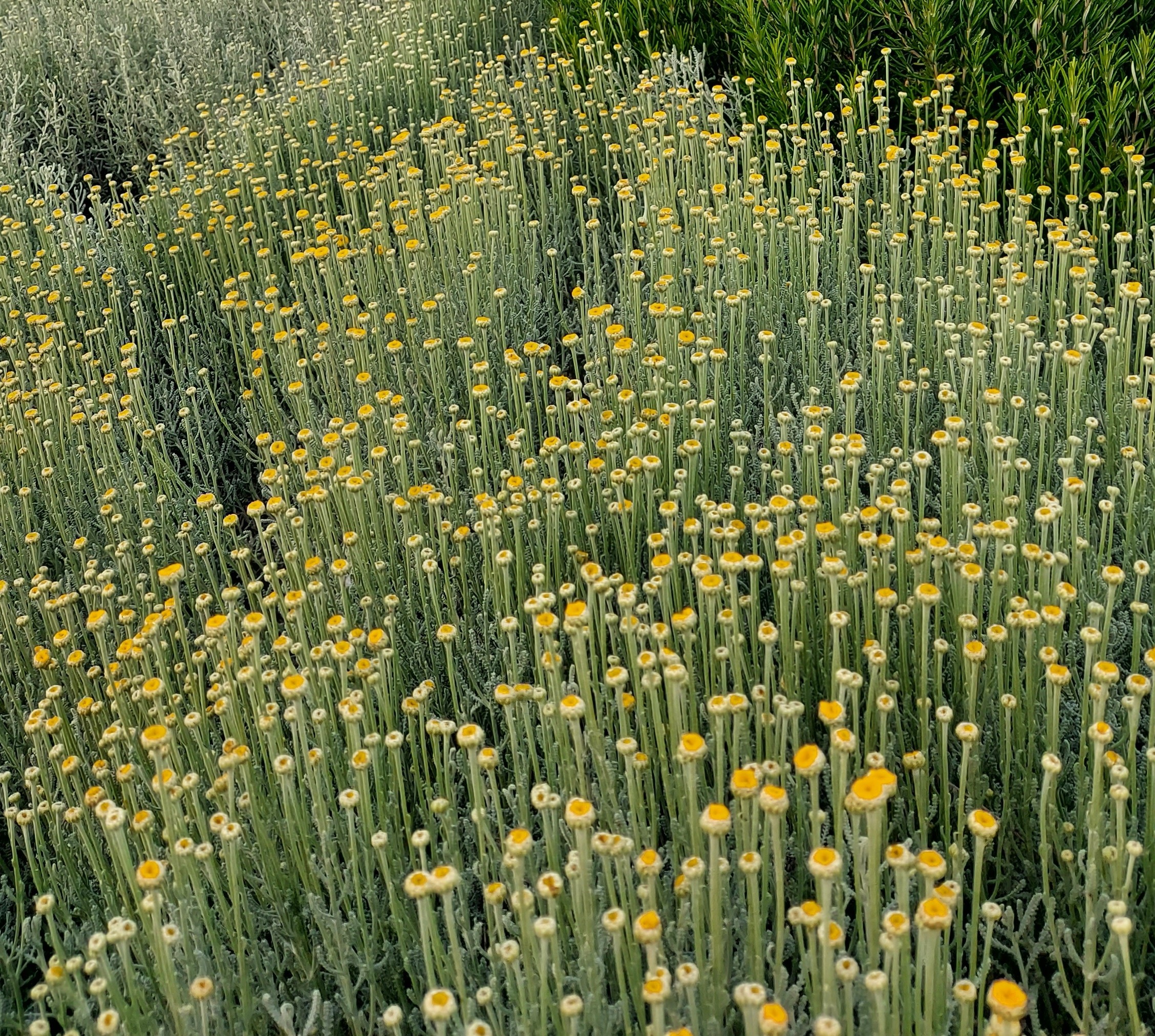
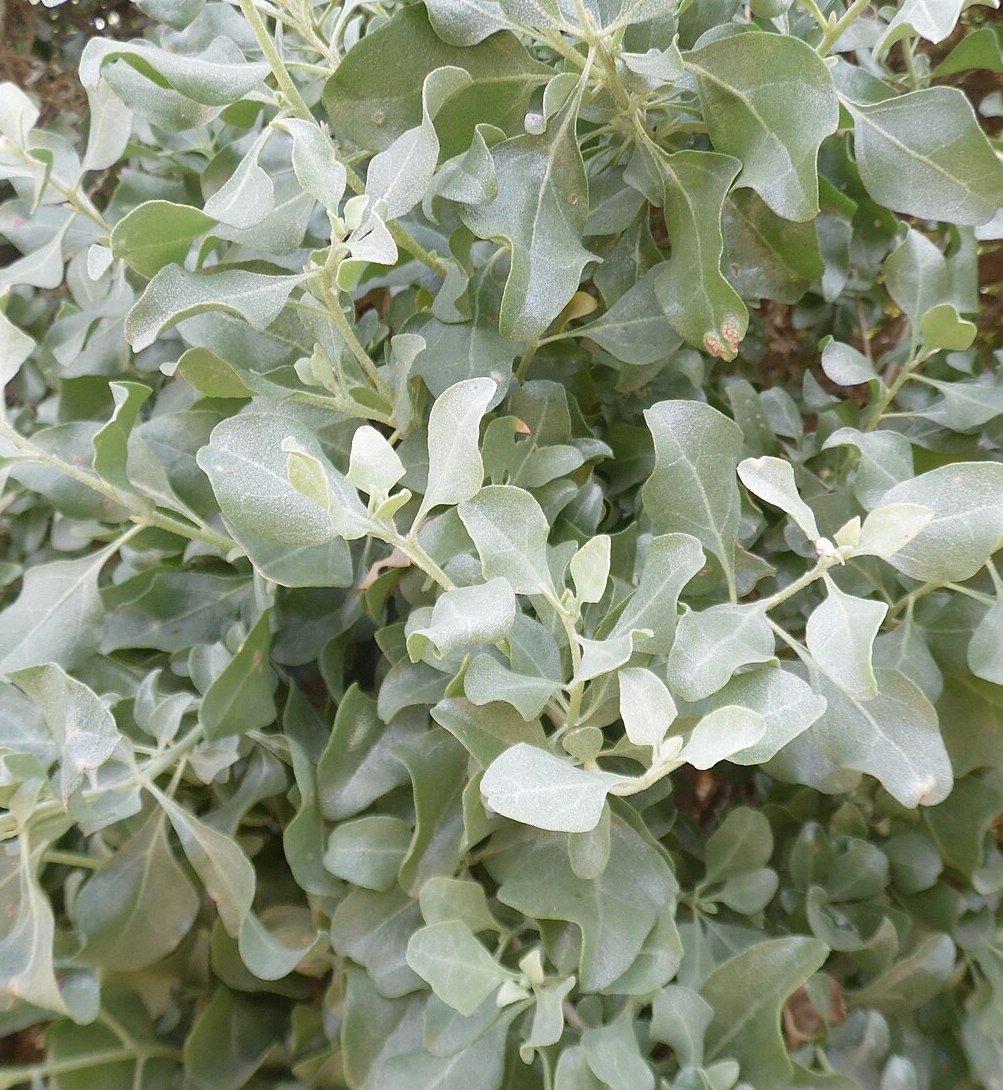
A mix of aromatic plants, shrubs, and trees was introduced to soften the mineral surfaces and strengthen the connection with local flora.
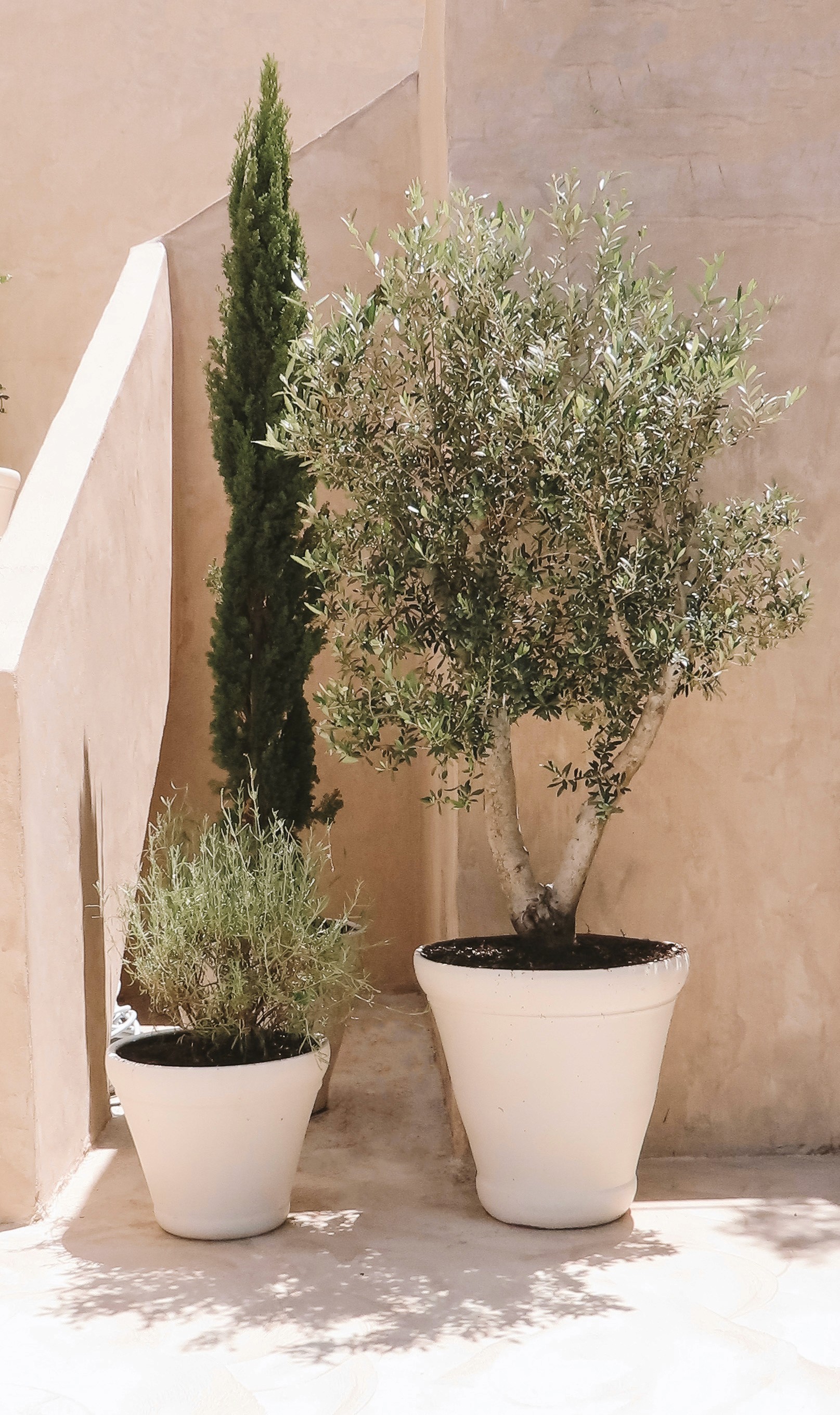
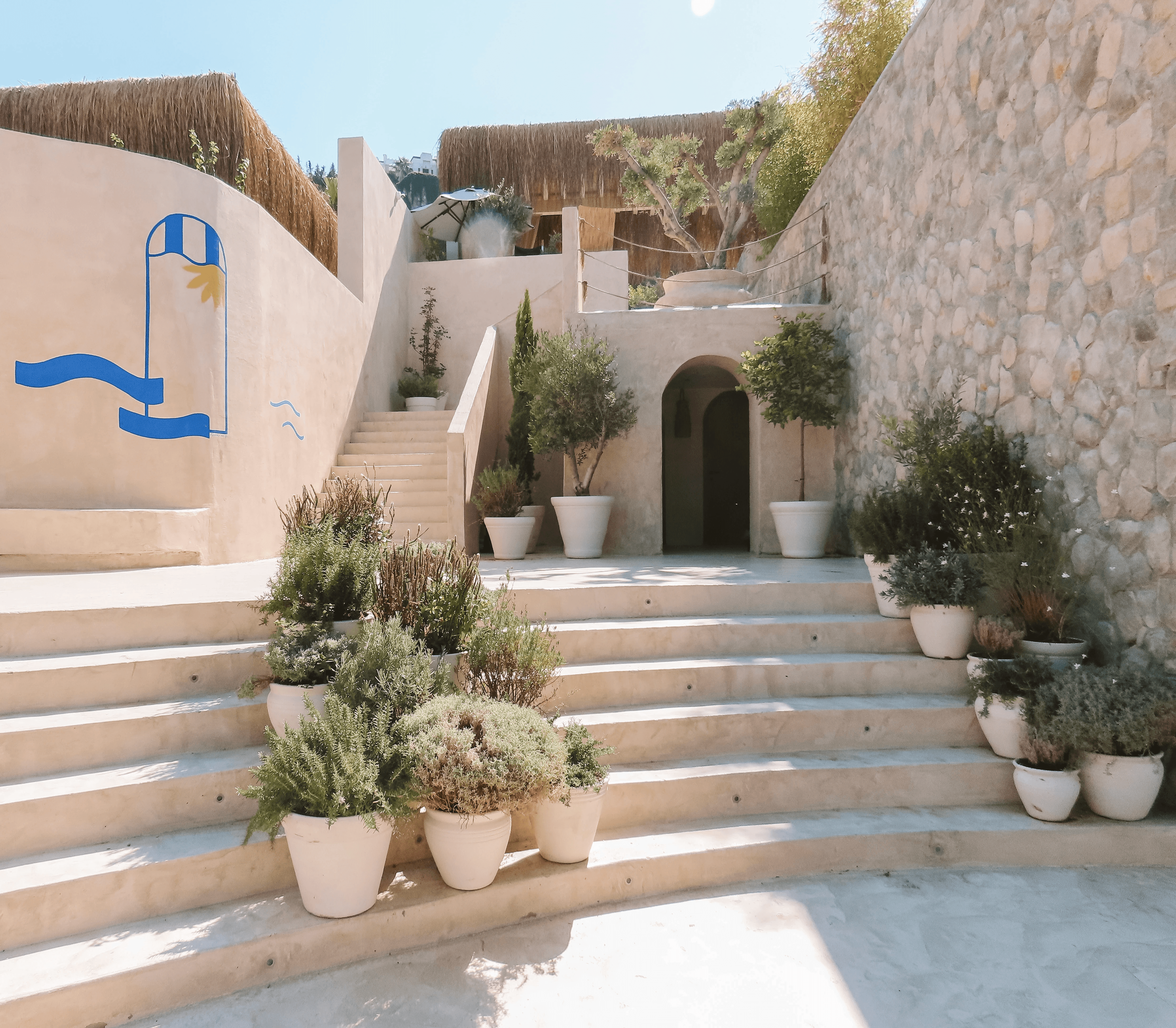
The design establishes a living counterpoint to the stone and plaster architecture, rooting a sense of place through vegetation that is both durable and grounded in its geography.
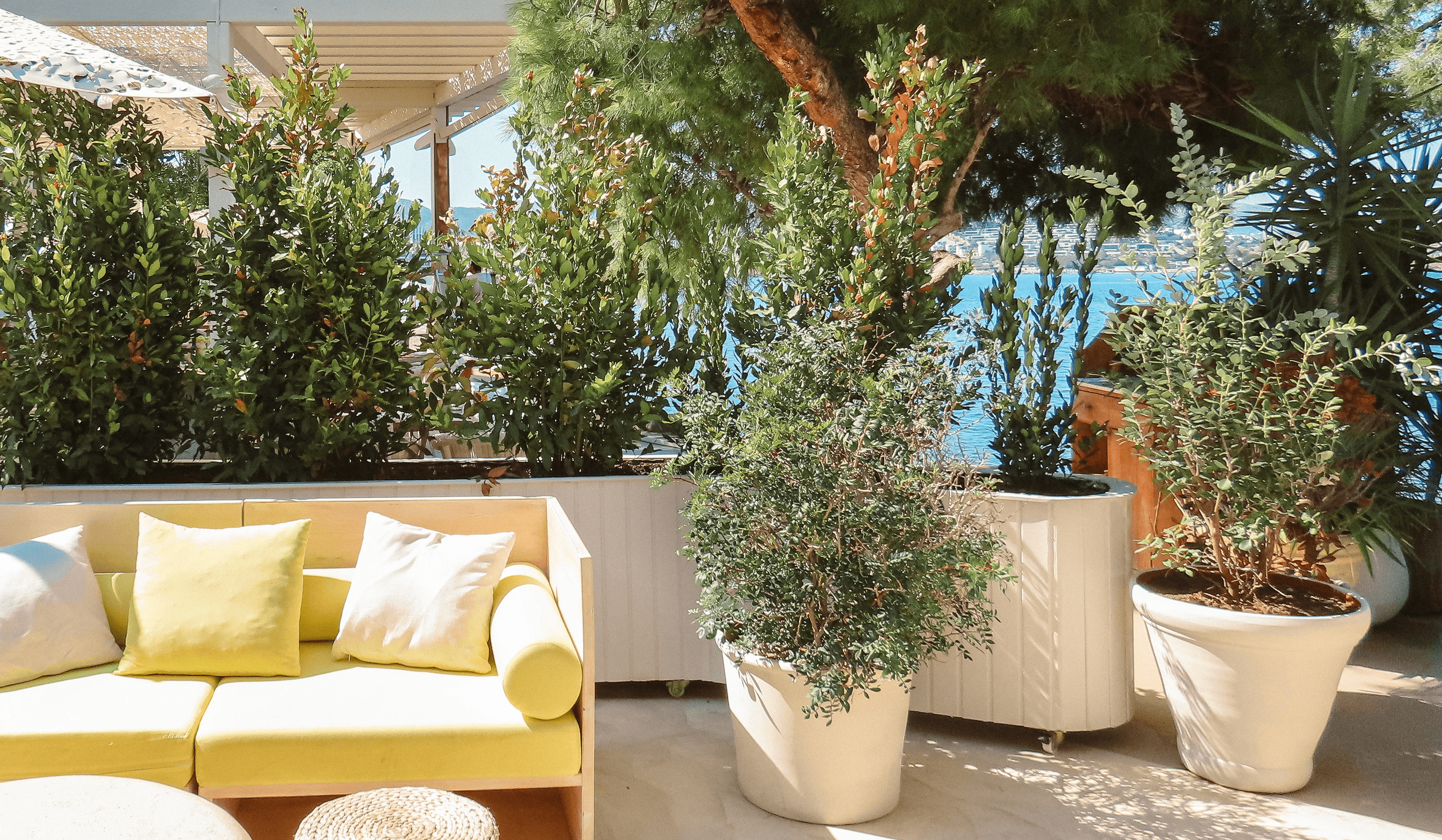
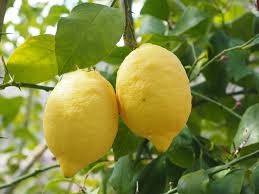
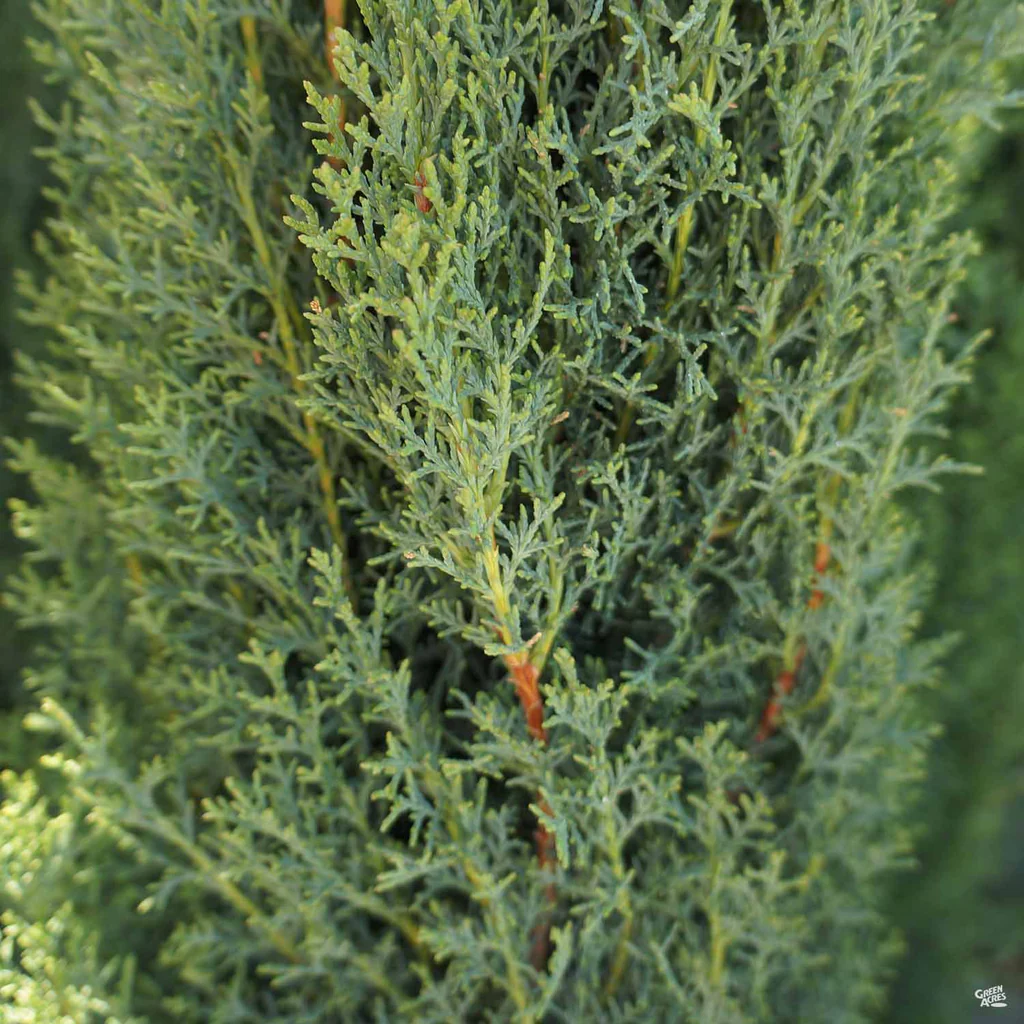
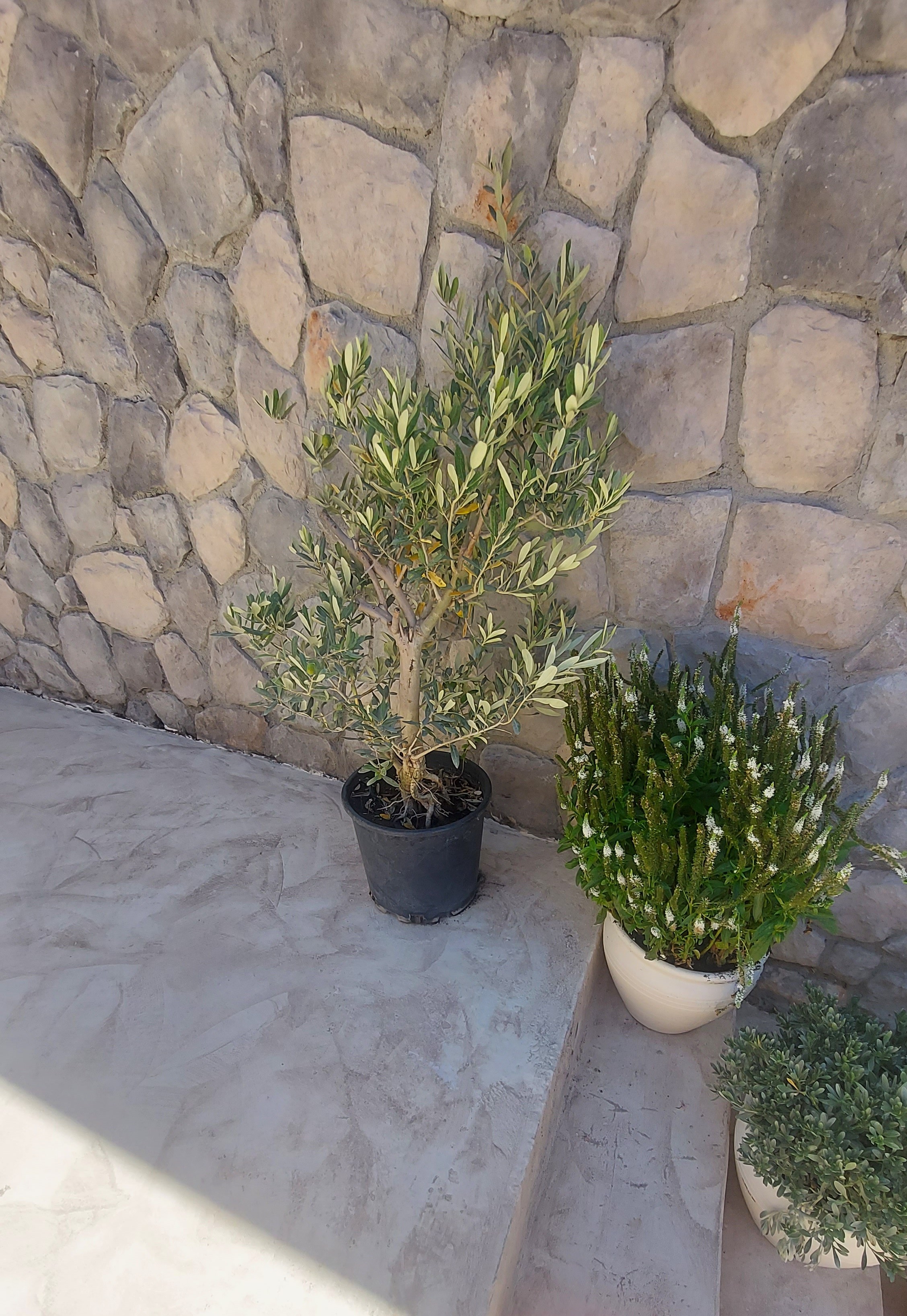
The absence of soil made direct planting impossible, requiring a design strategy that could reintroduce vegetation under these constraints. The intervention introduced a system of large clay vessels and wooden planters on wheels, making containers the primary medium for cultivation while allowing flexibility to adapt to the venue’s yearly changing layout.
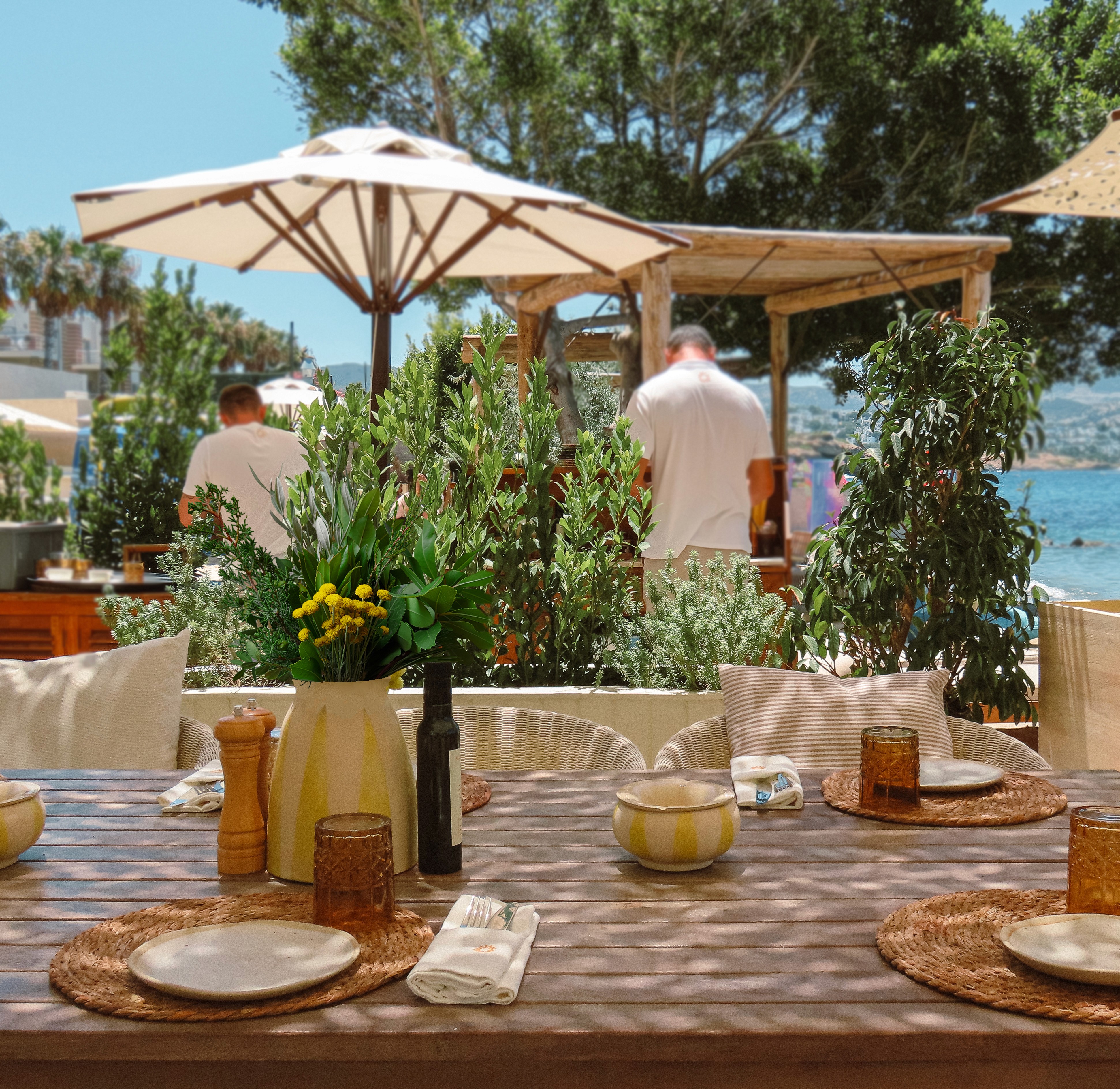
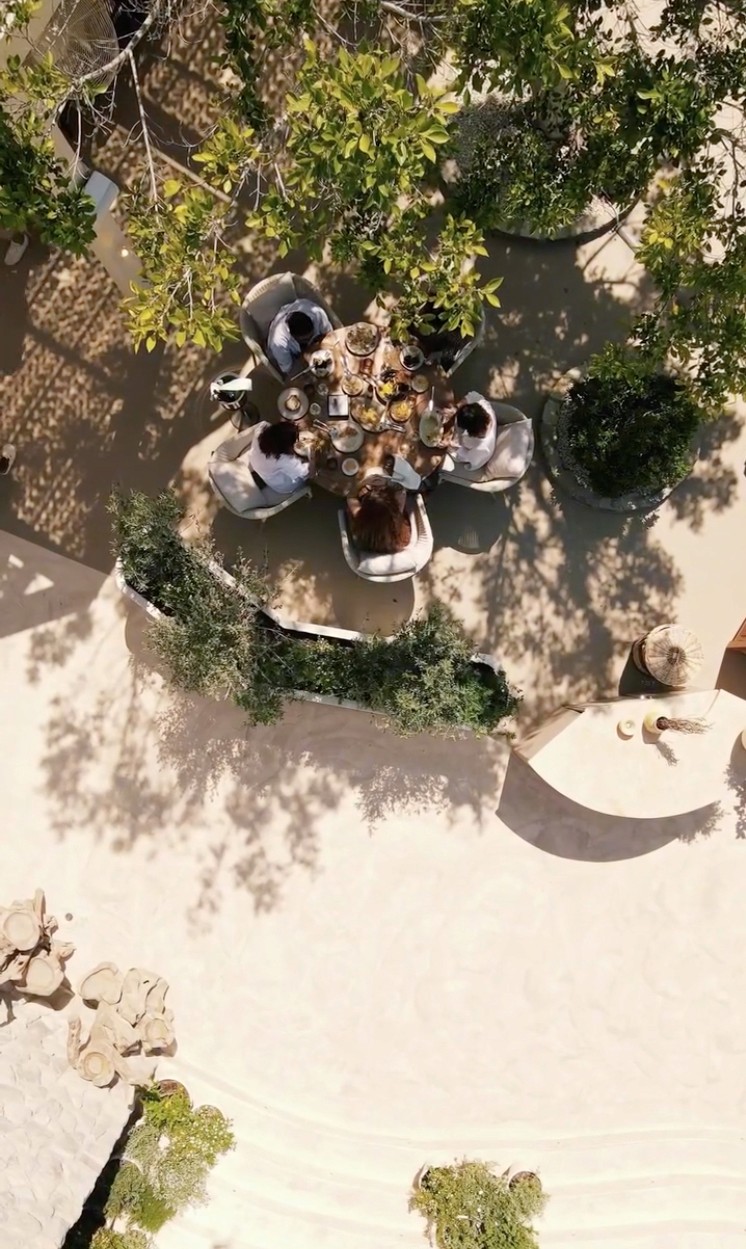
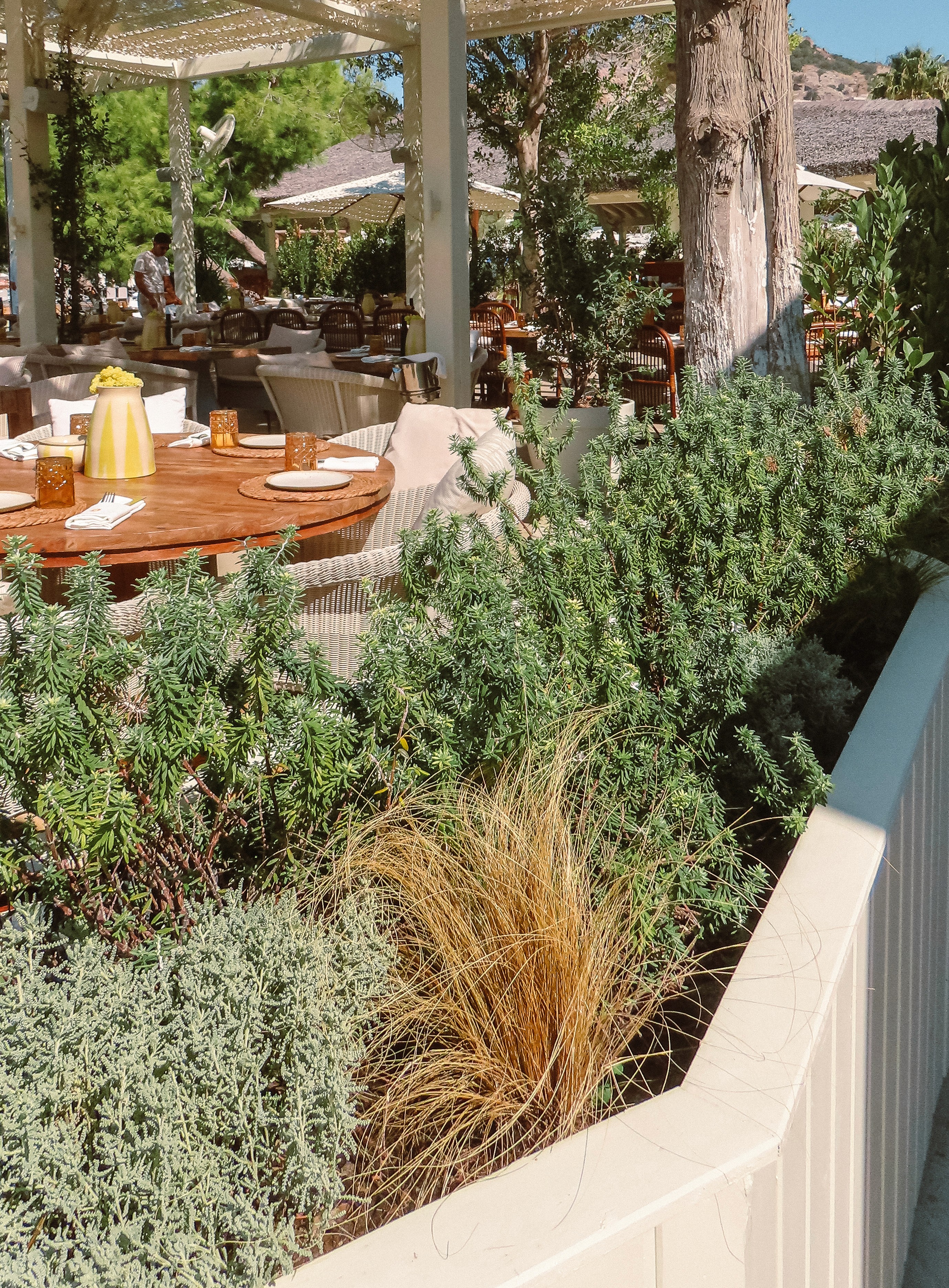
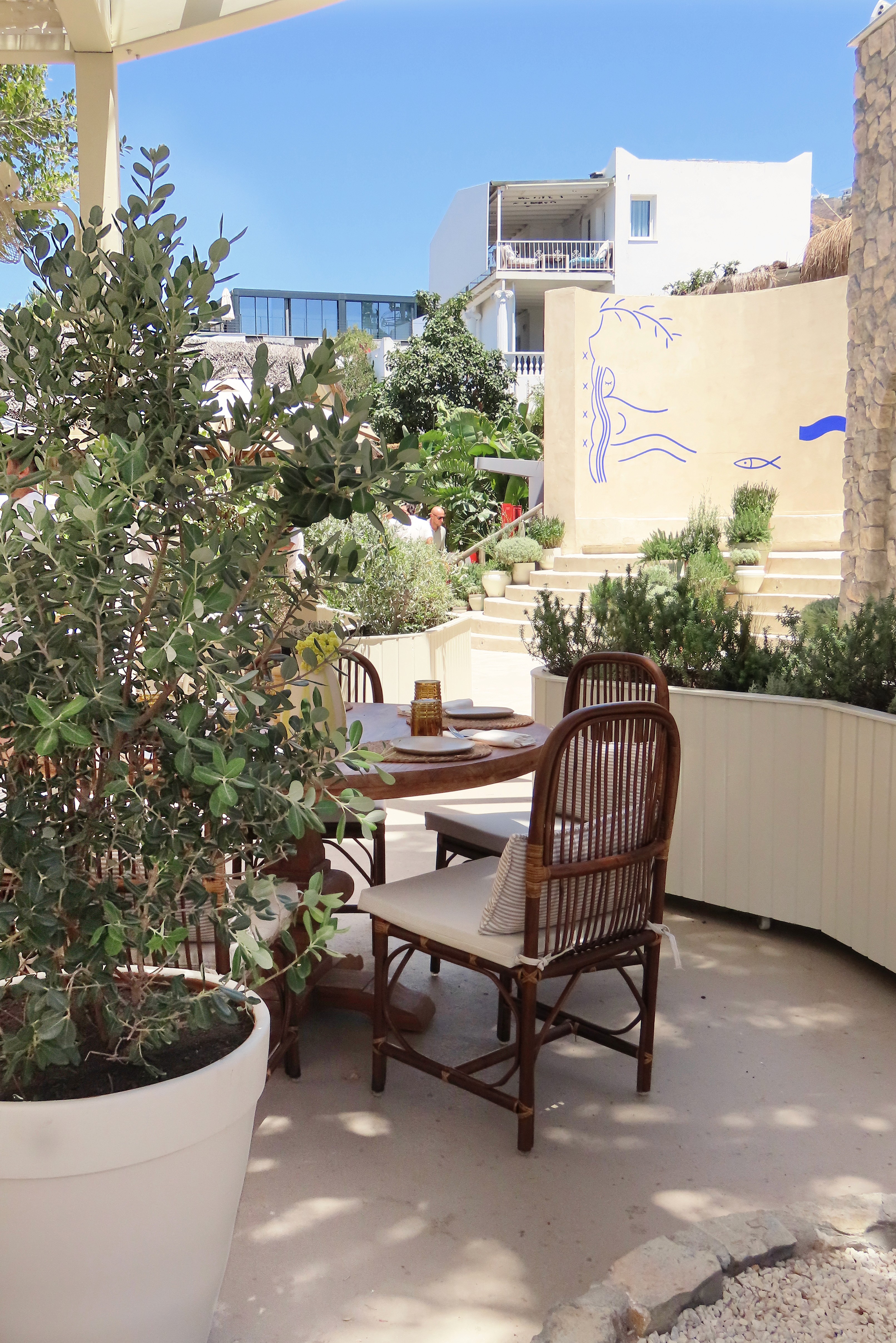
The wooden planters also helped define the restaurant’s area, subtly marking its boundaries within the beach.
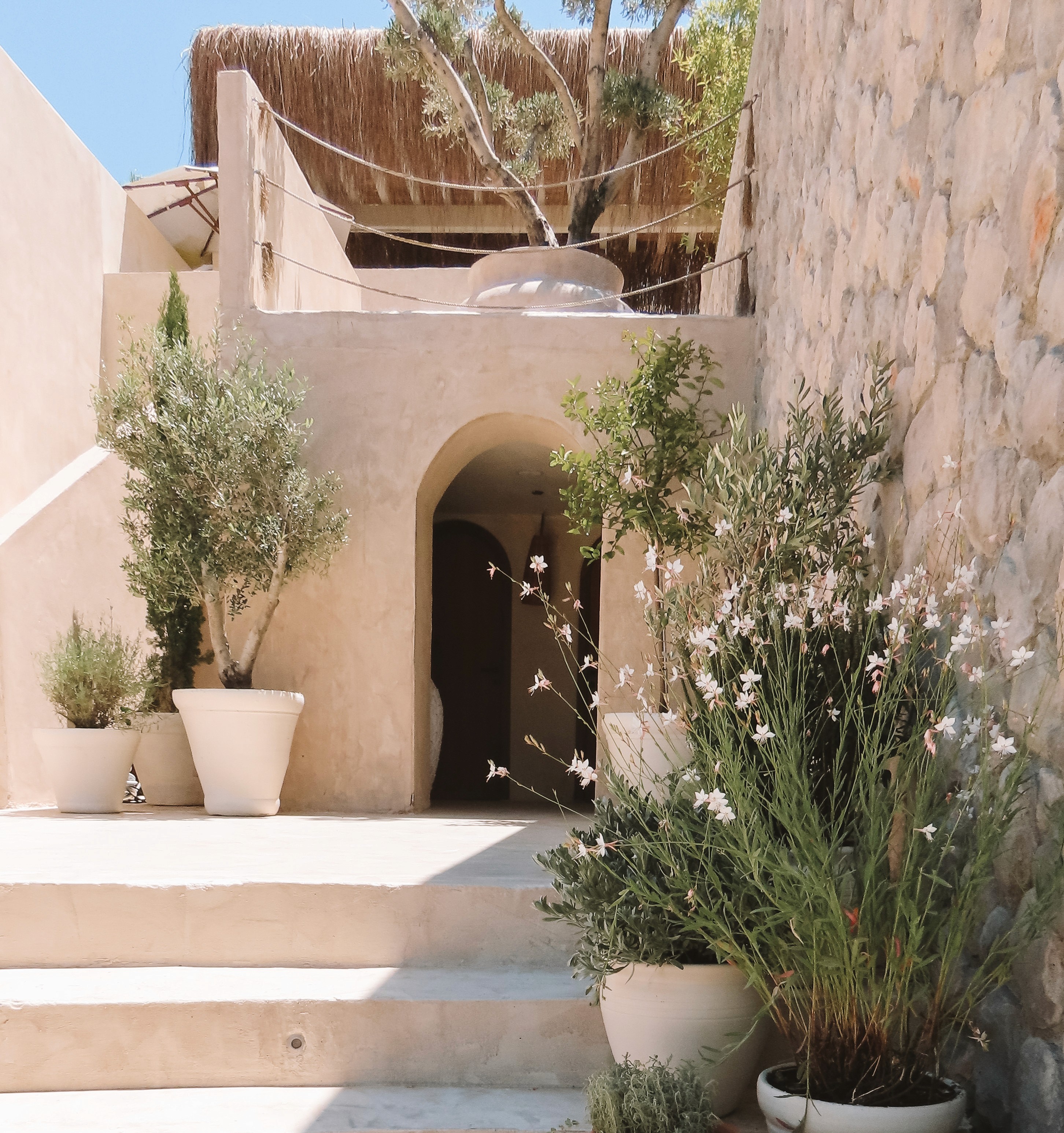
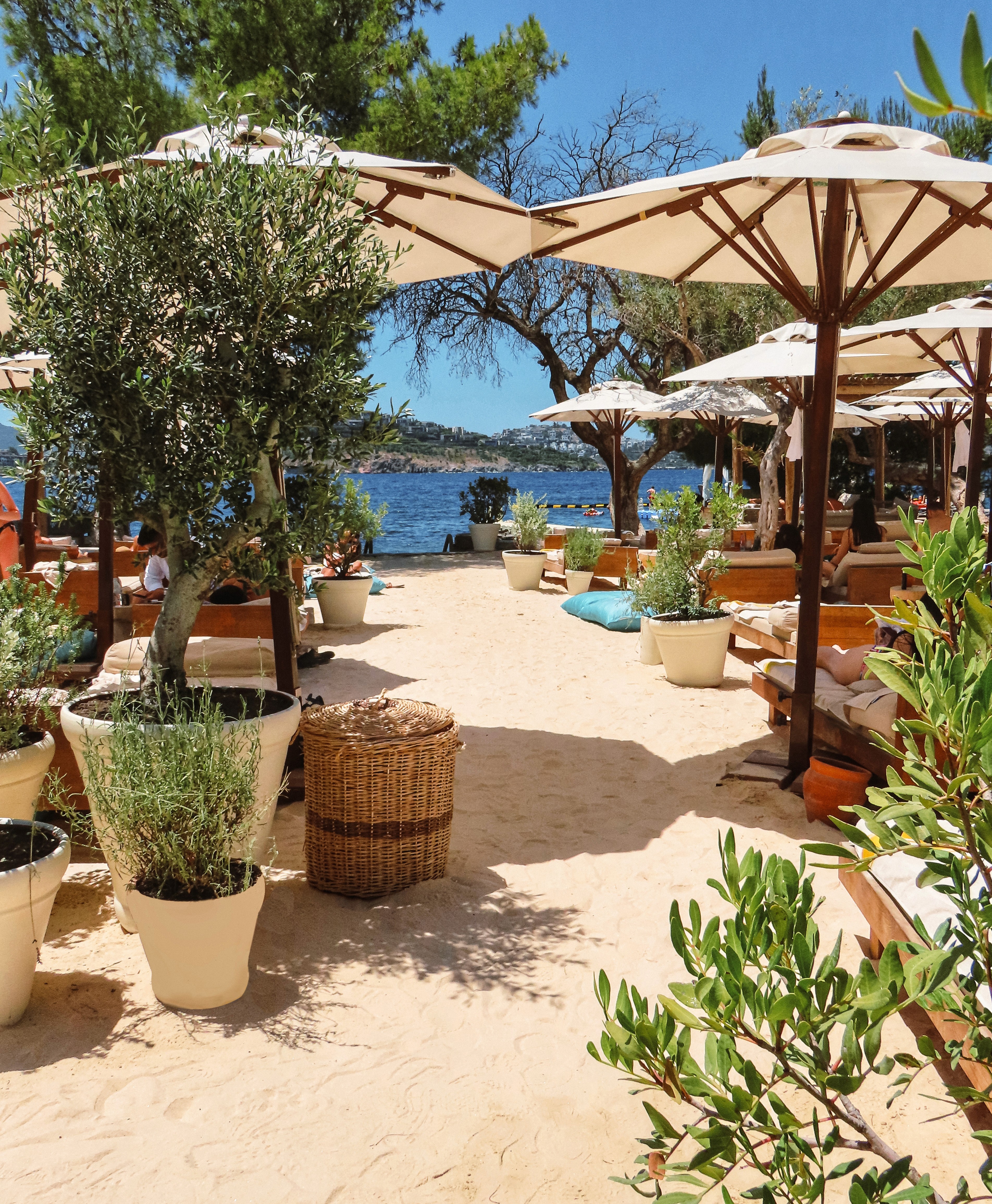
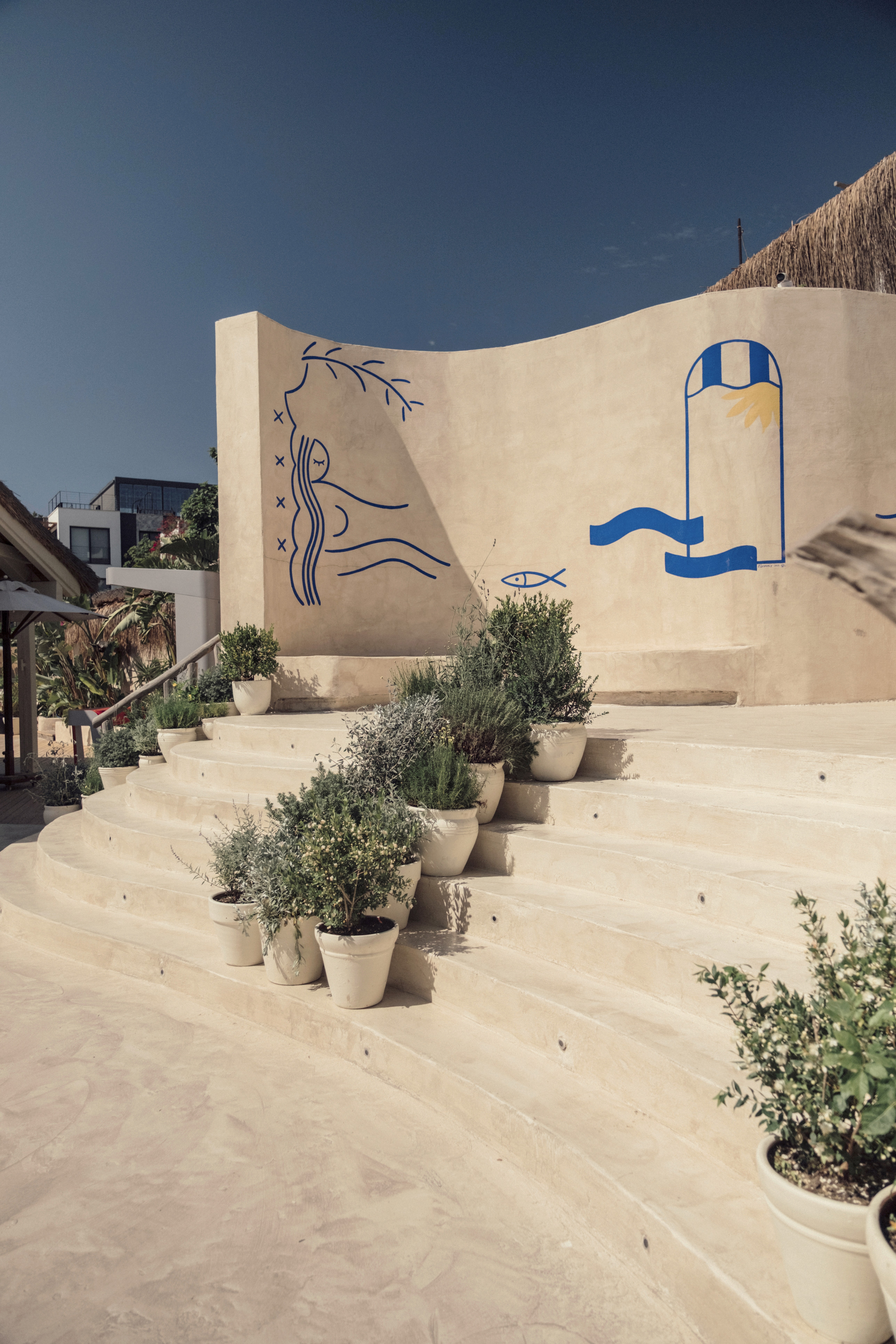
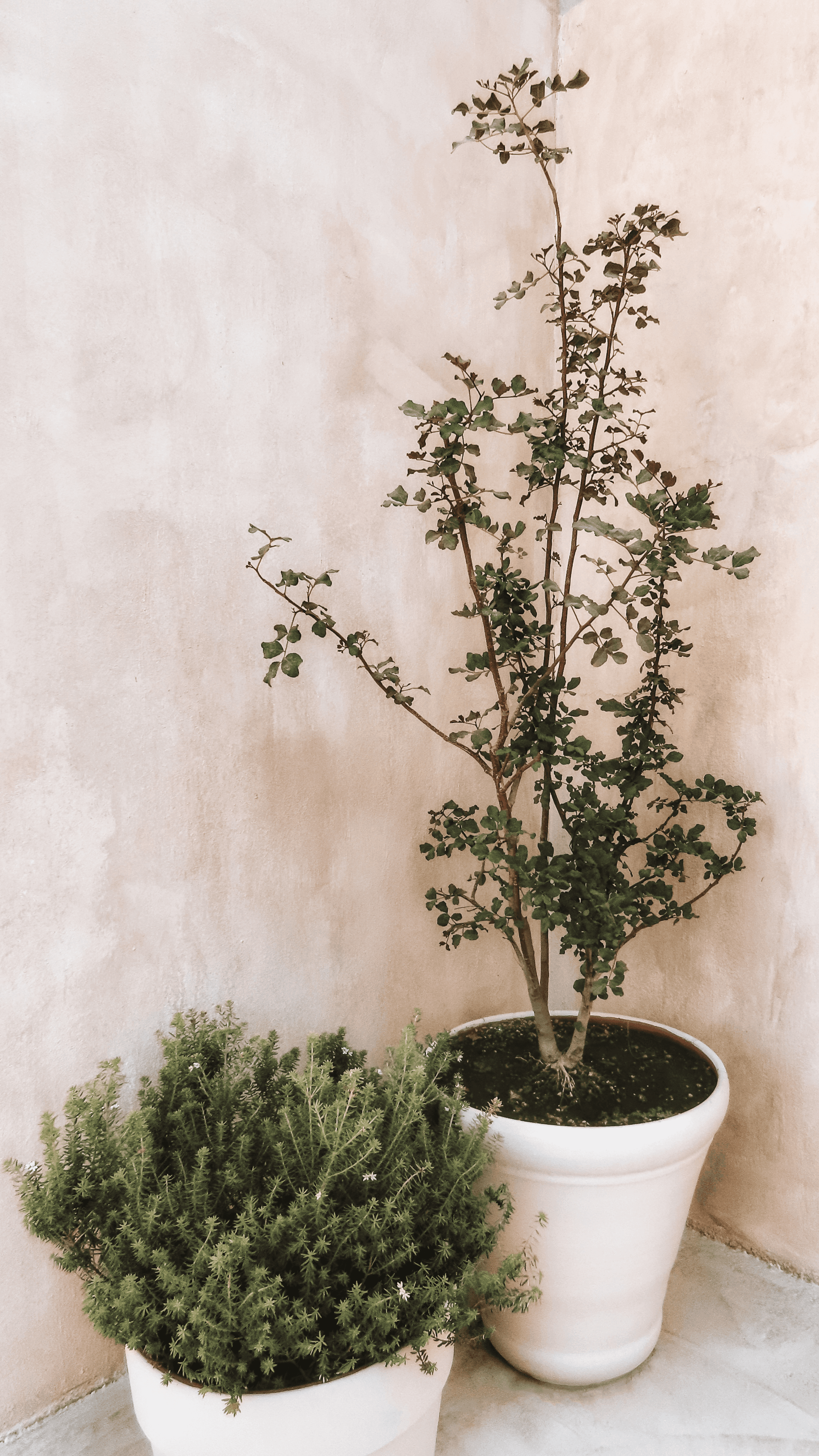
The planting strategy had to remain resilient to environmental pressures while reconnecting the site with its coastal context. Since plants in containers lose water faster than those rooted in soil, drought-tolerant species were essential in a region where water is already scarce. Species were carefully selected for their ability to withstand salt spray and coastal winds, echoing the evergreen coastal line of the region.