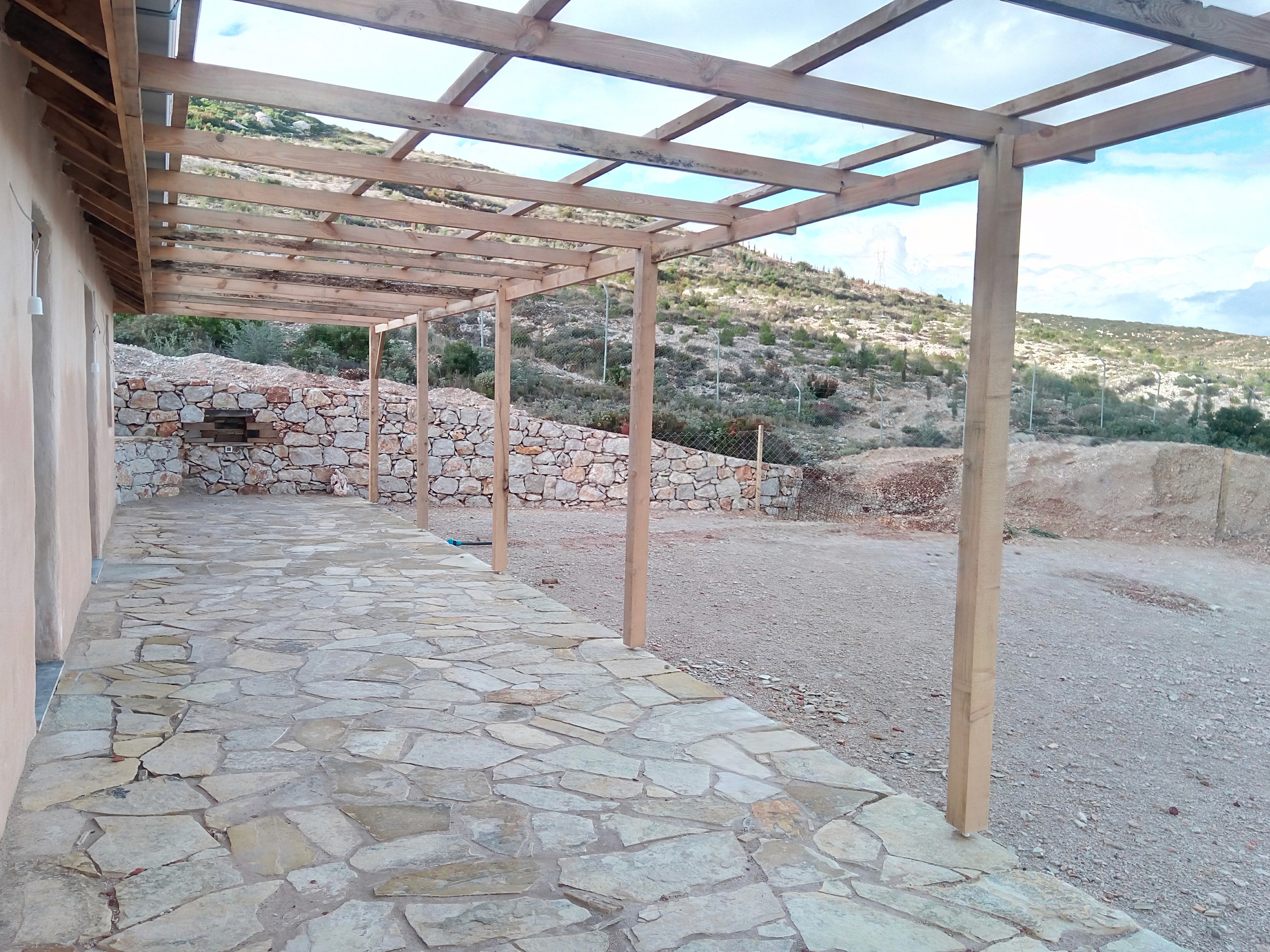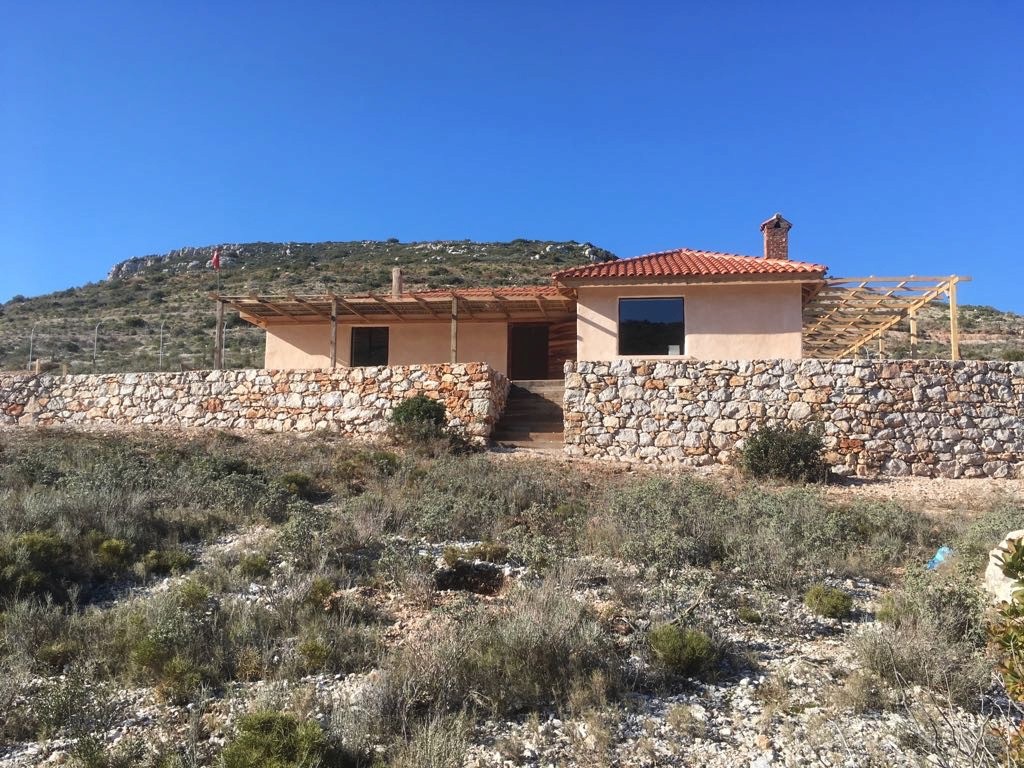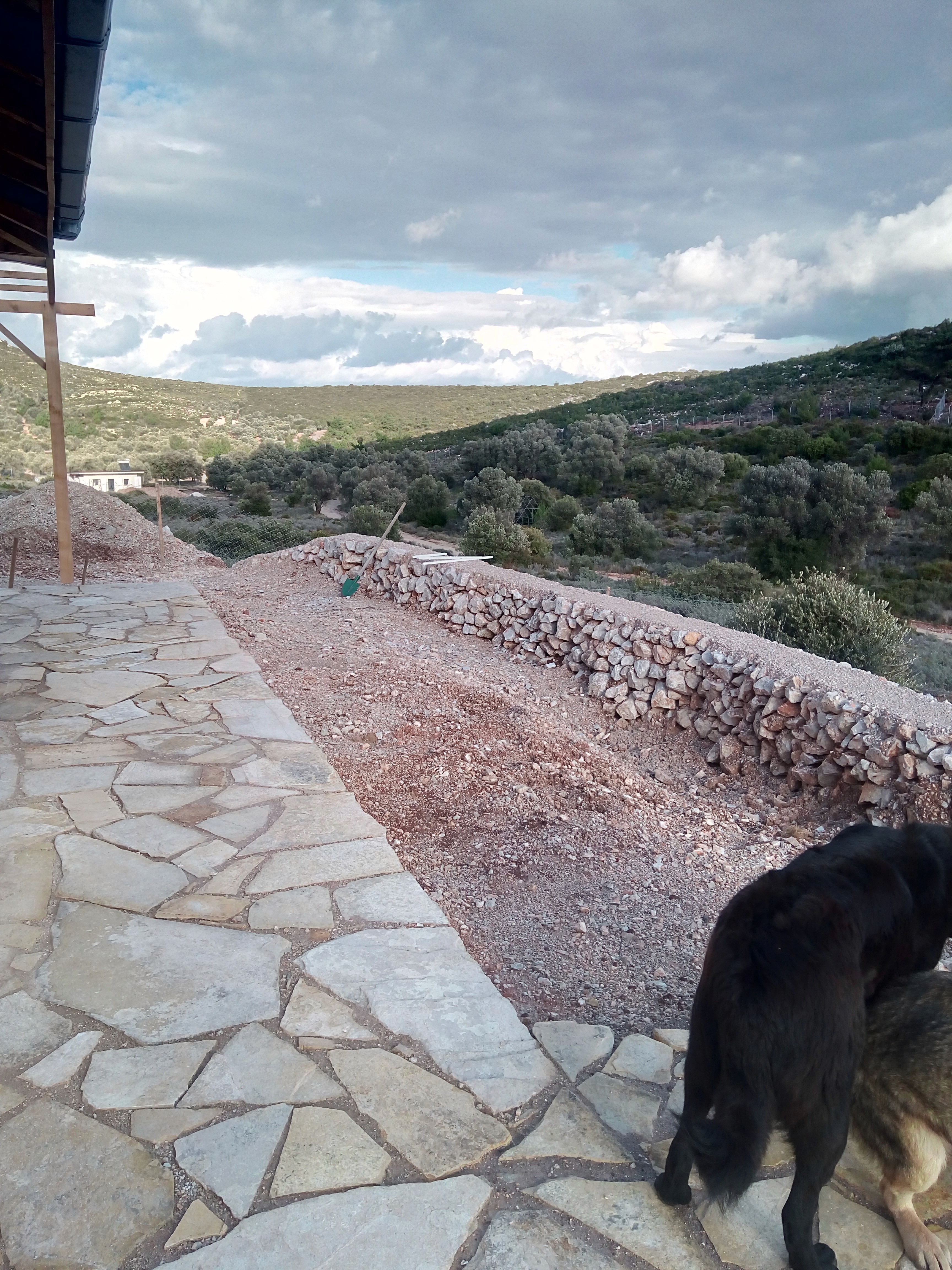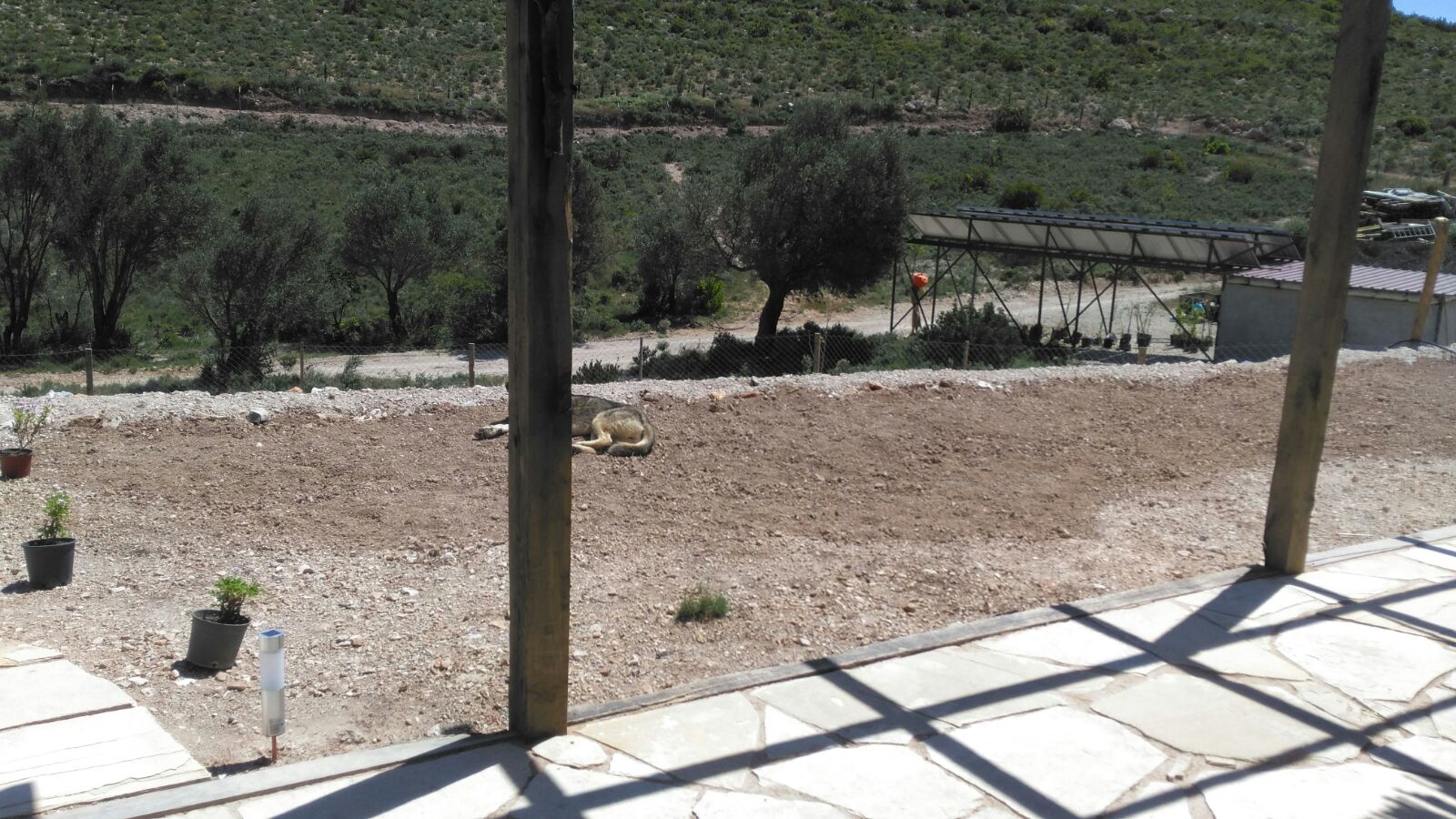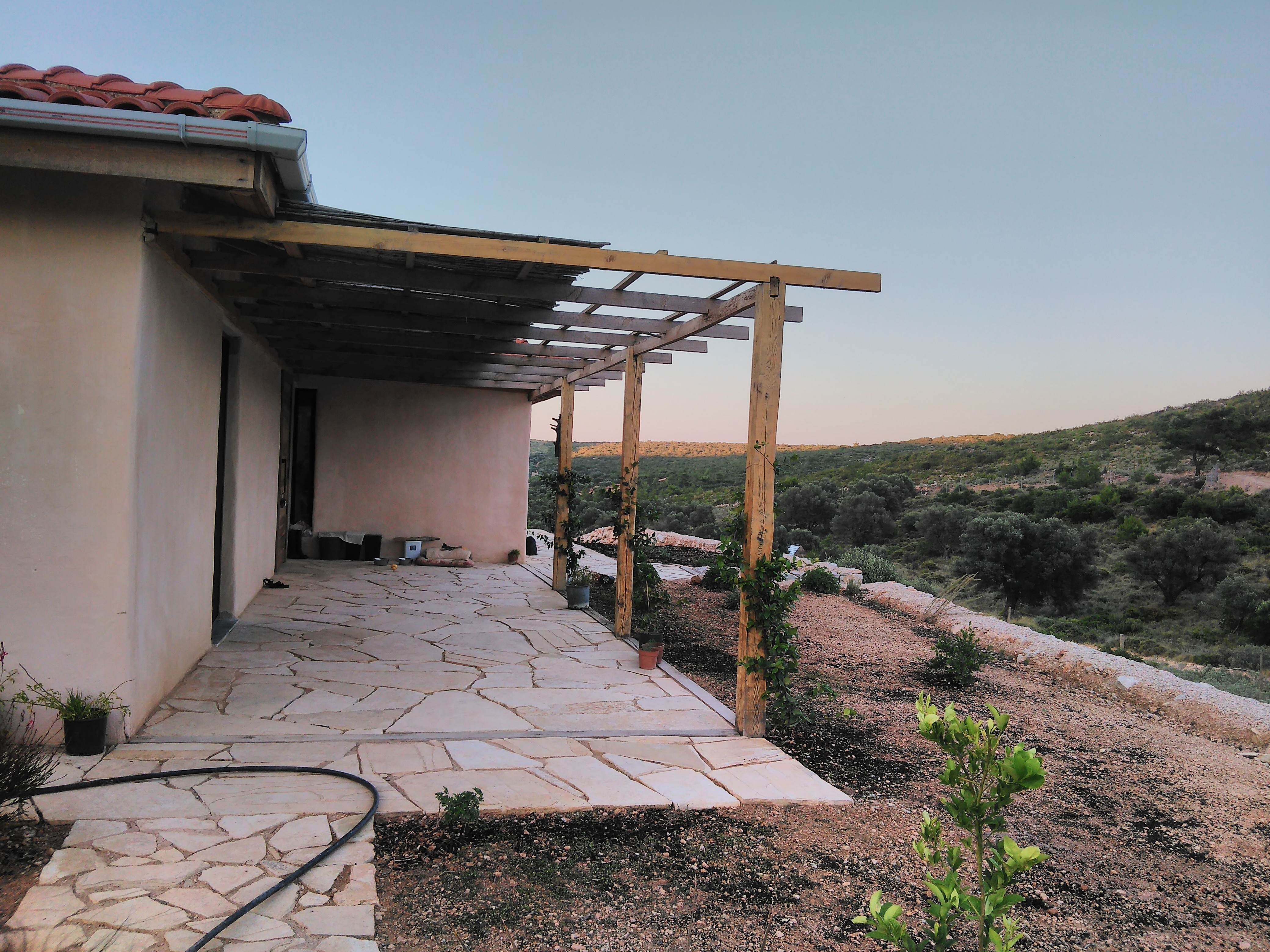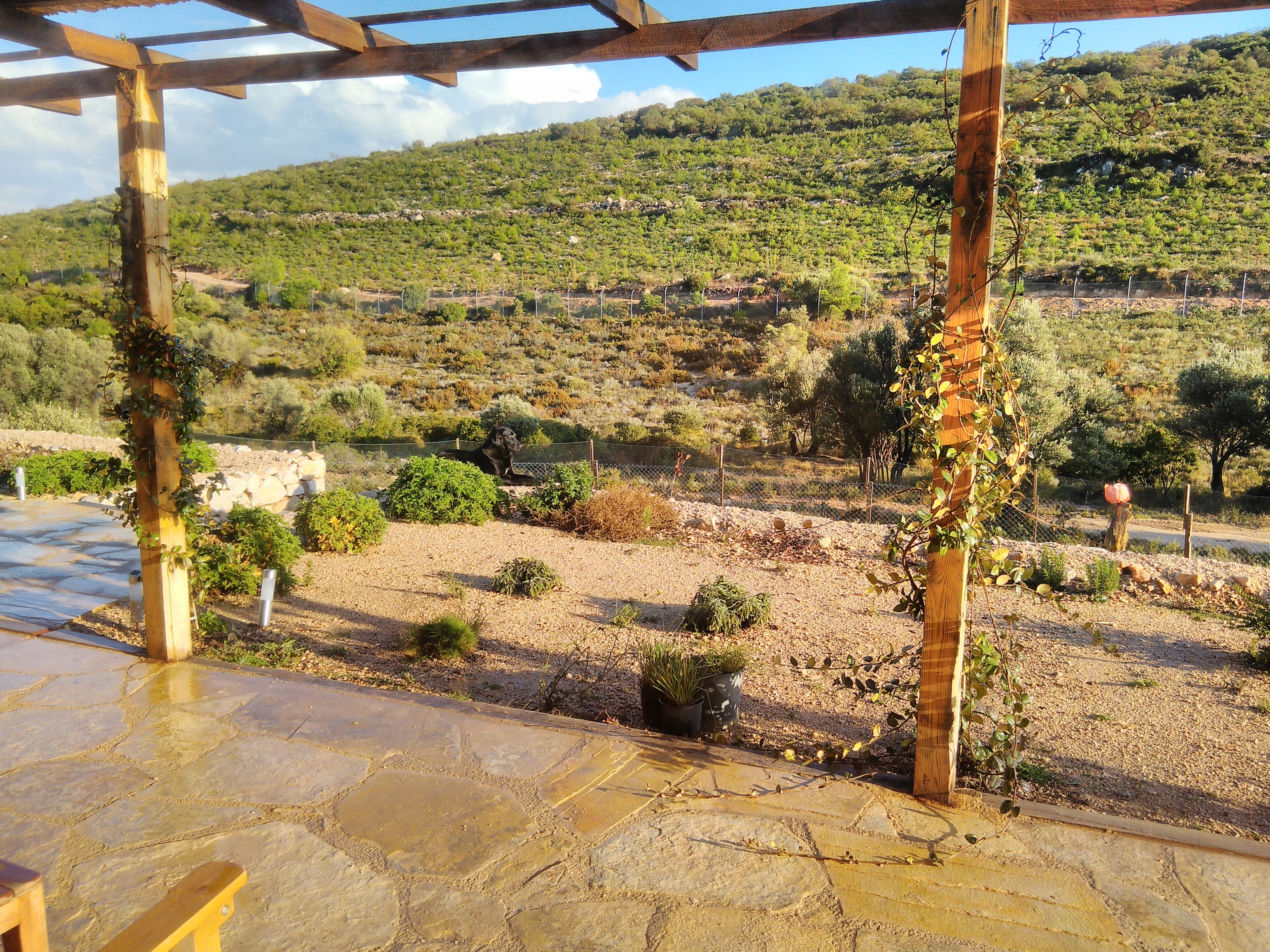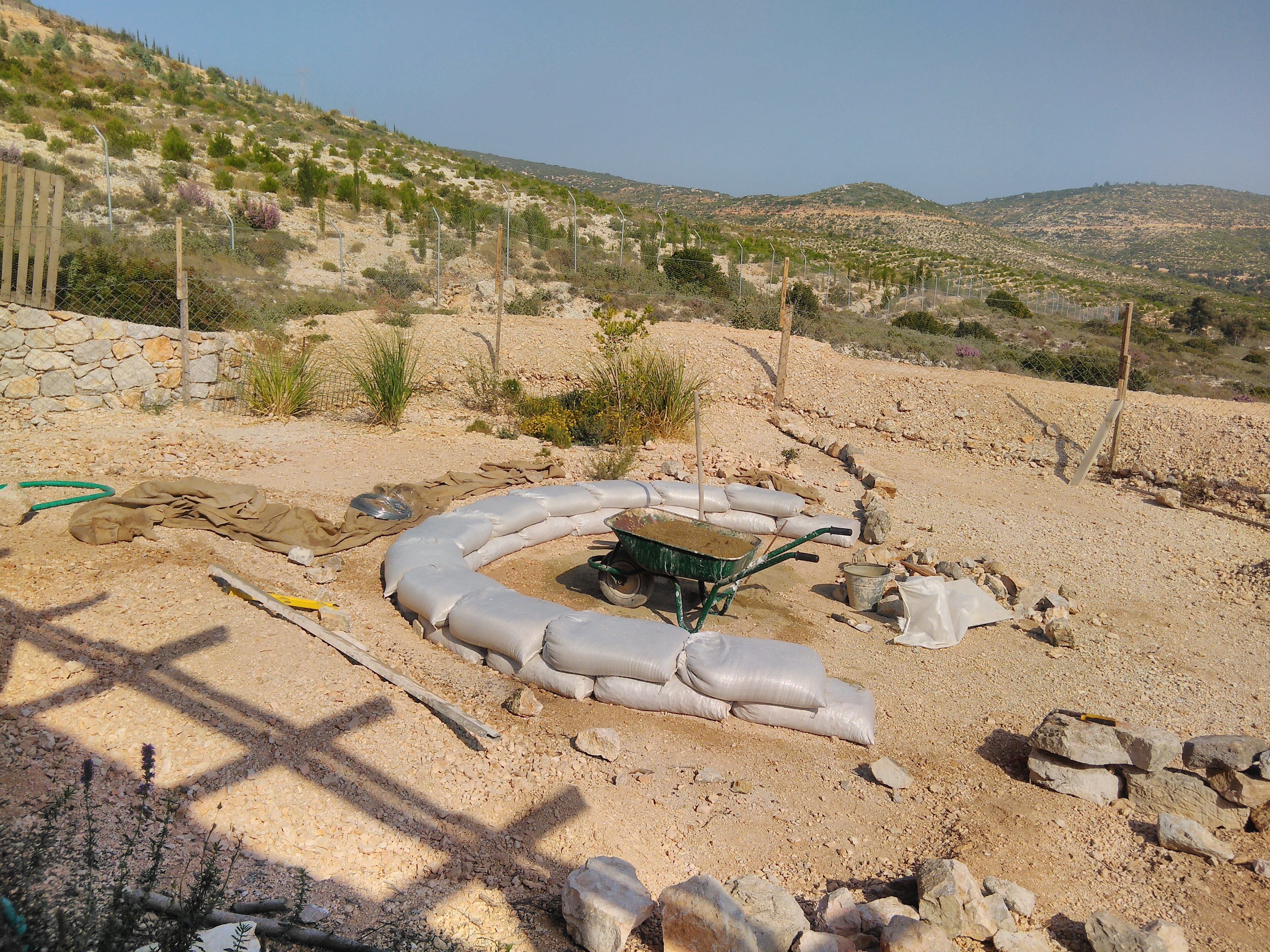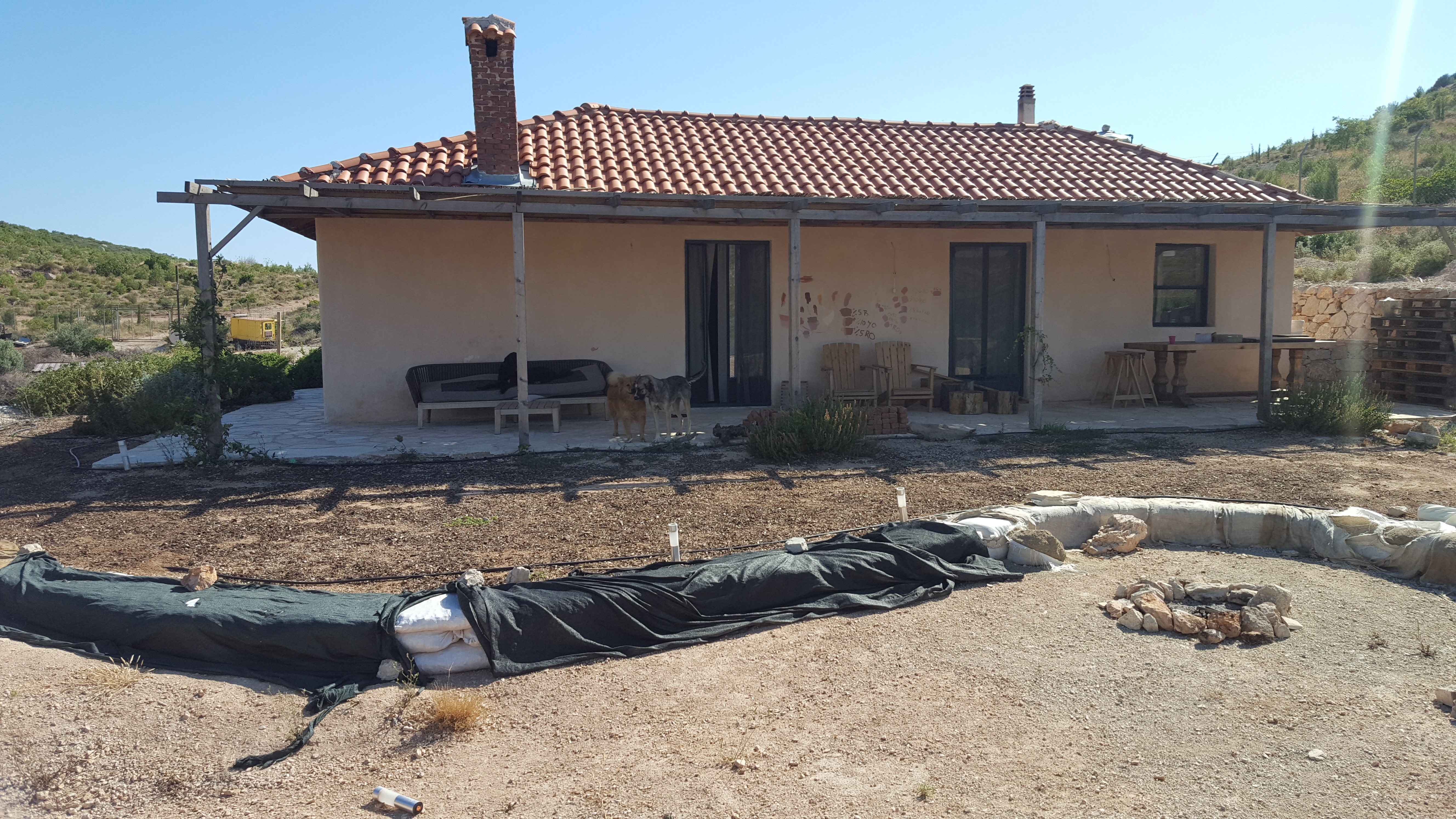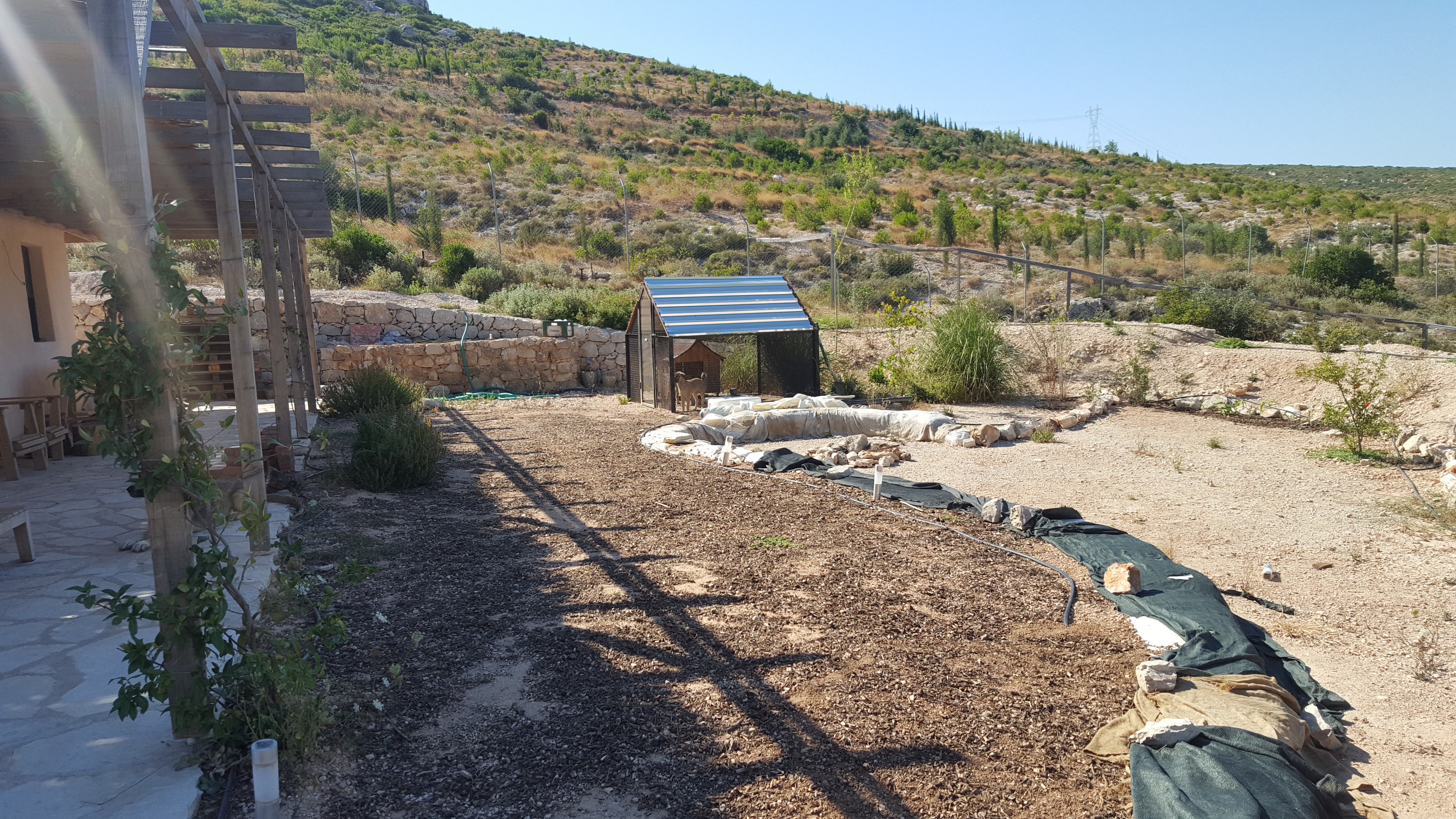
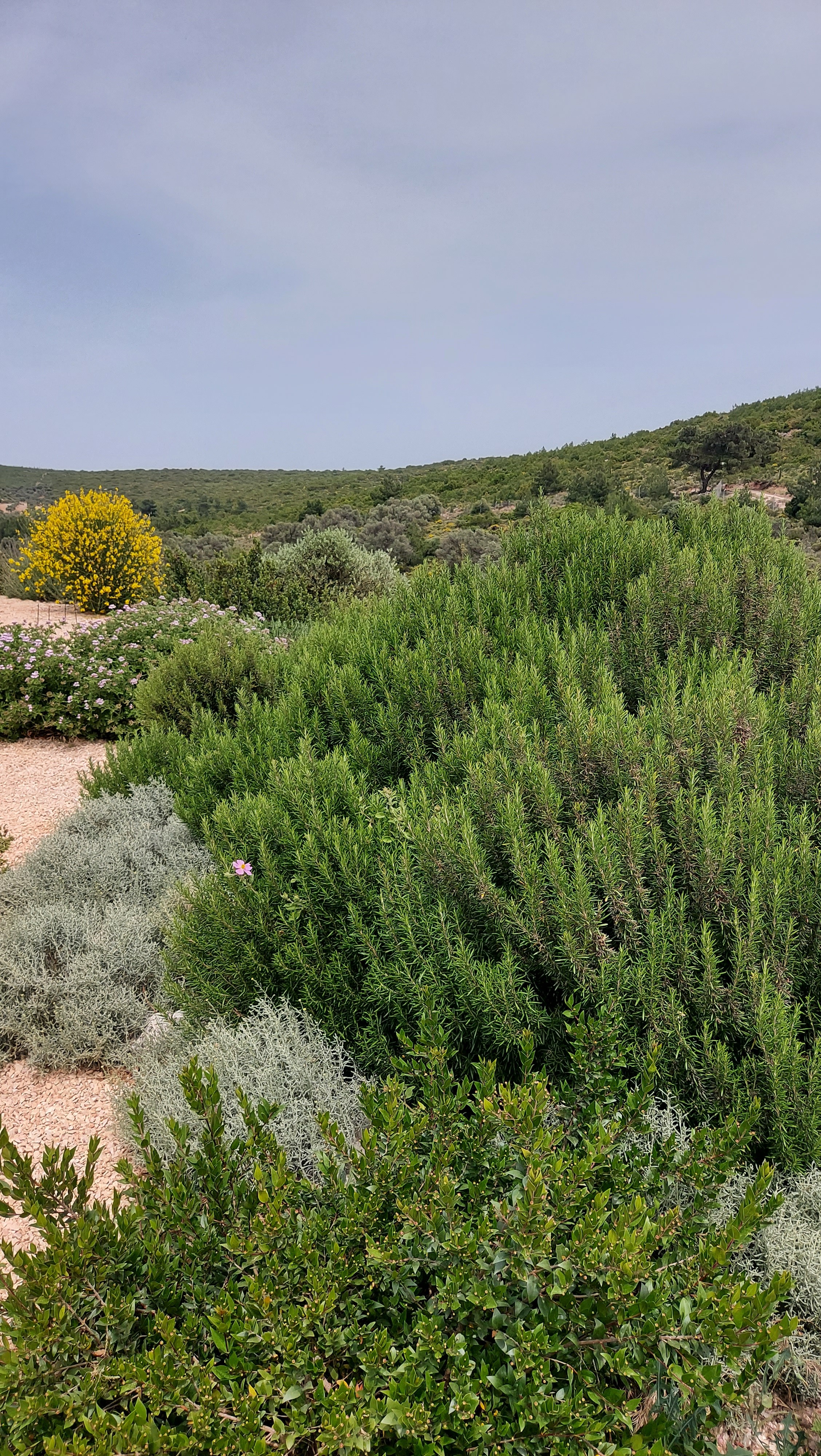
Surrounded by forest on all sides, the site sits between two opposing slopes, forming a valley that rises from north to south and remains exposed to prevailing winds. This exposure makes the land vulnerable to strong winds and wildfire, while also supporting remarkable biodiversity.
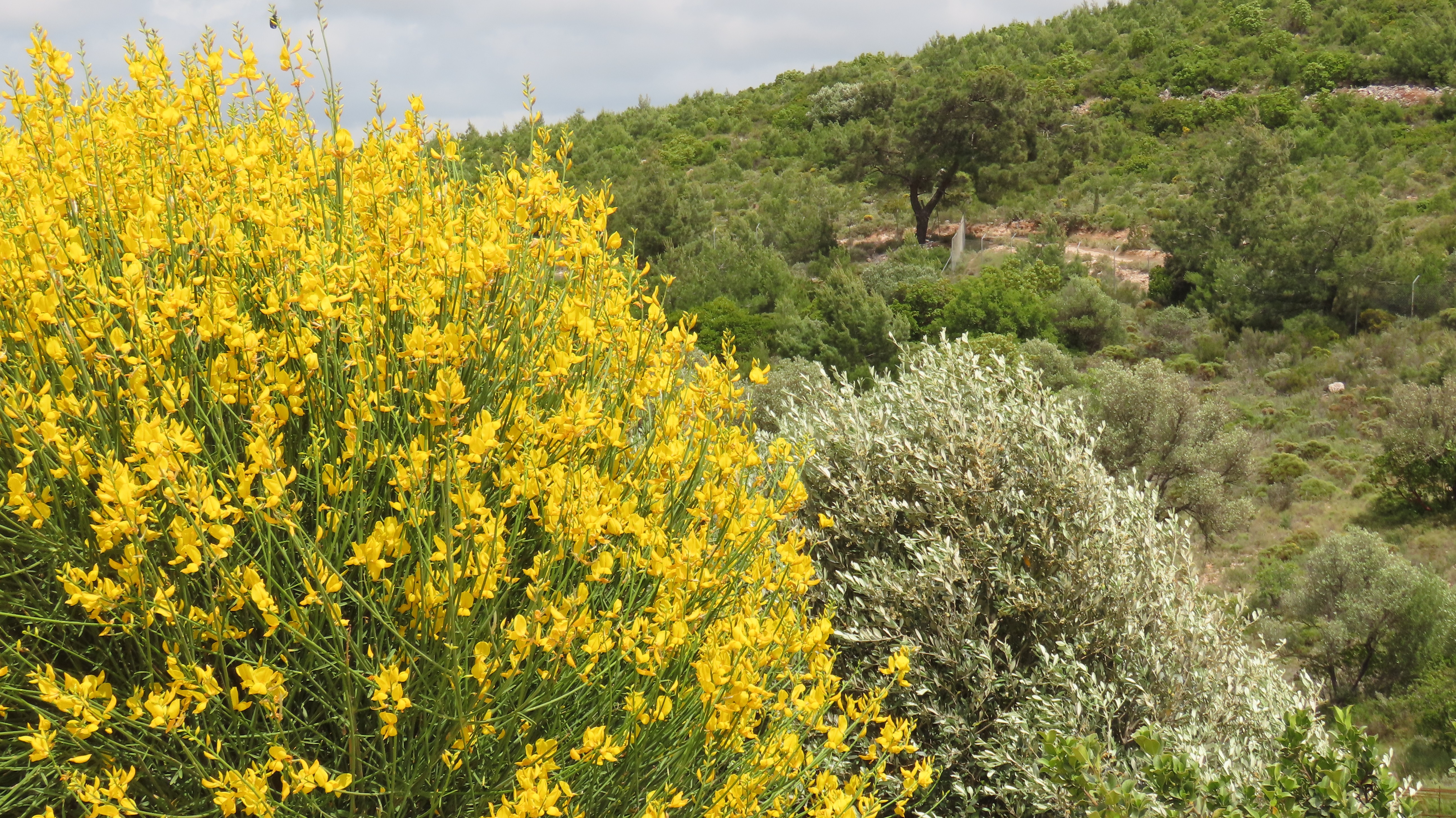
The landscape has largely been preserved in its natural state, with minimal interventions focused on resilience and coexistence. Necessary grading created ground for the houses and vegetable areas.
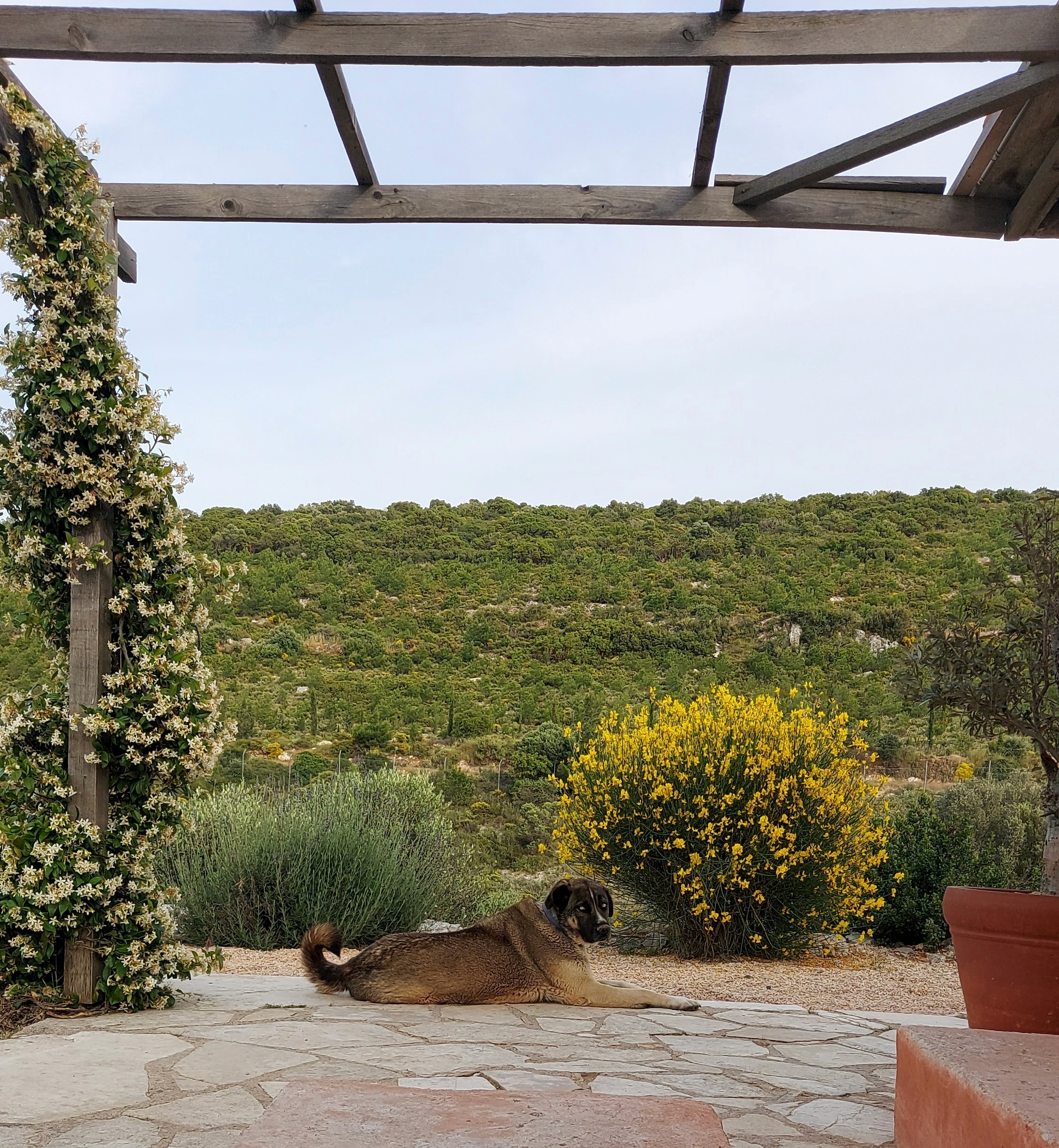
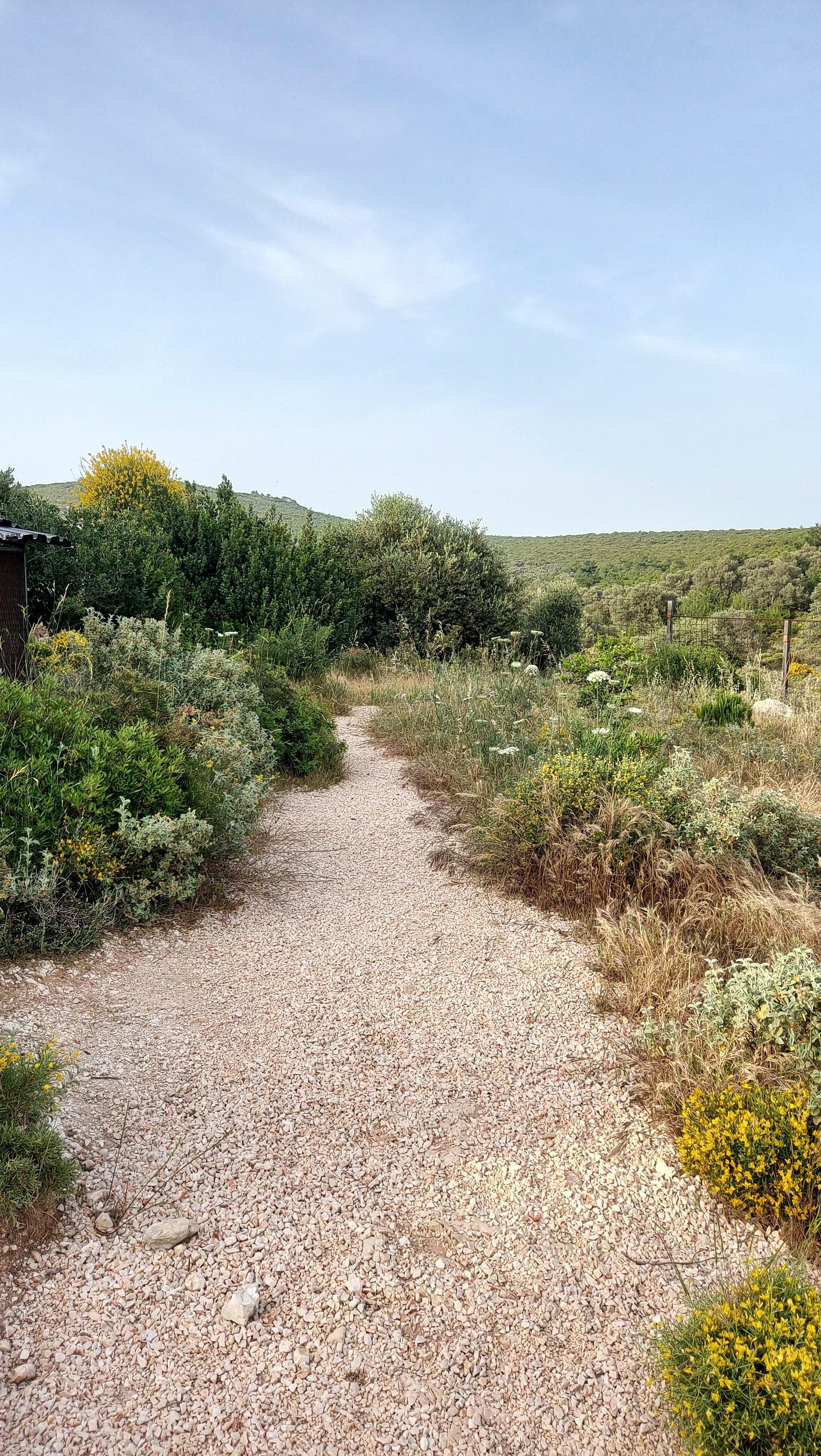
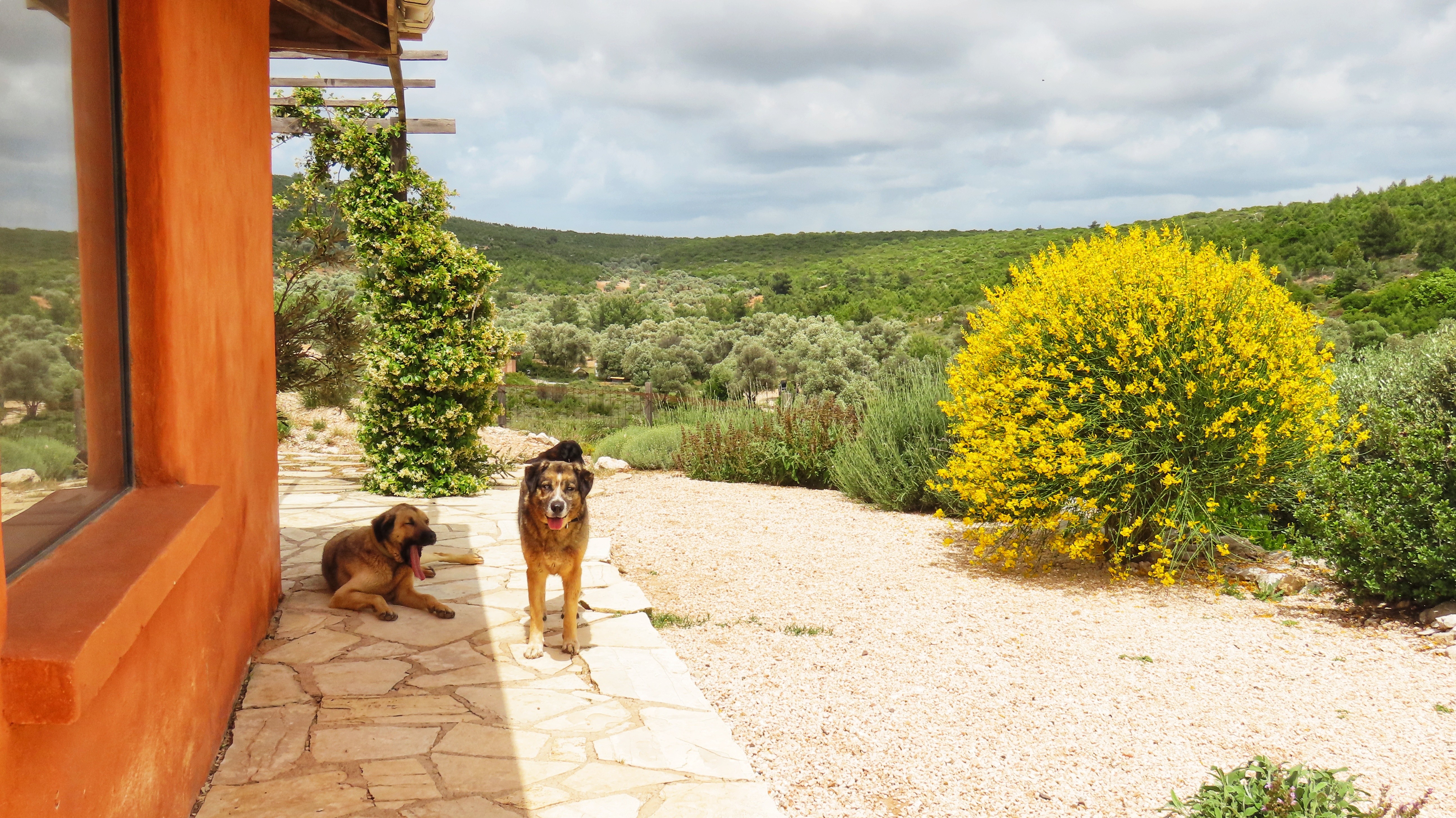
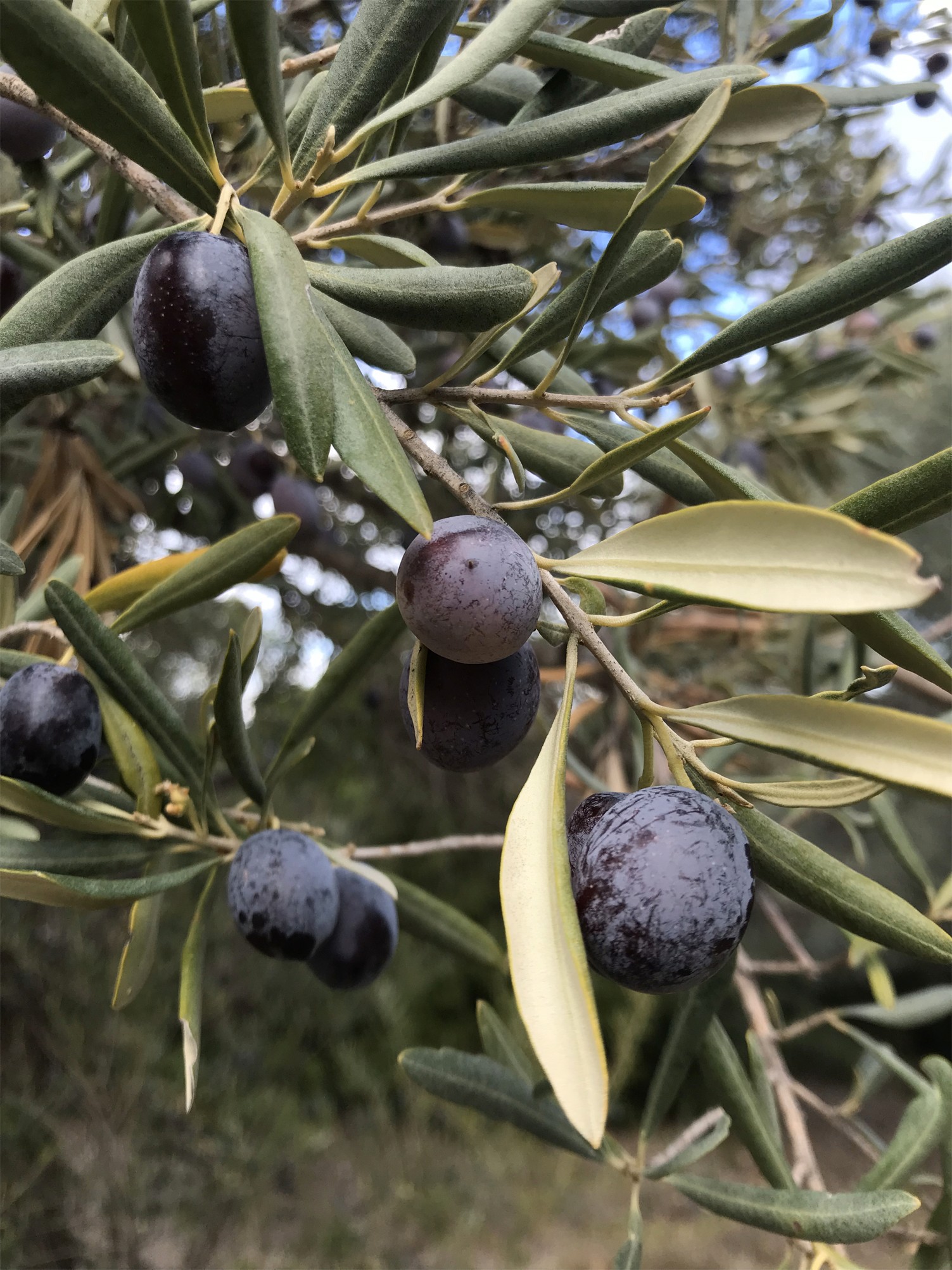
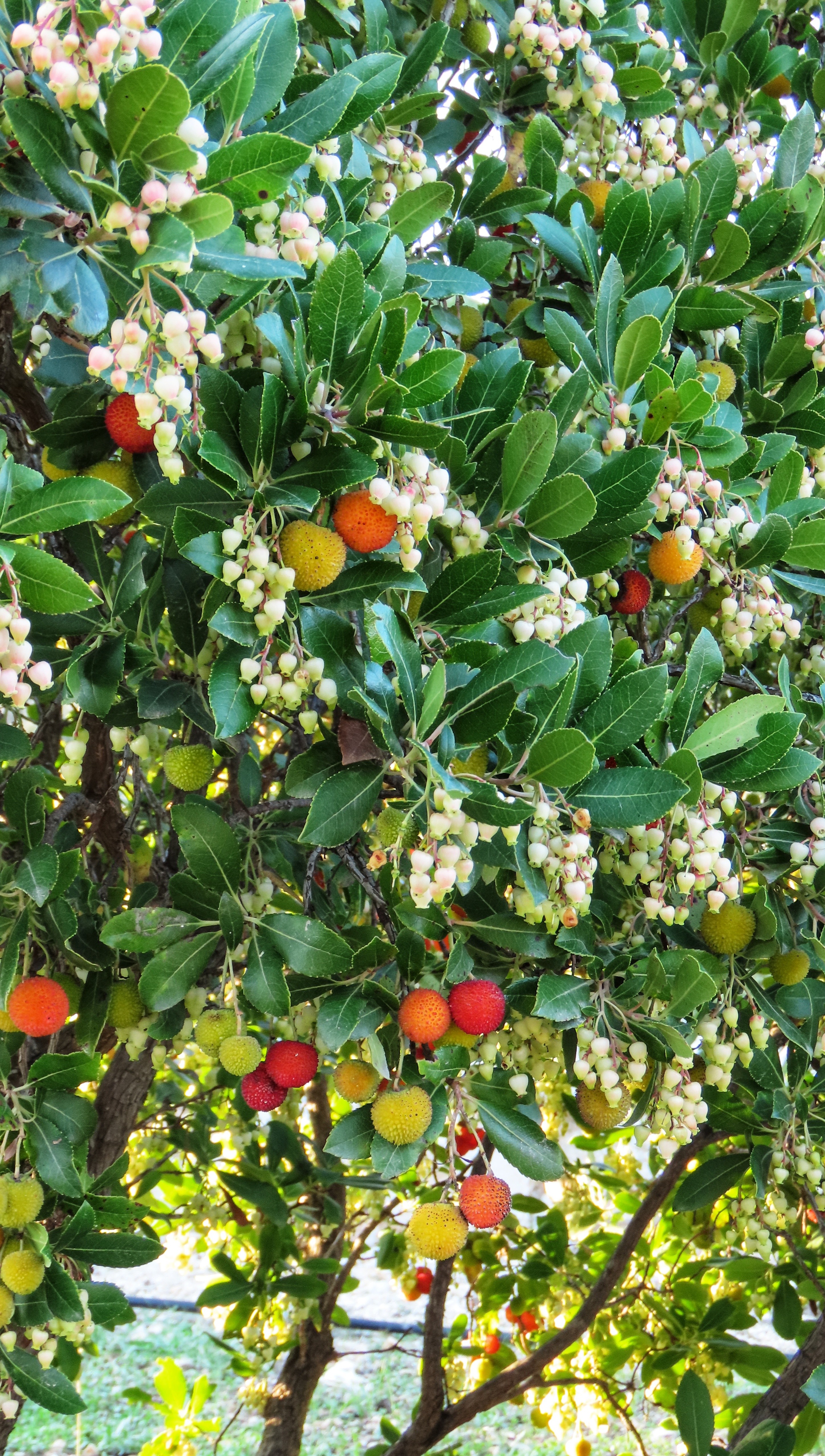
Planting was developed in continuity with the site’s ecology, using only local and climate-adapted species to maintain a balance between the forest edge and cultivated areas. Across the wider land, native trees such as mastic, olive, and carob were planted in keeping with the site’s existing vegetation. These species thrive without irrigation or maintenance, regenerate after fire, and provide long-term ecological and economic value while offering shelter and food for wildlife. Additional fruit trees and shrubs were introduced to complement this system and support small-scale food production.
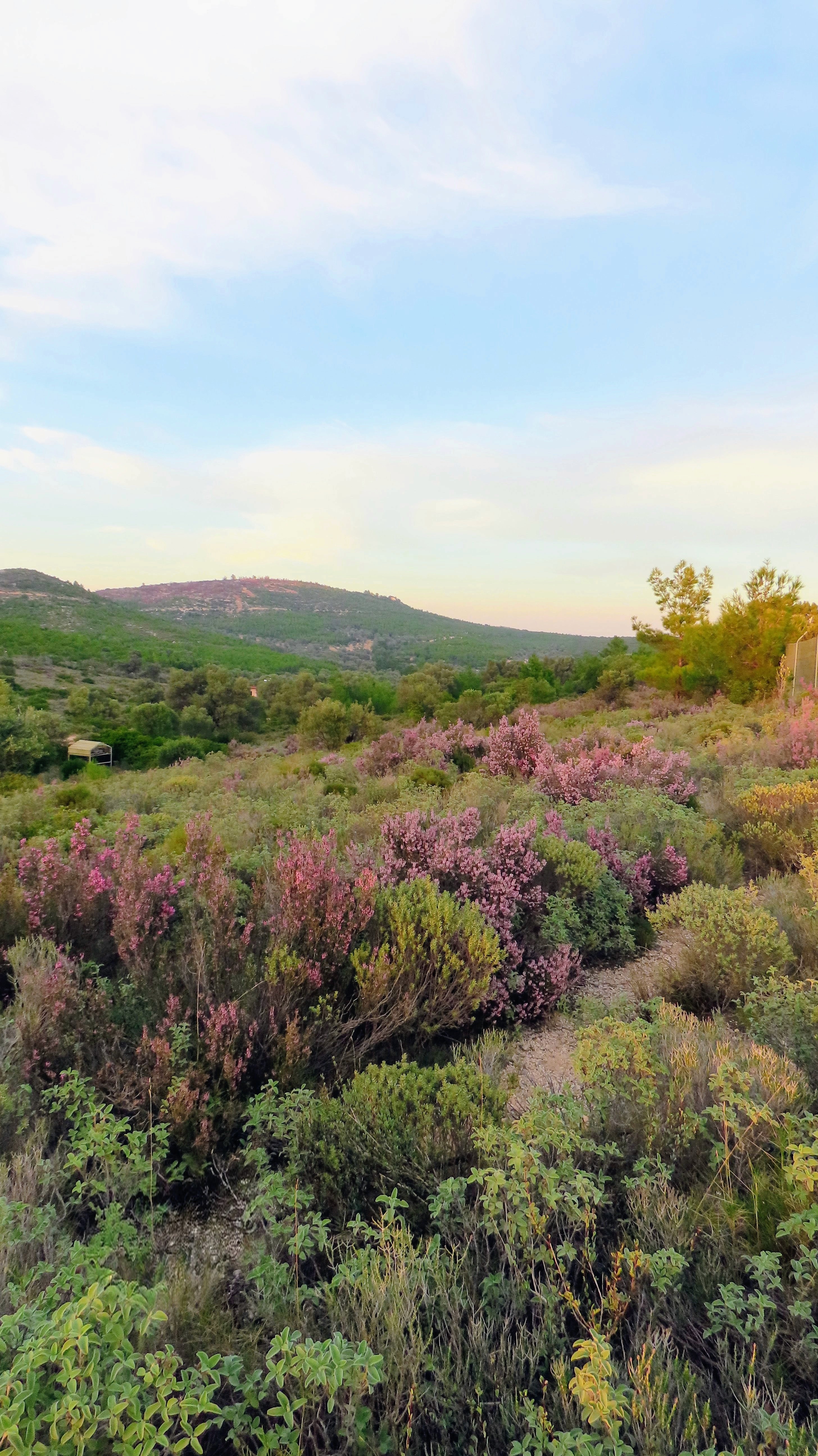
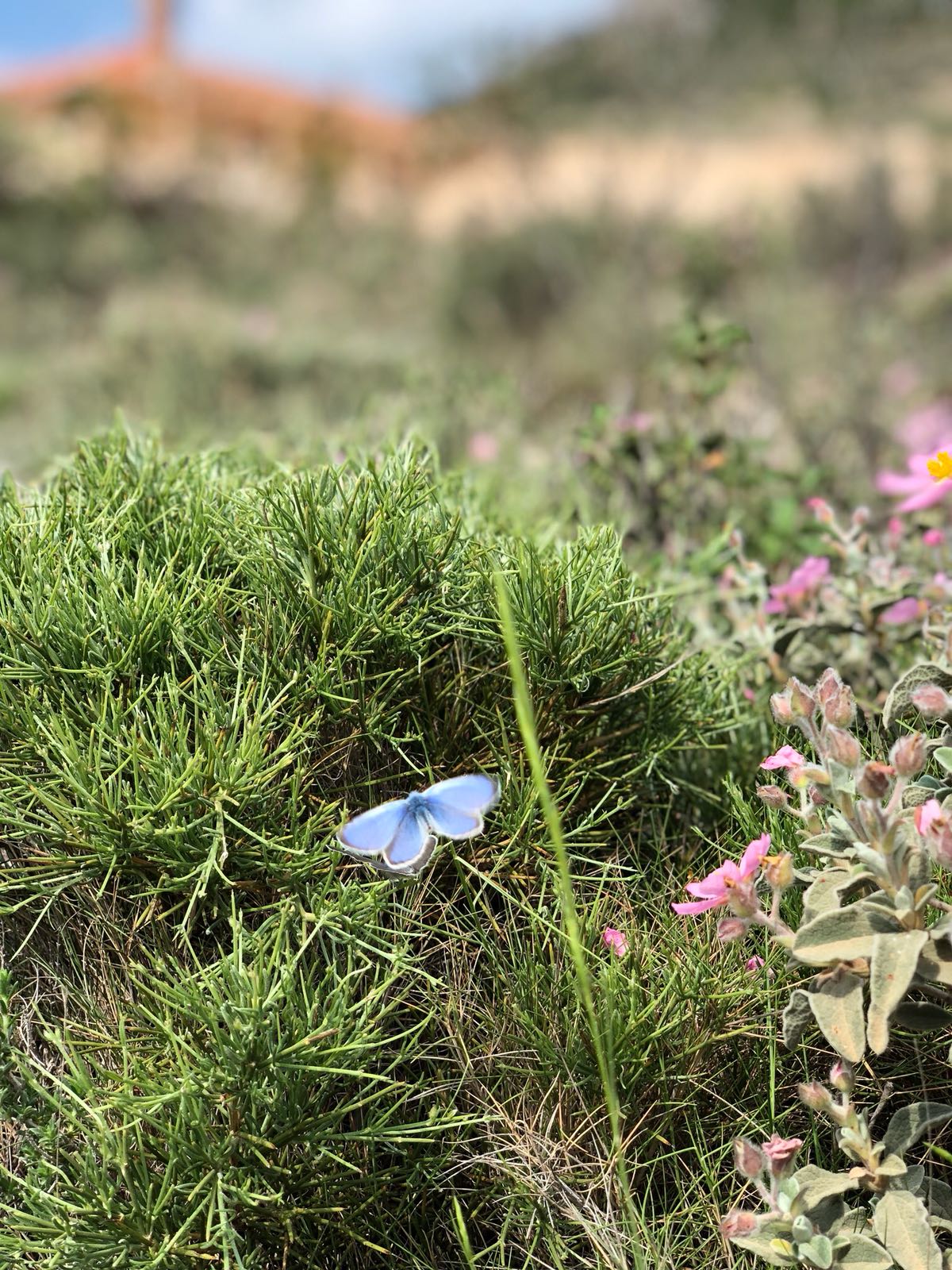
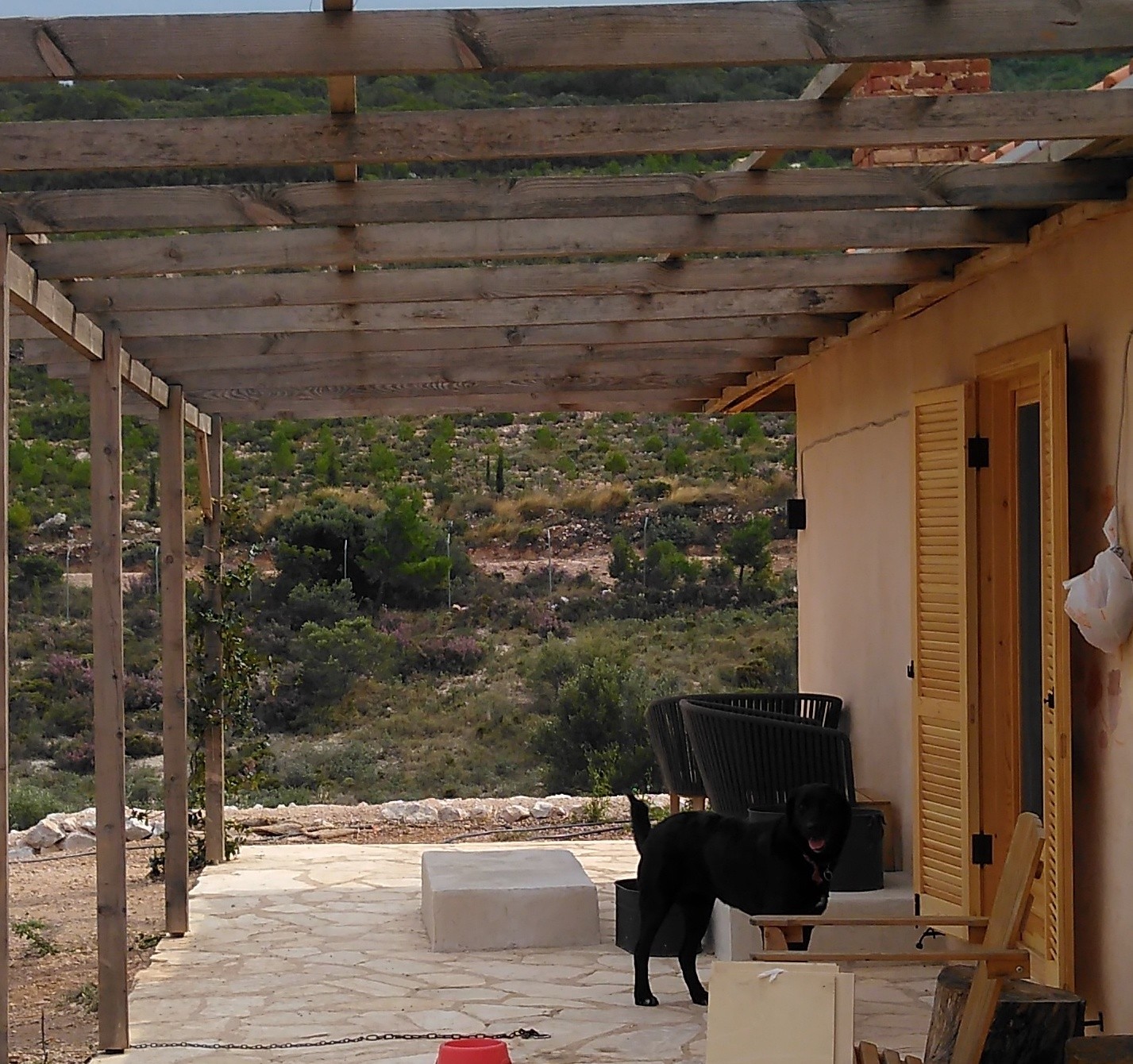
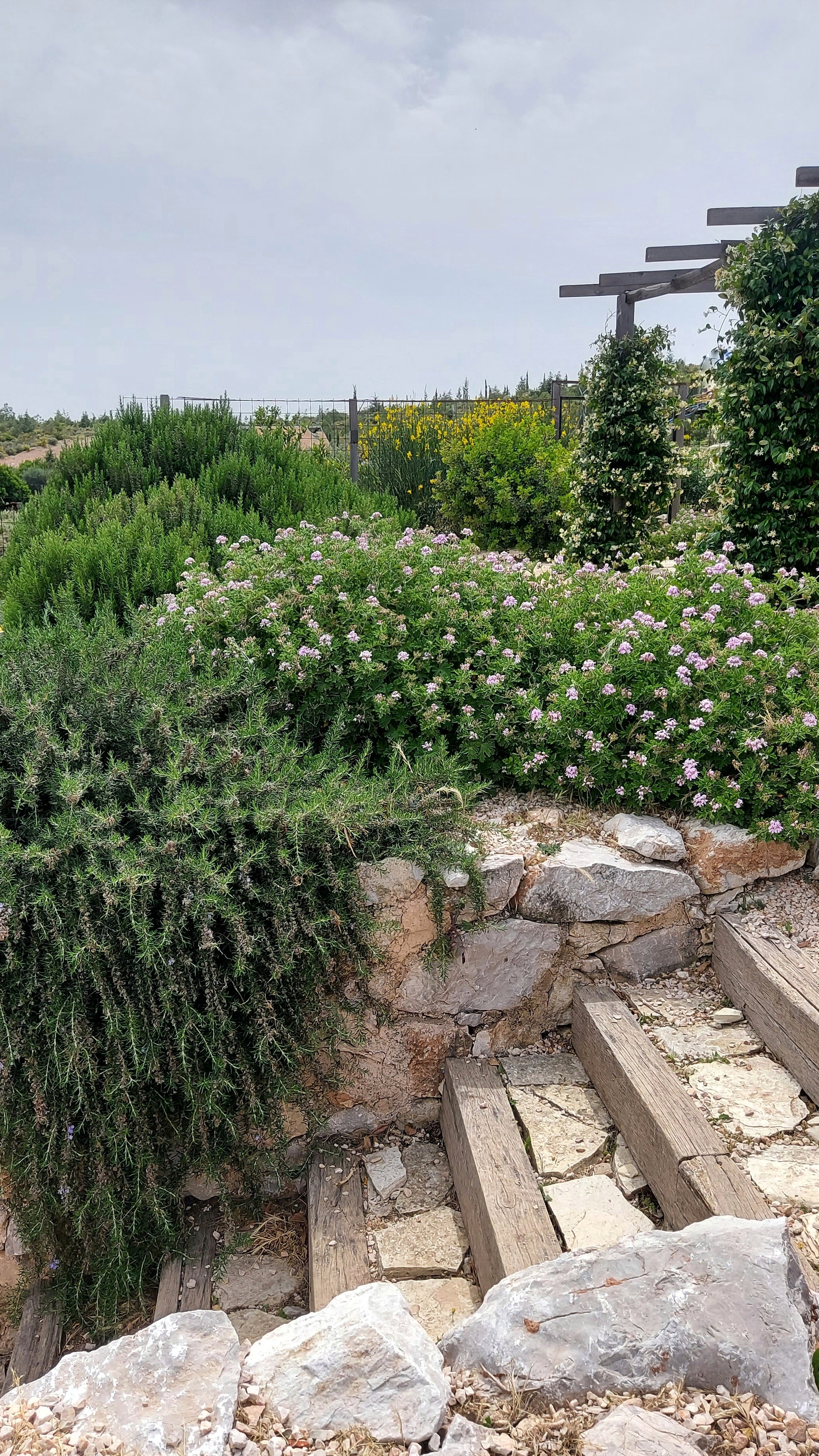
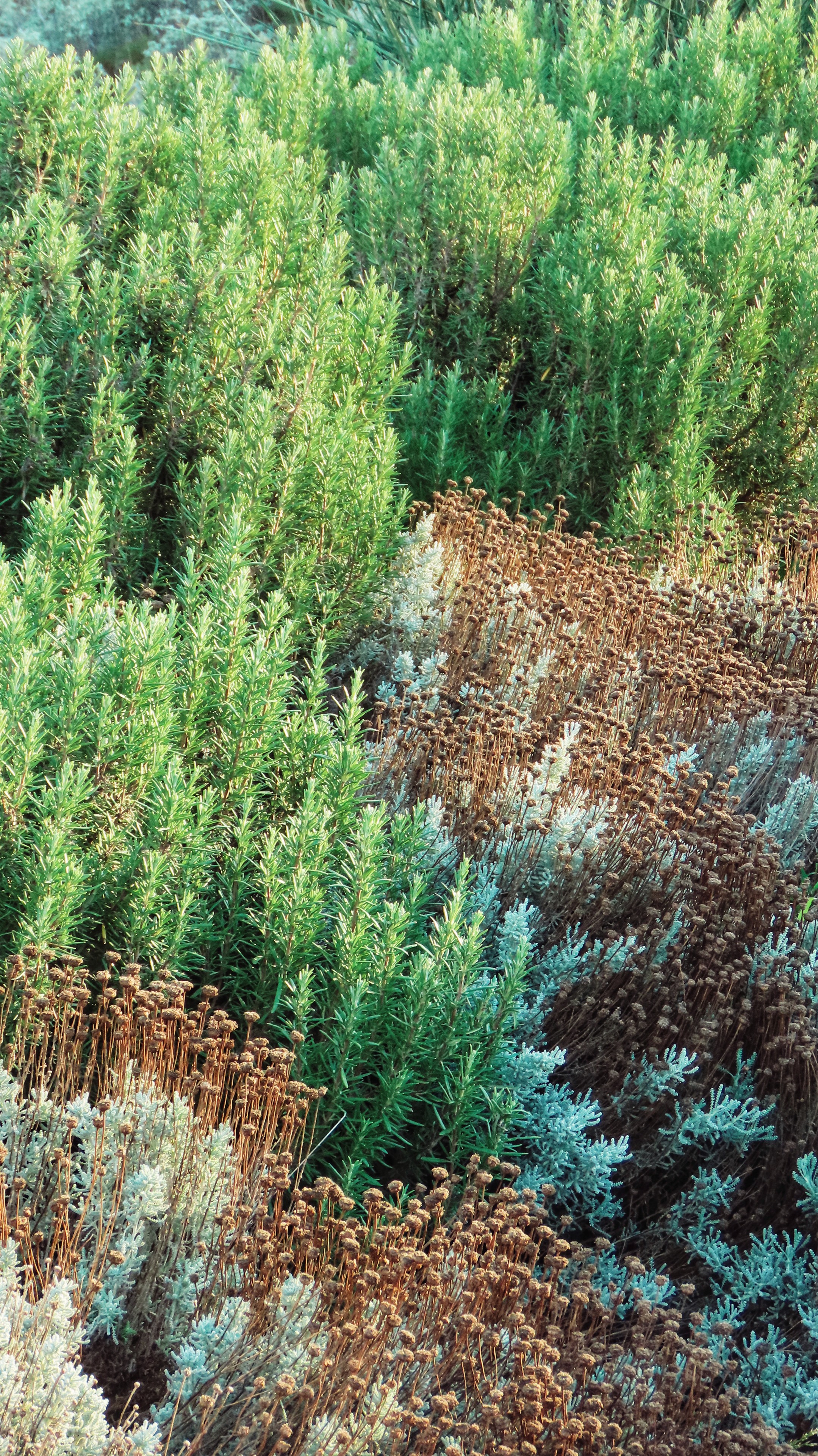
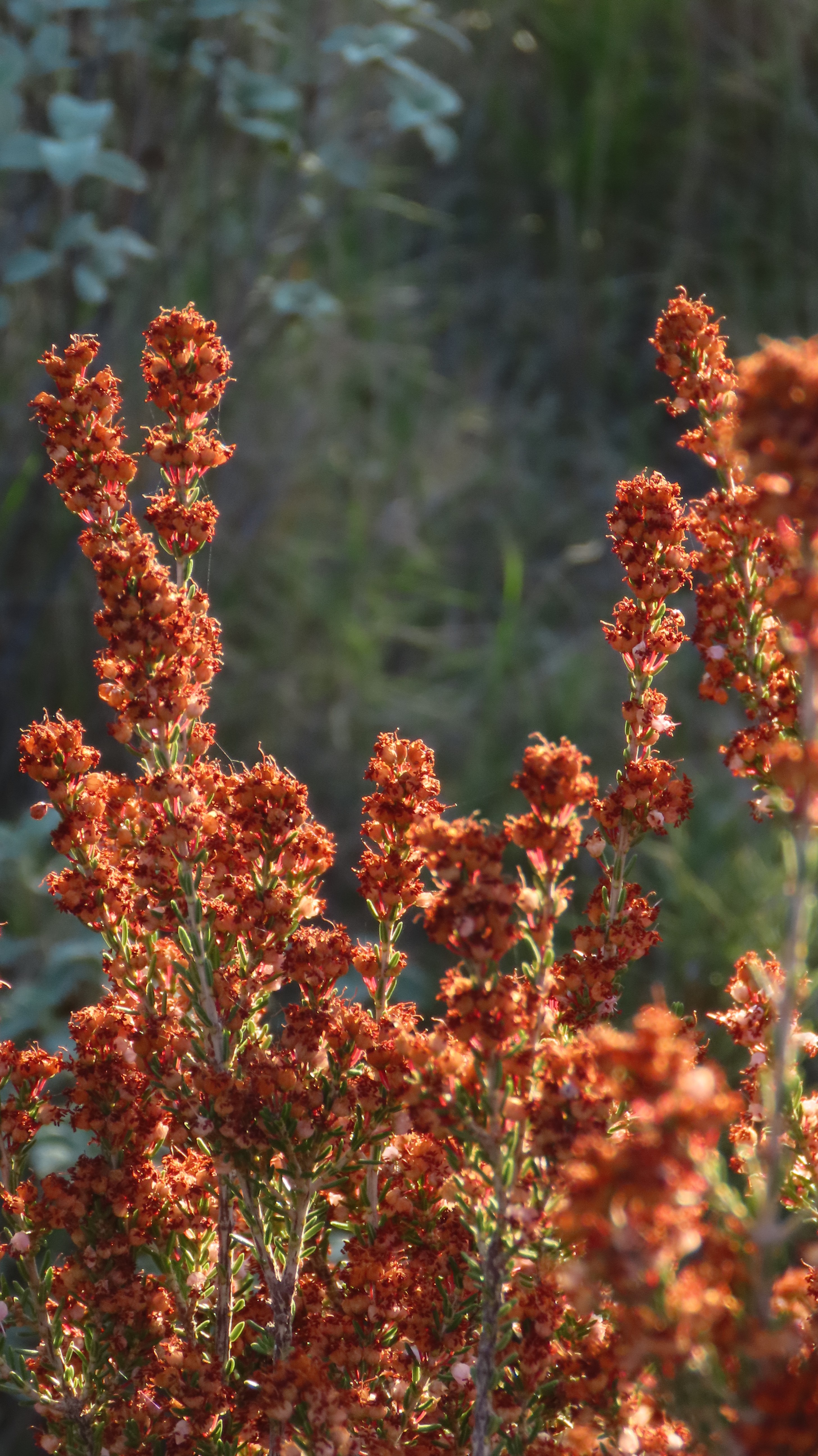
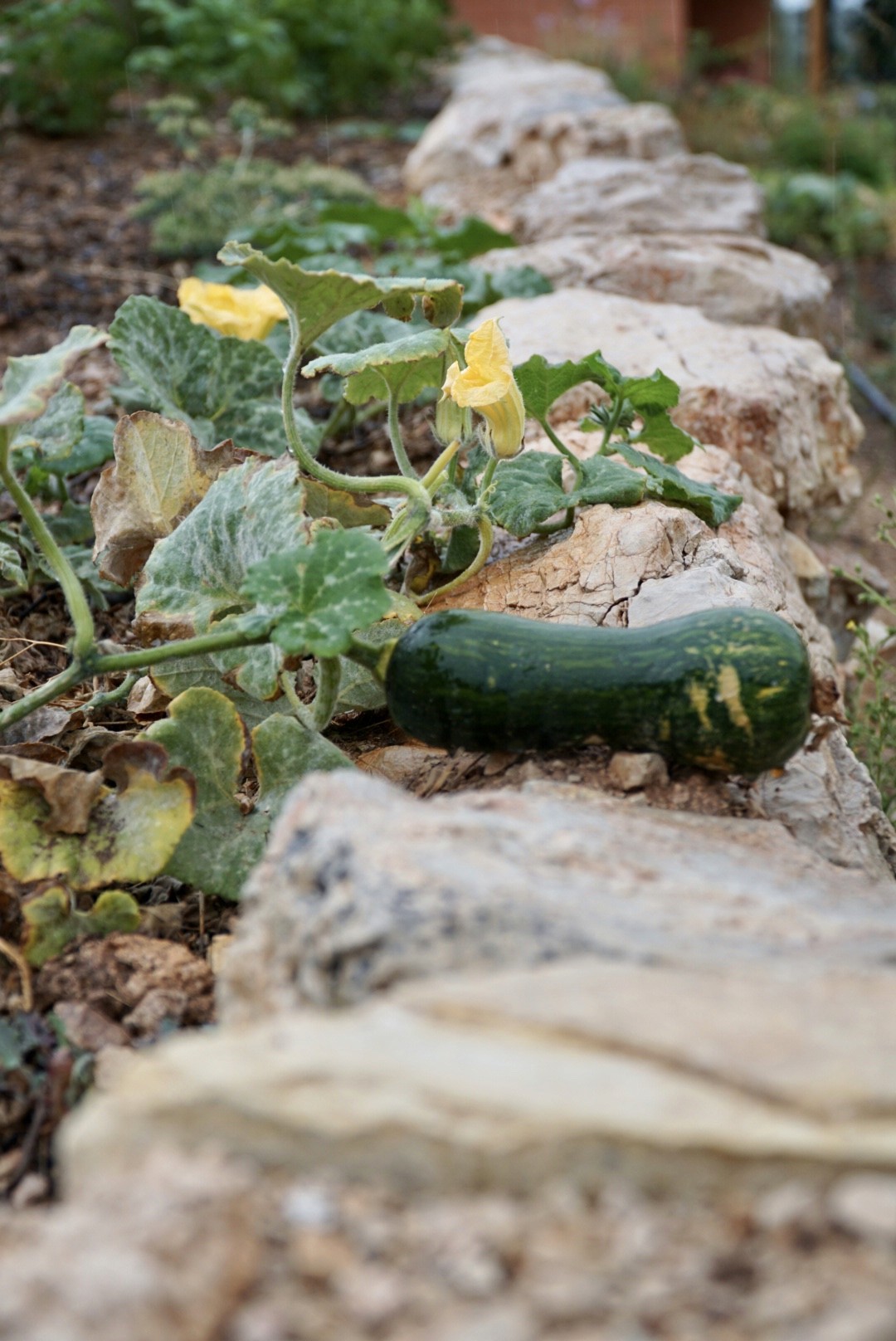
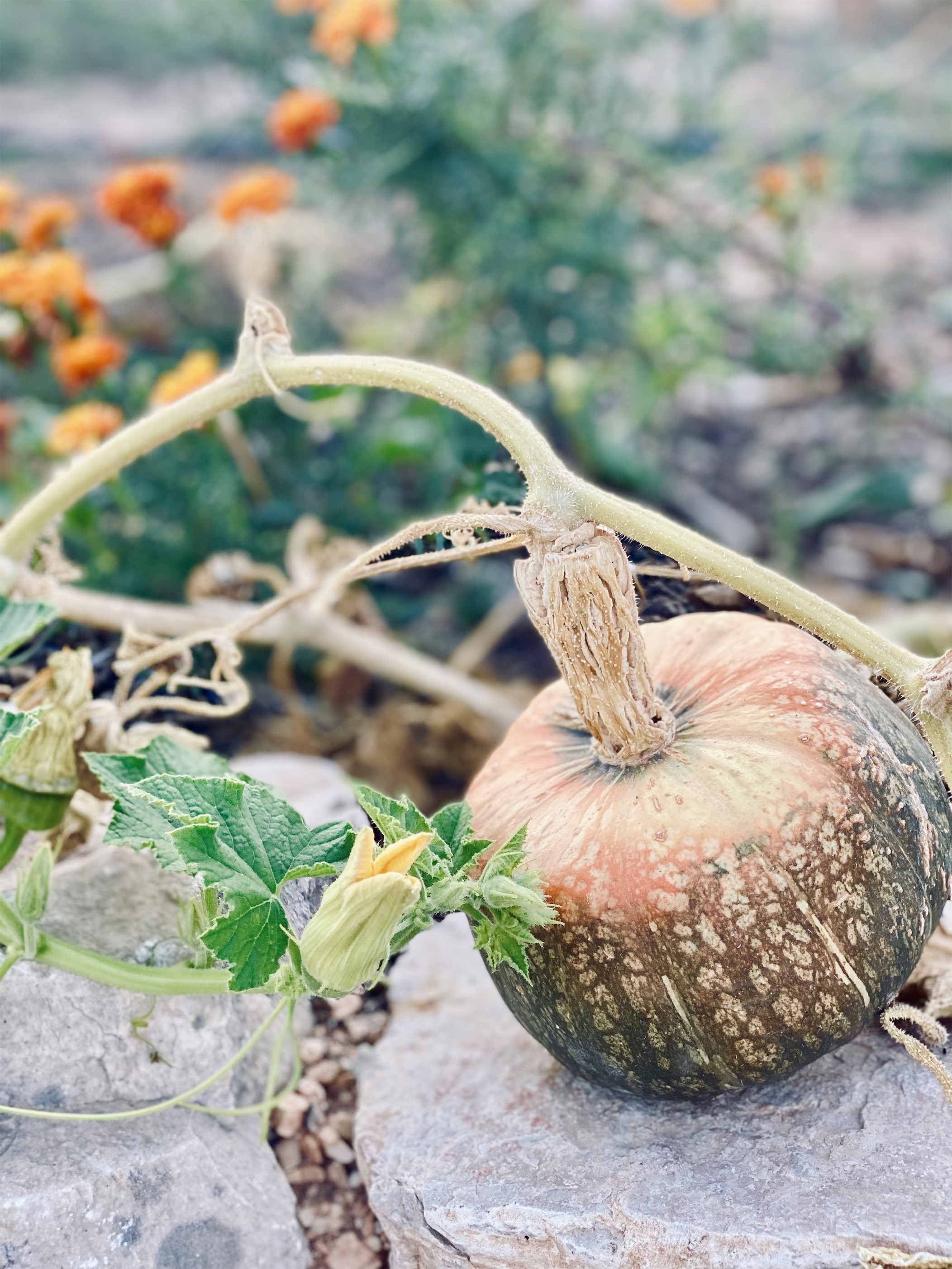
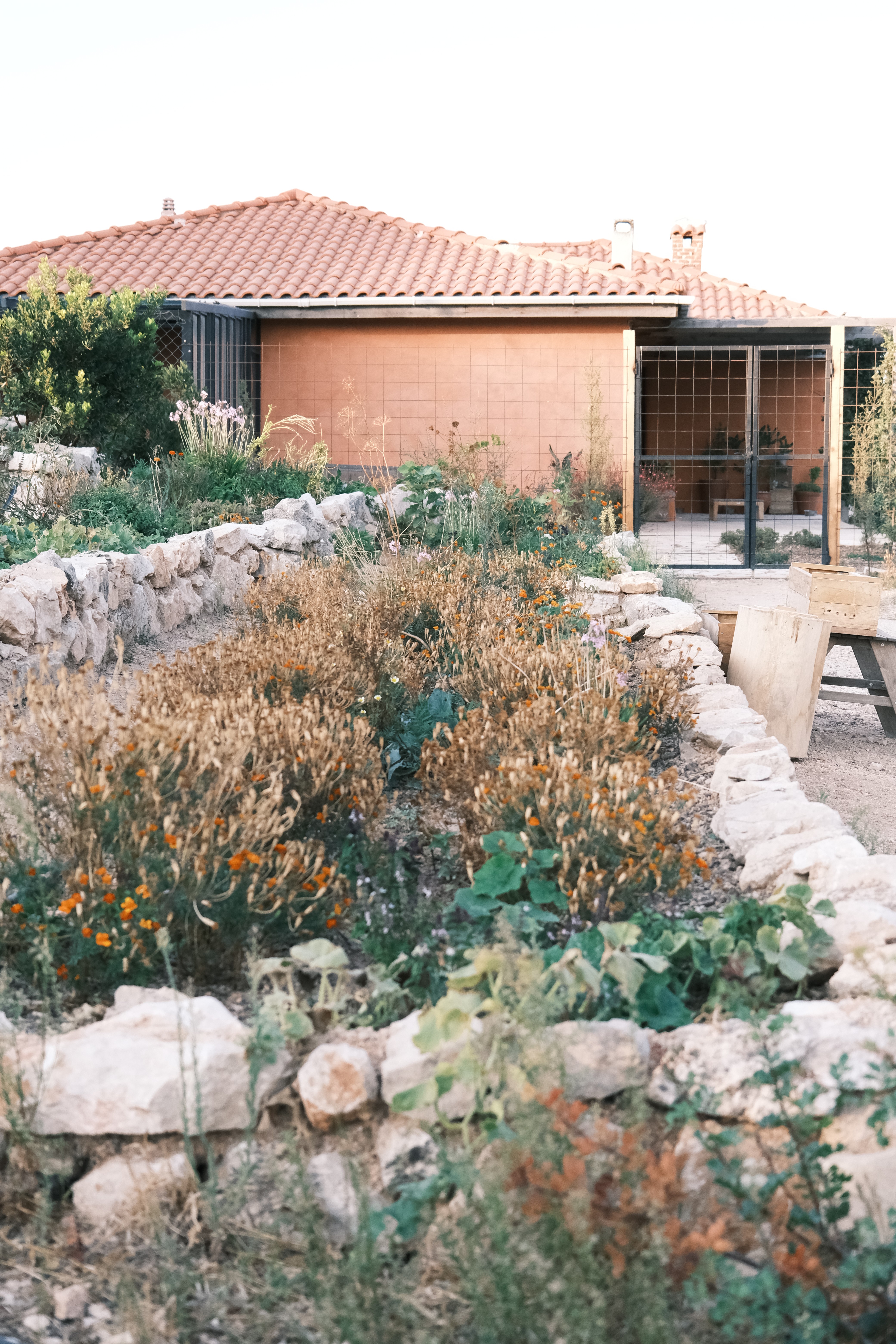
Closer to the living areas, planting shifts in scale and intention. Vegetable plots and garden spaces are integrated with outdoor kitchen, seating areas, and daily-use zones, forming a more intimate garden condition. Here, ornamental planting is guided by climate performance rather than appearance alone. Mediterranean herbs, wildflowers and drought-tolerant perennials were selected for their ability to attract pollinators, provide habitat, and thrive with minimal water, creating a garden that is visually rich while remaining ecologically grounded.
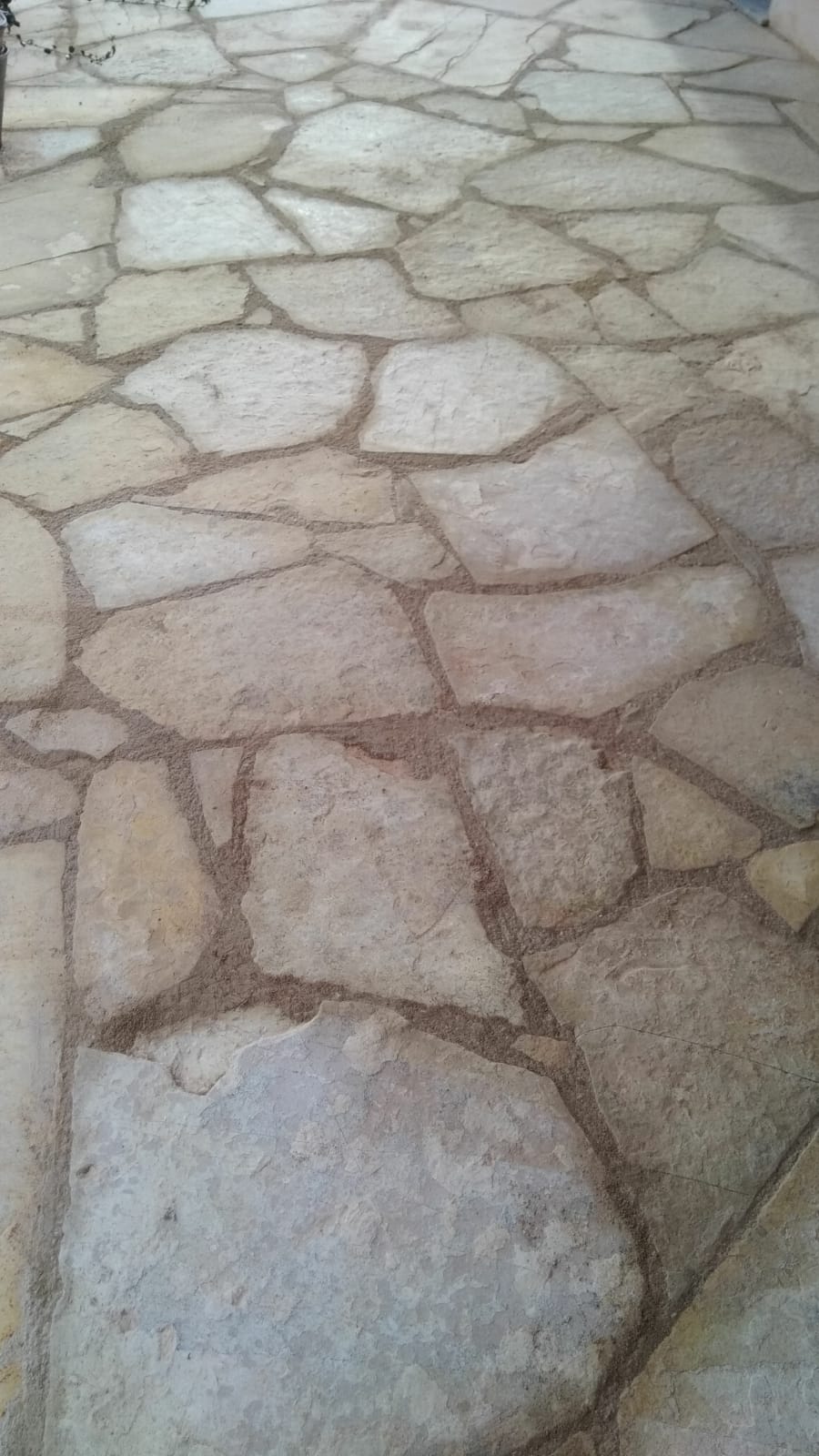
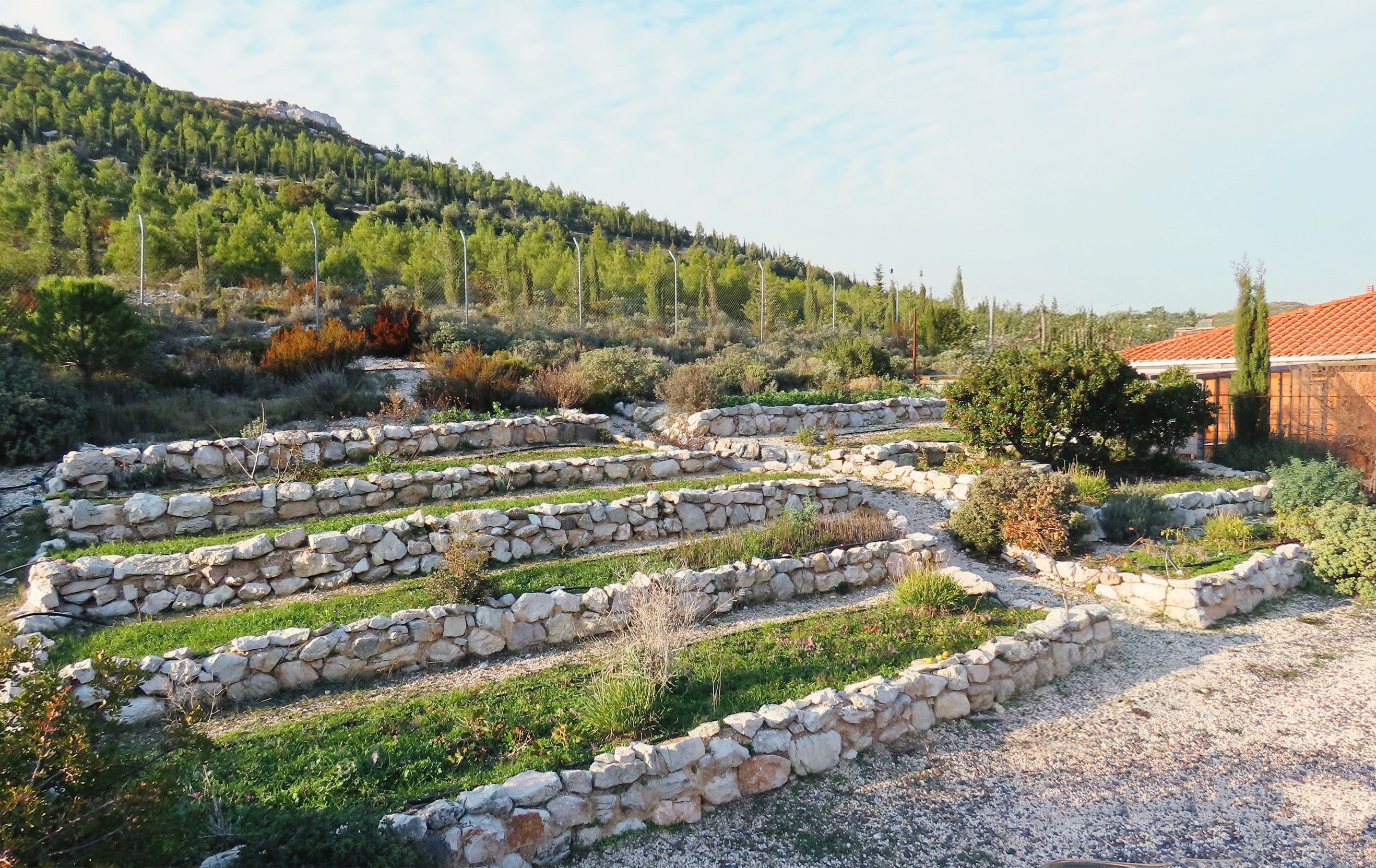
Gravel paths and low stone terraces were introduced around the domestic areas, maintaining the integrity of the rocky Mediterranean terrain. Rainwater harvesting was also integrated into the design, with french drains directing runoff into an underground tank, responding directly to the land’s topography.
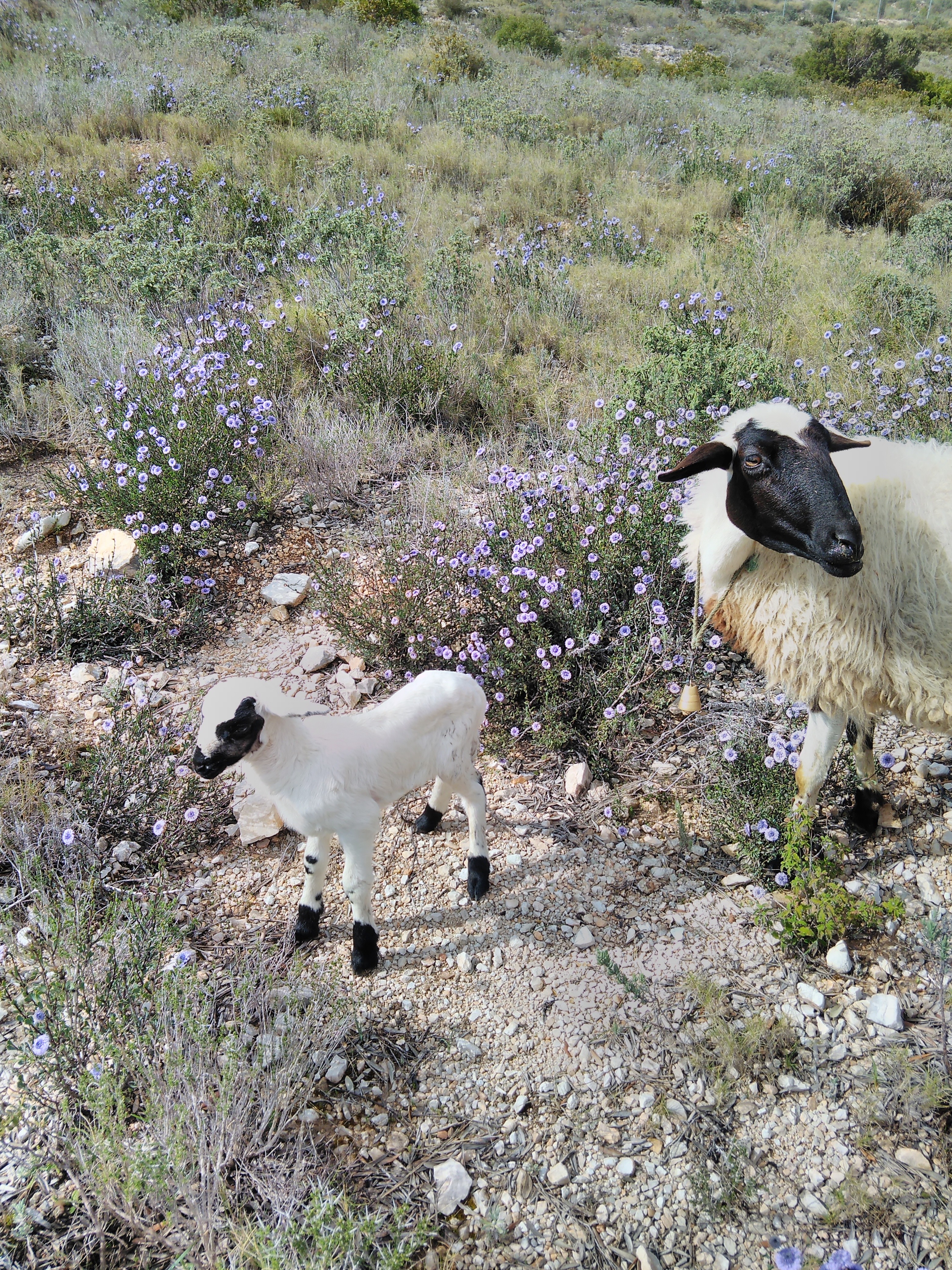
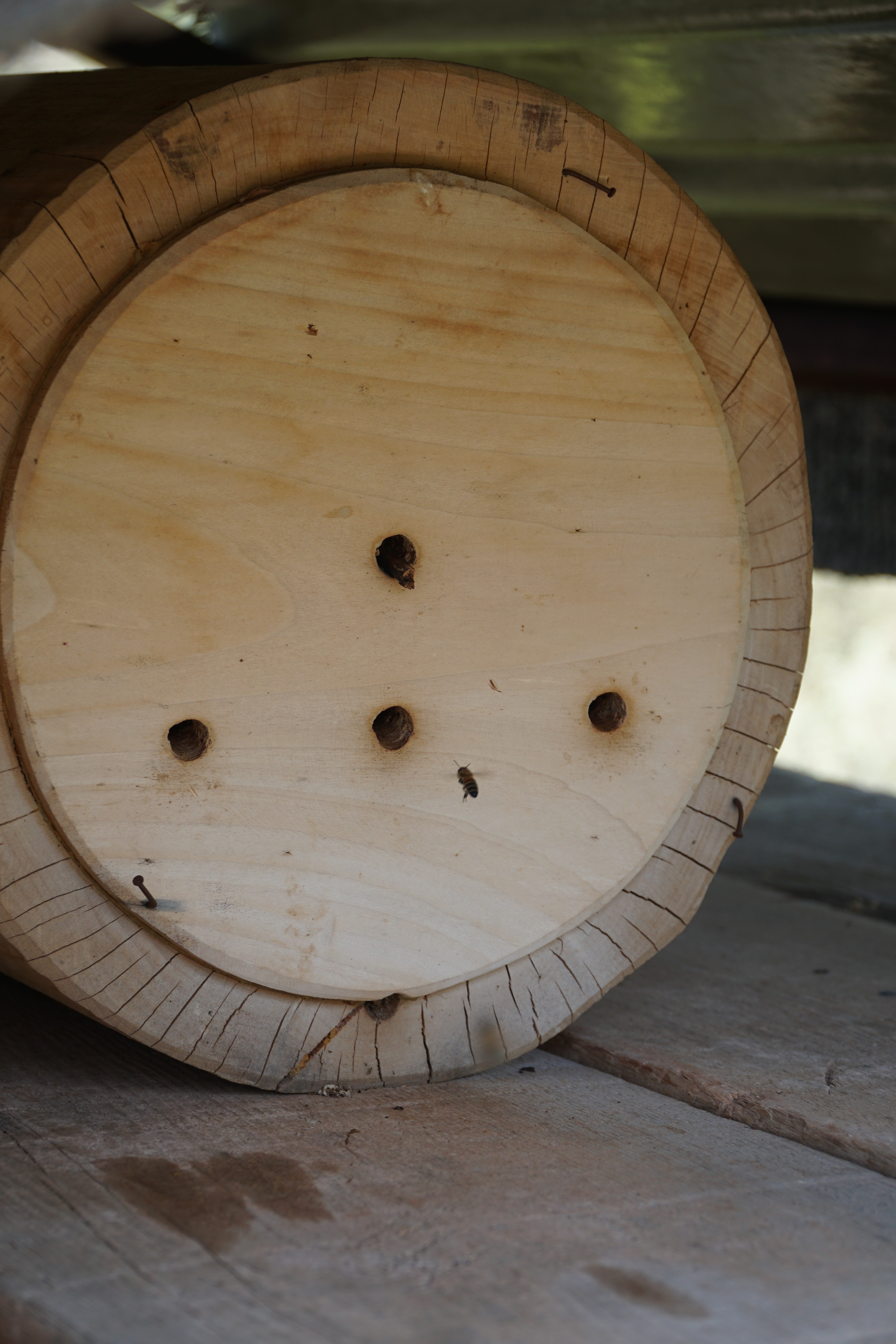
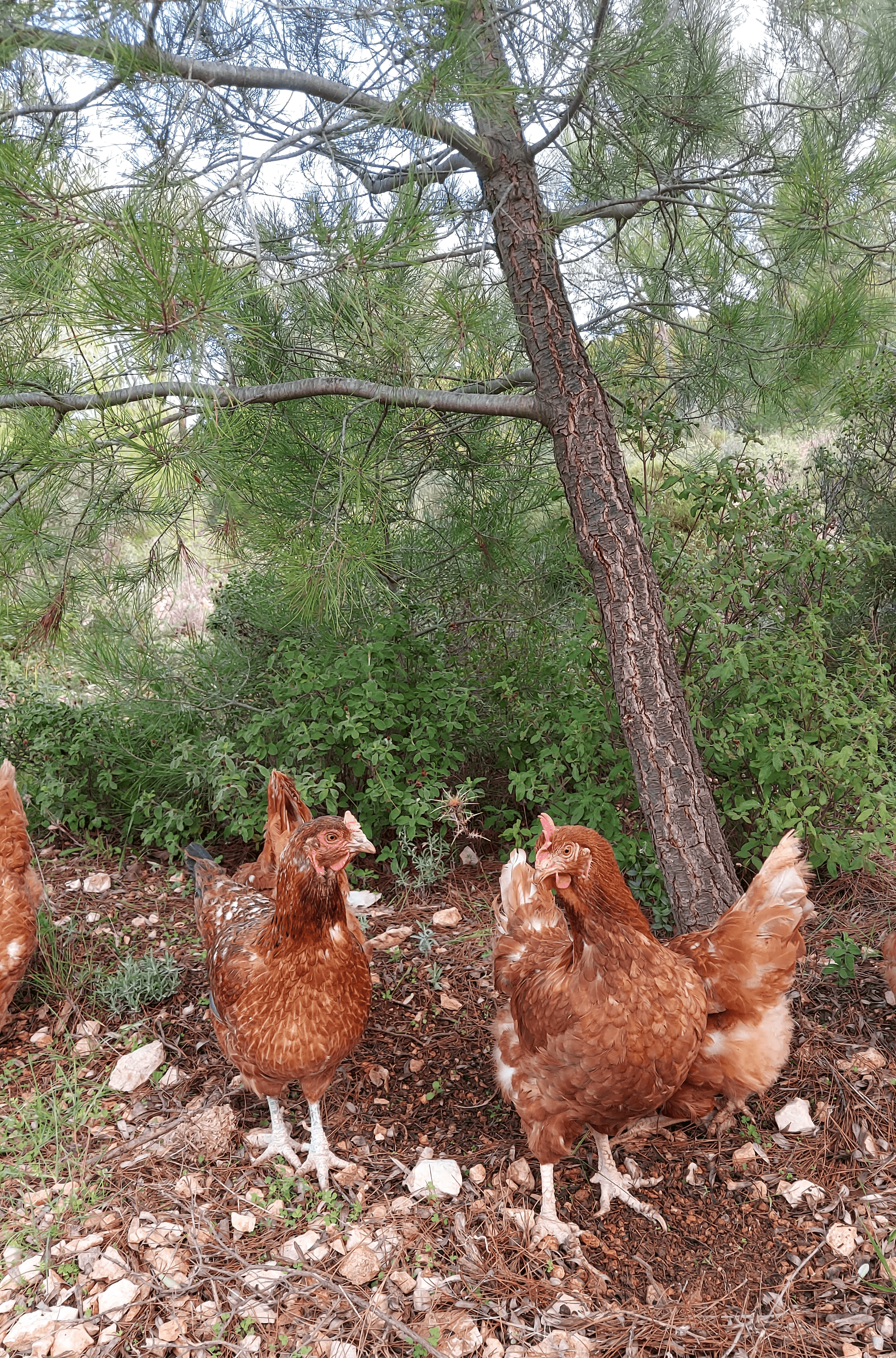
Chickens, honeybees, and sheep have been part of its cycles over time, linking cultivation with ecological rhythms. This way of living remains closely interwoven with the local fauna, maintaining a constant bond between daily life and nature.
design aspect