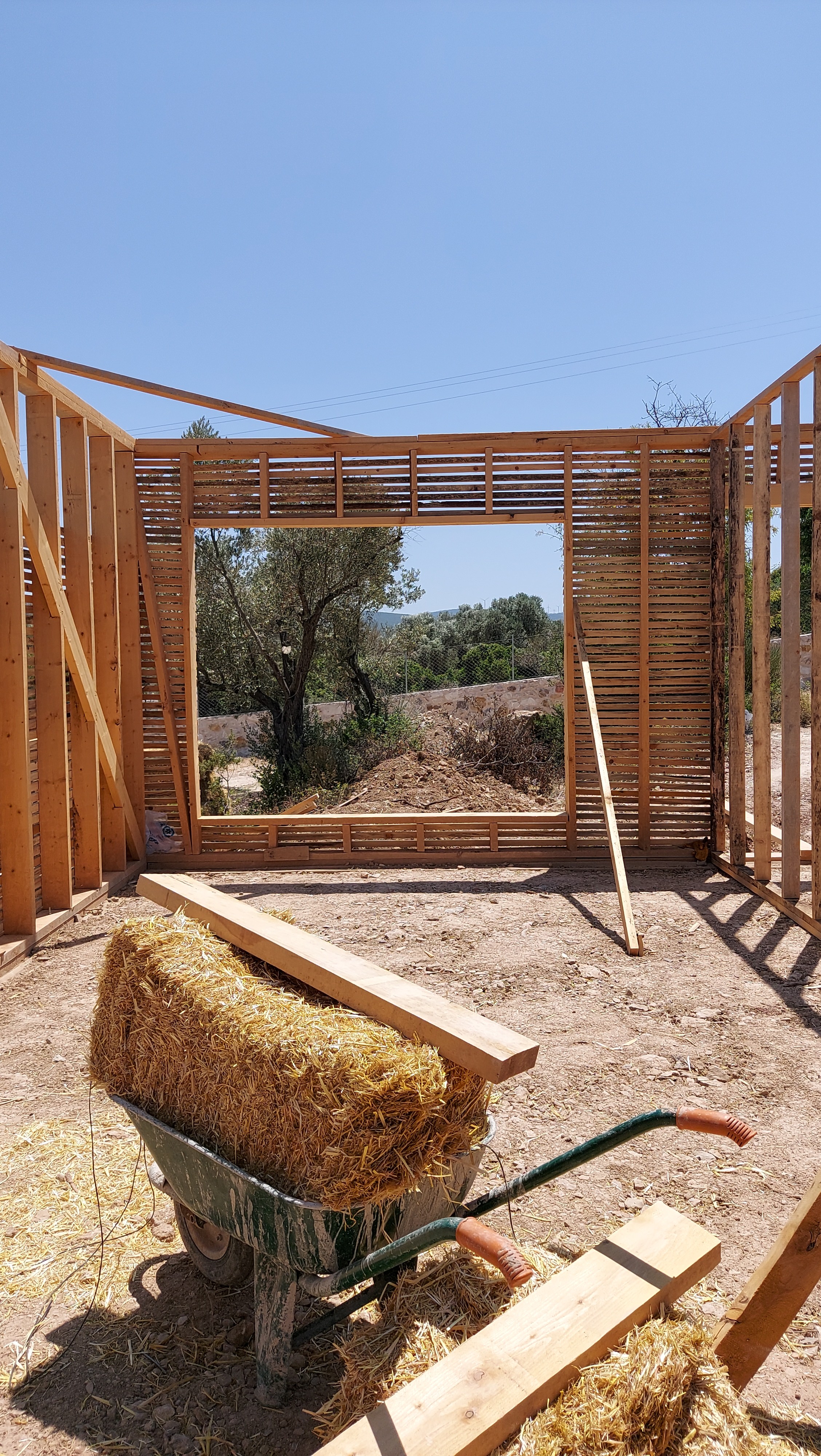
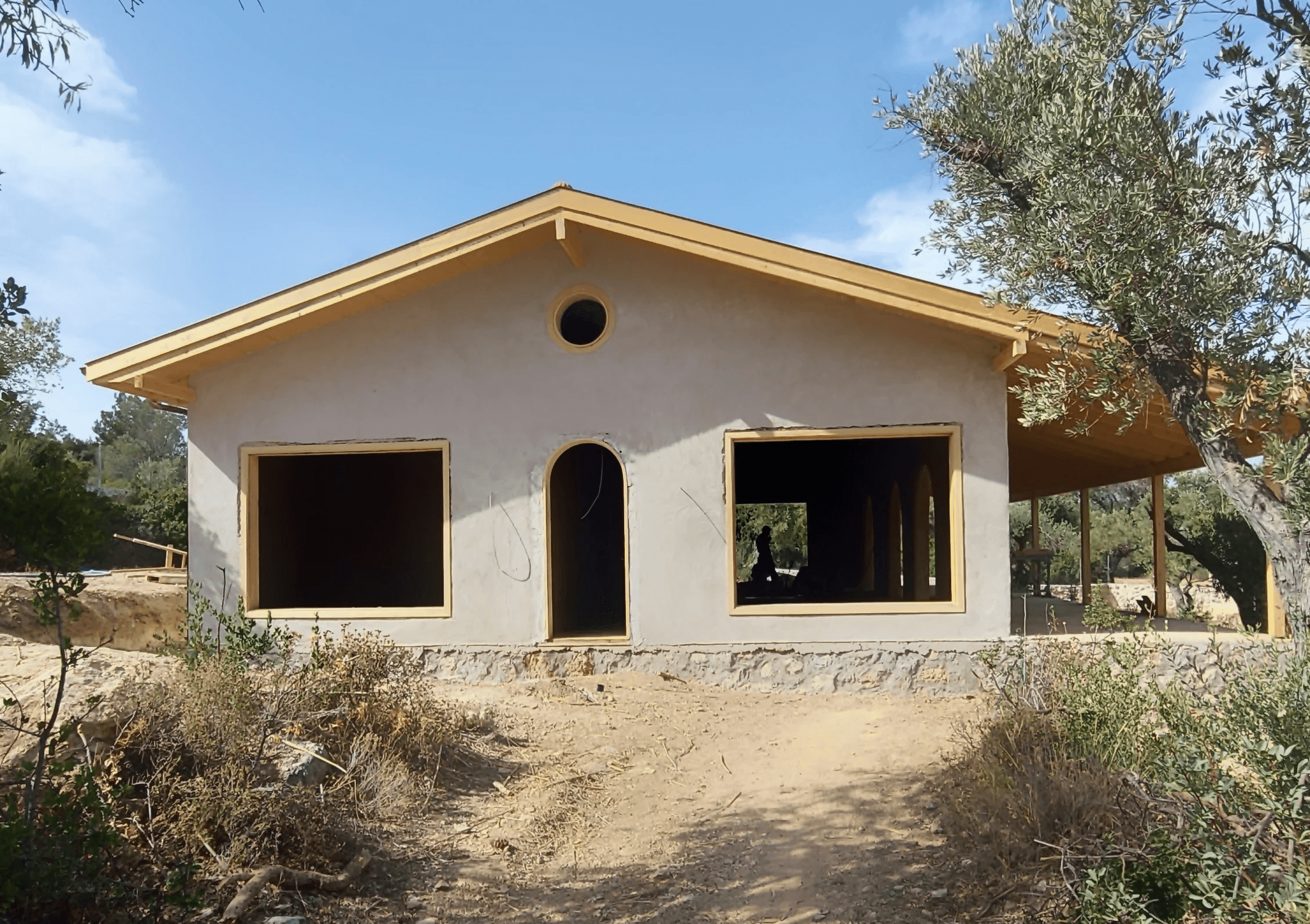
Set in an olive grove on the rocky hills outside Germiyan village in Çeşme, the 200 m² dwelling sits within a typical Mediterranean mountain landscape. The area is exposed to hot, dry summers, strong winds, and seasonal rains, conditions that shaped both the orientation and construction of the building. The house was conceived as an off-grid residence, designed to operate independently while remaining closely tied to its immediate environment.
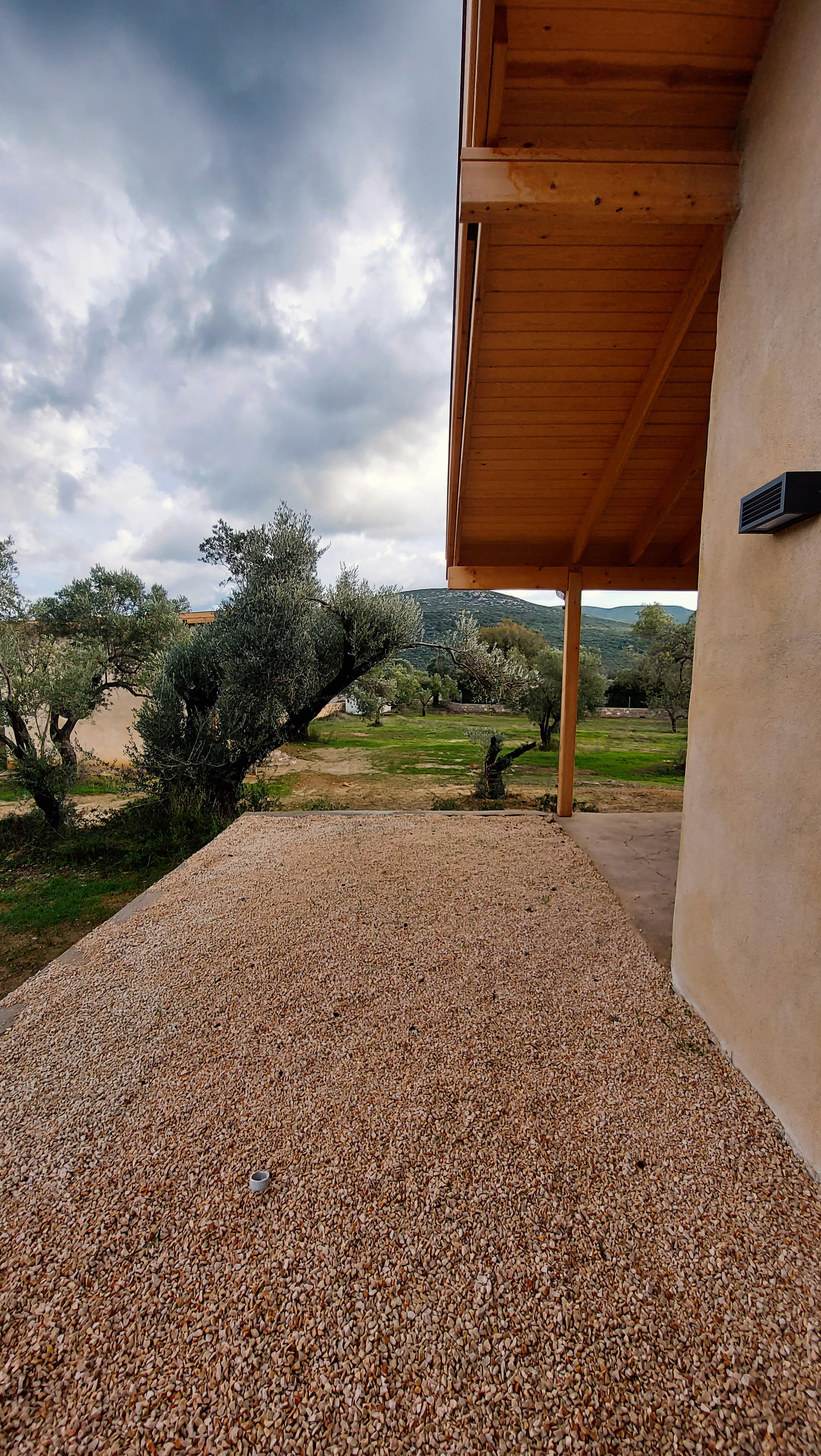
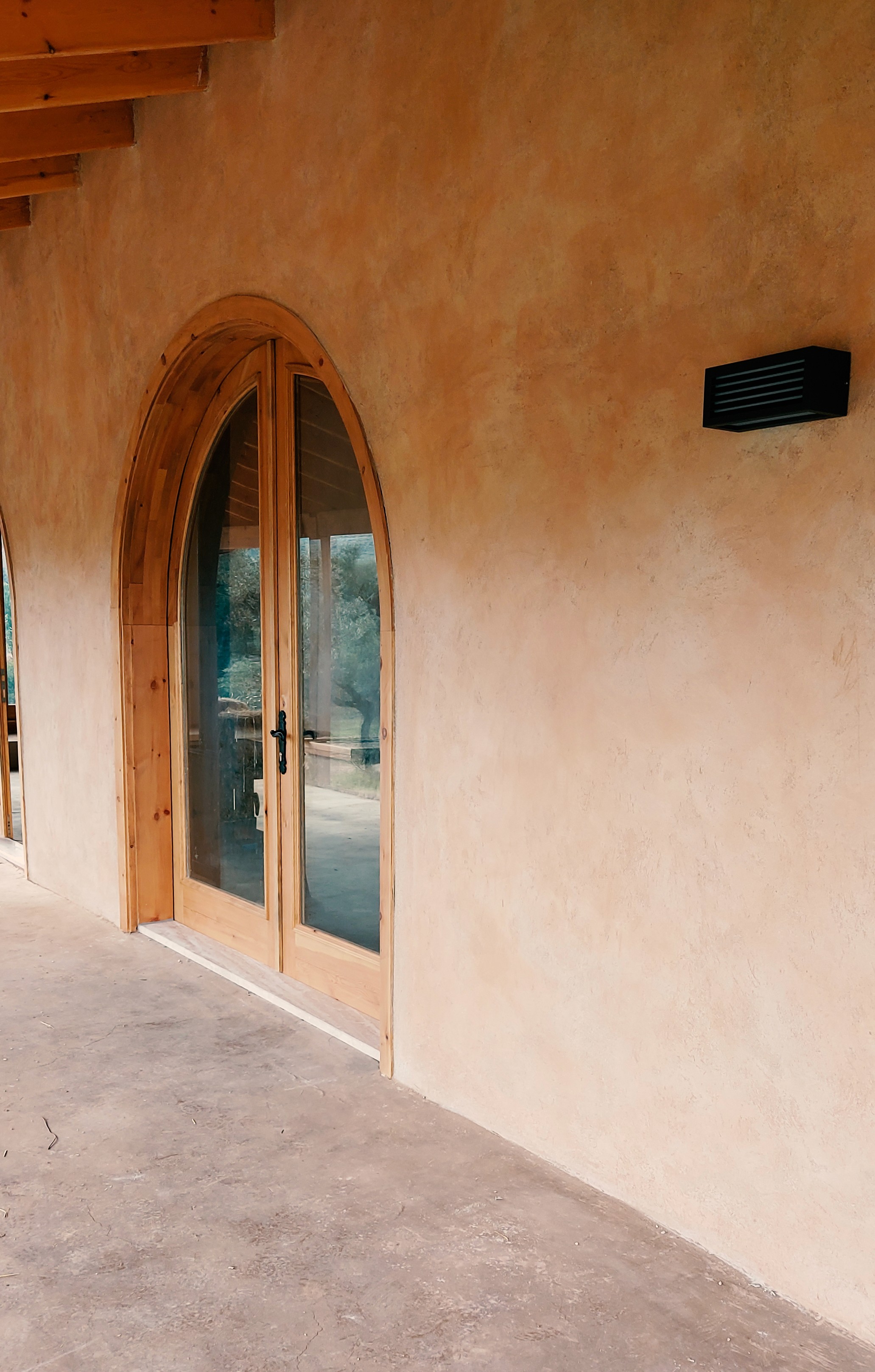
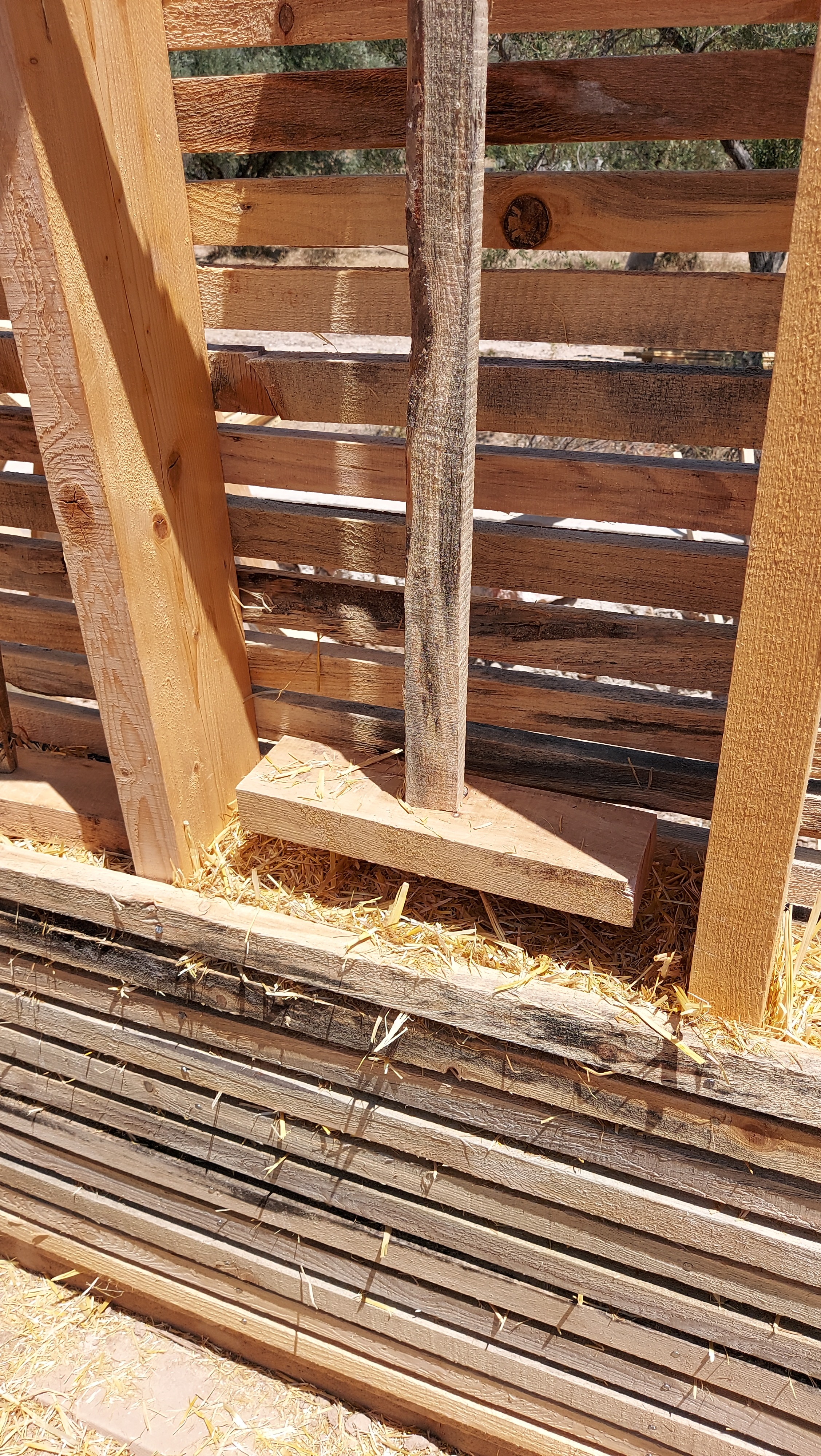
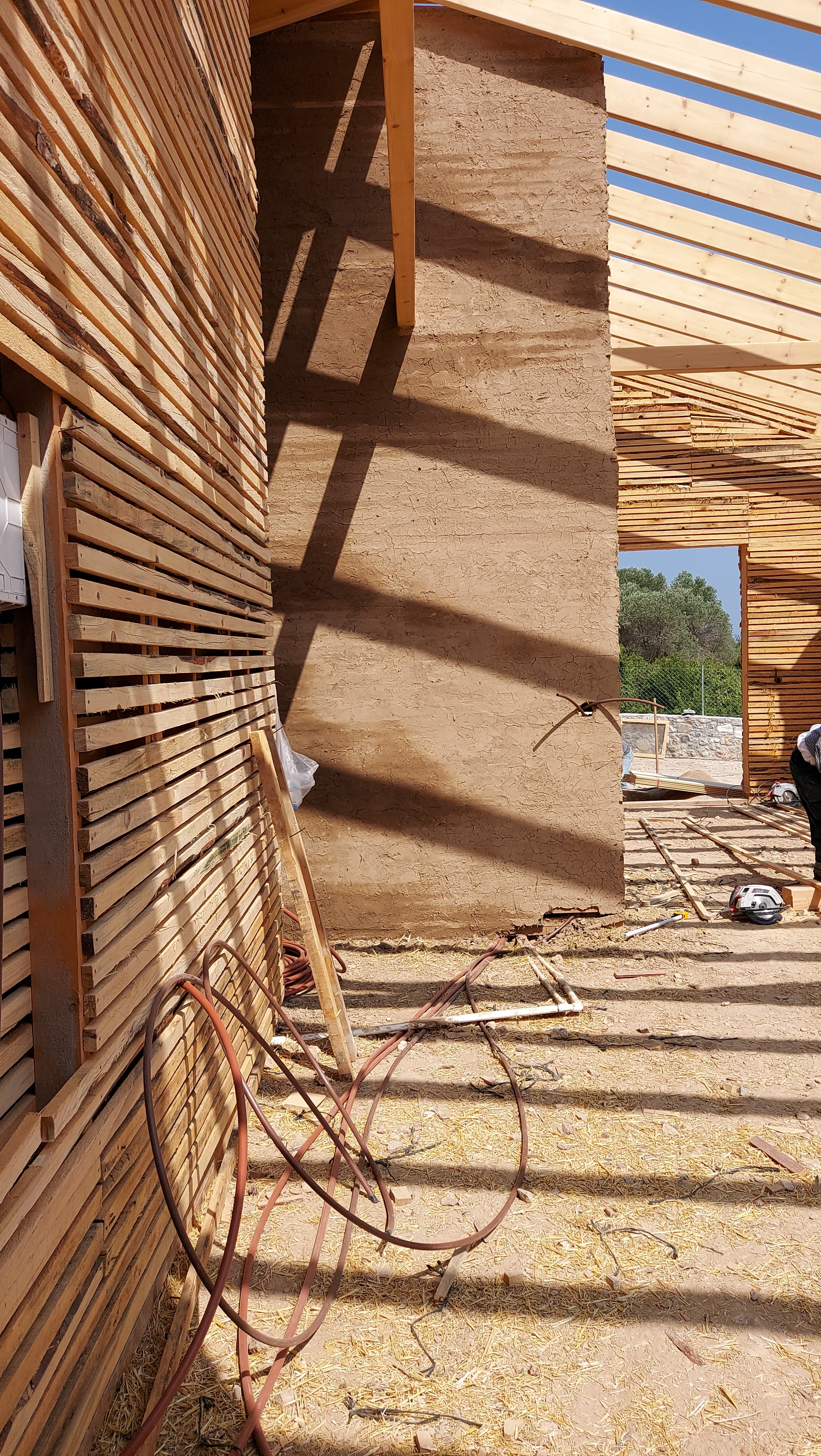
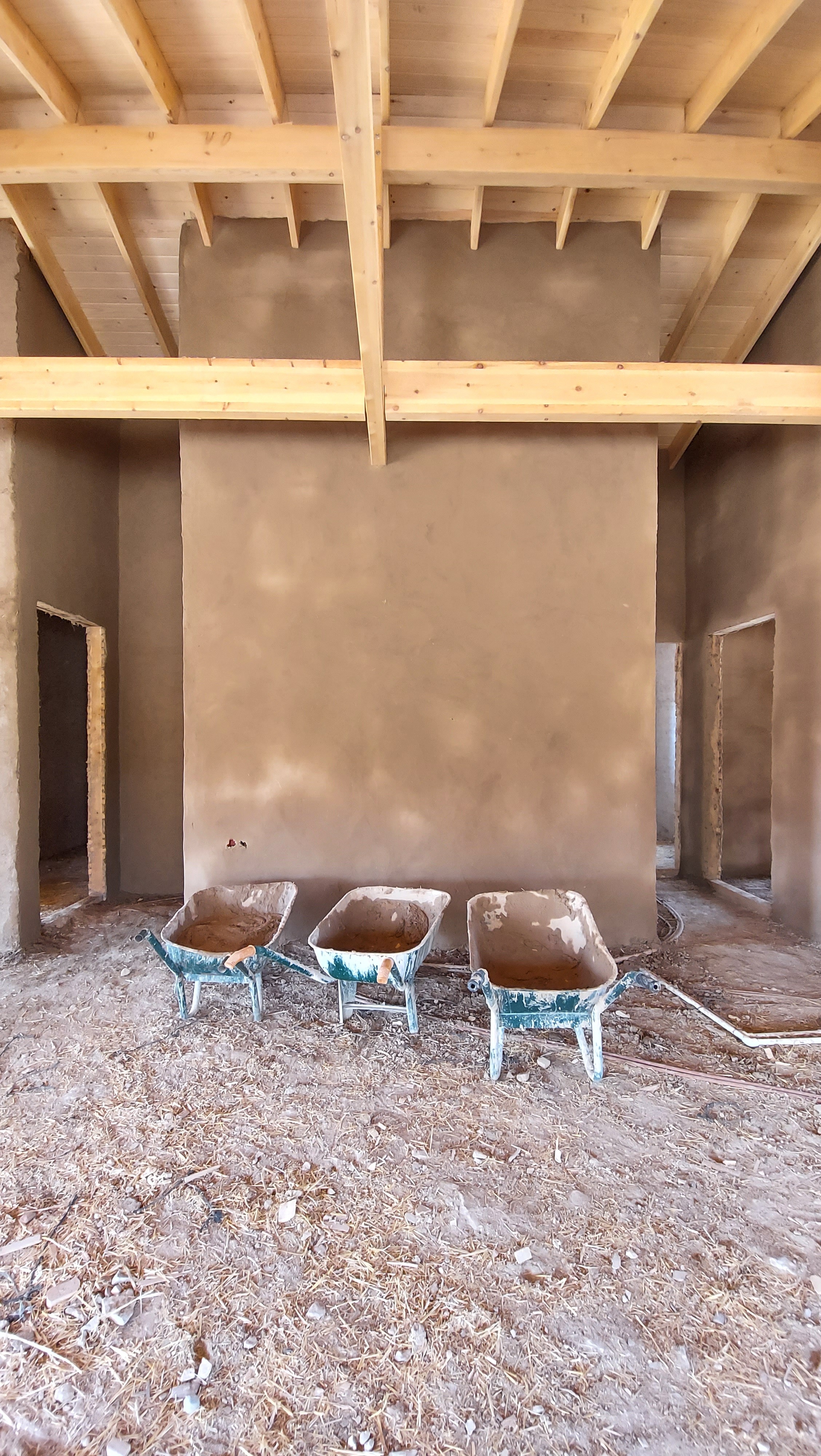
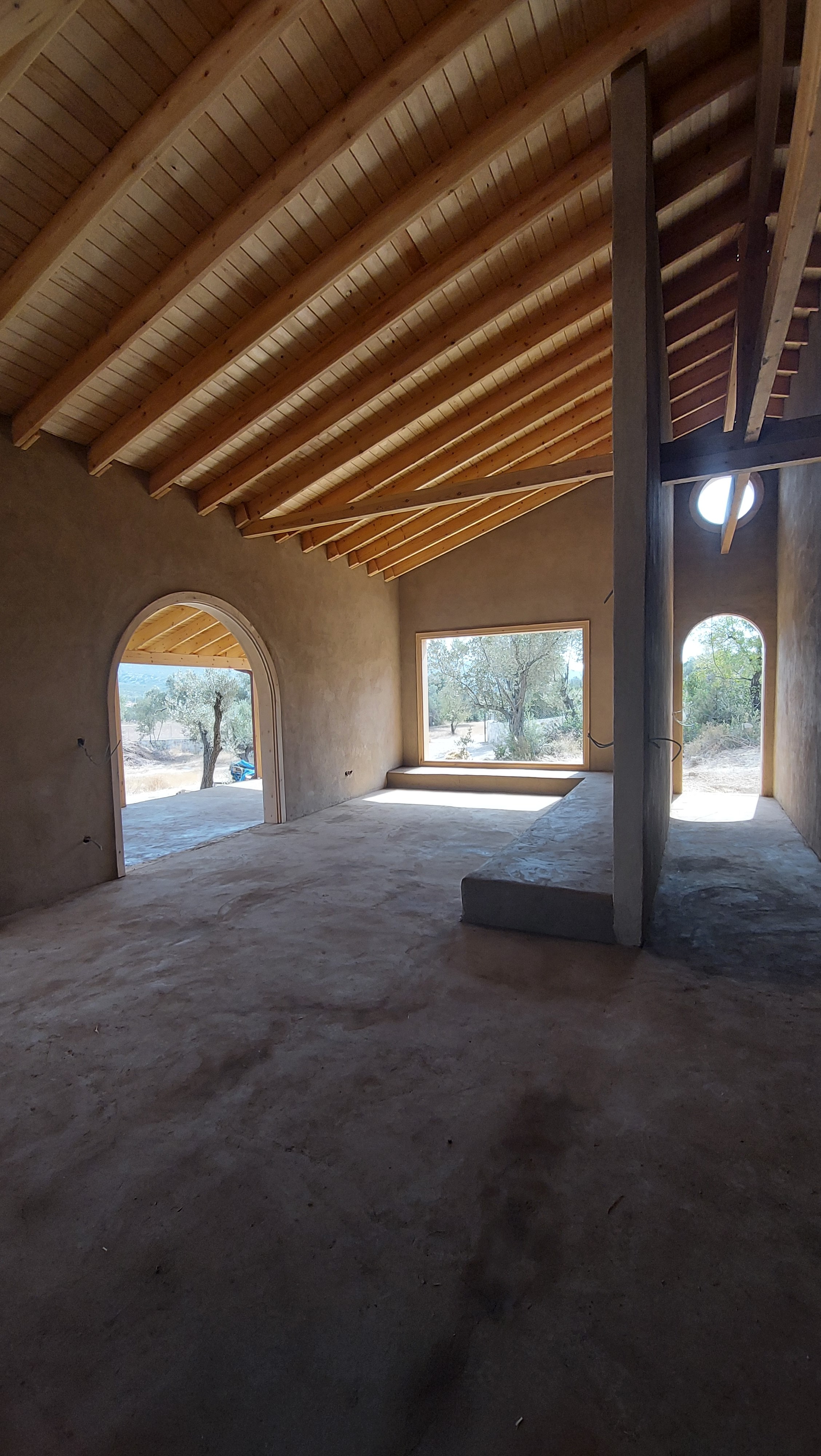
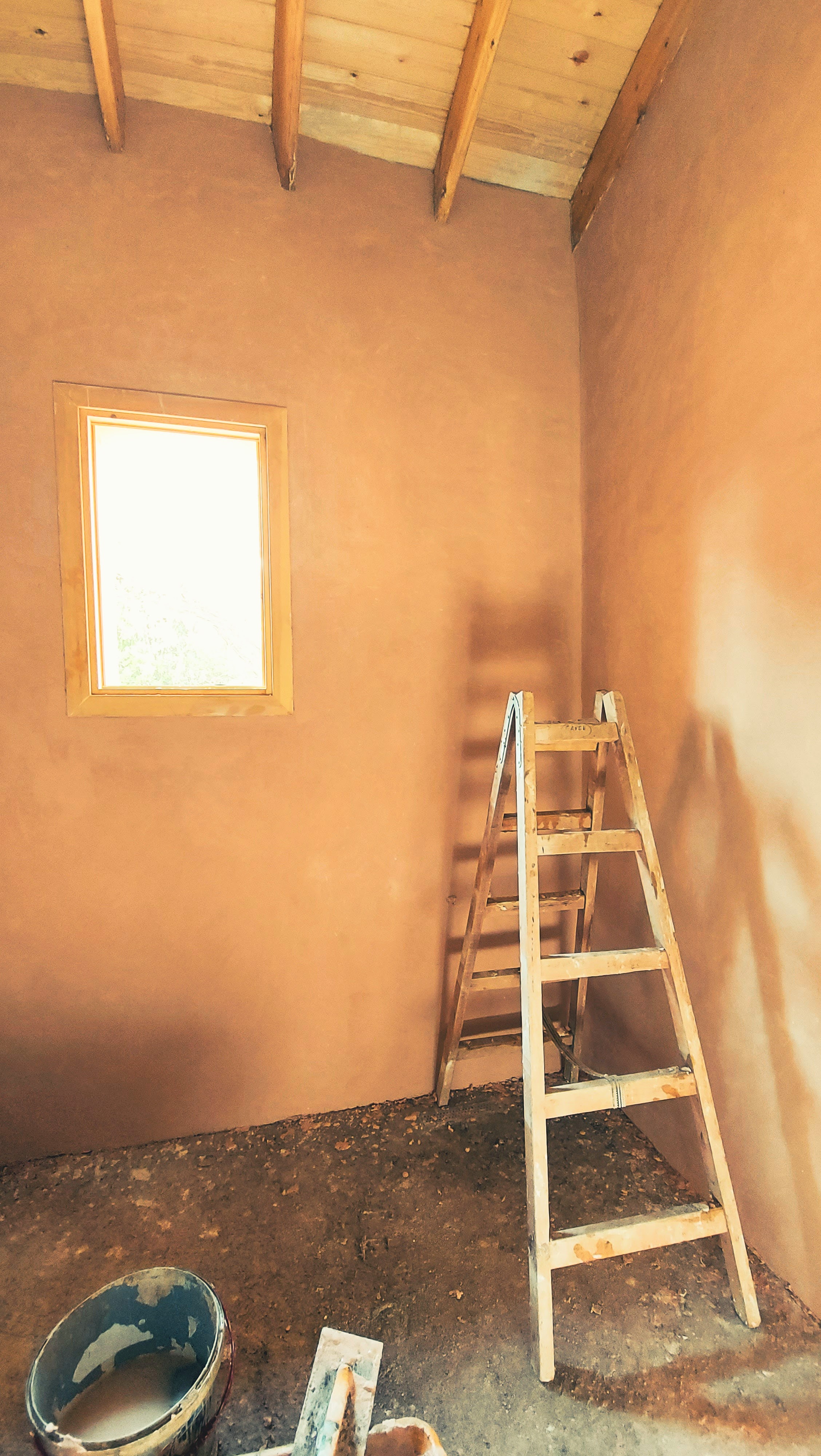
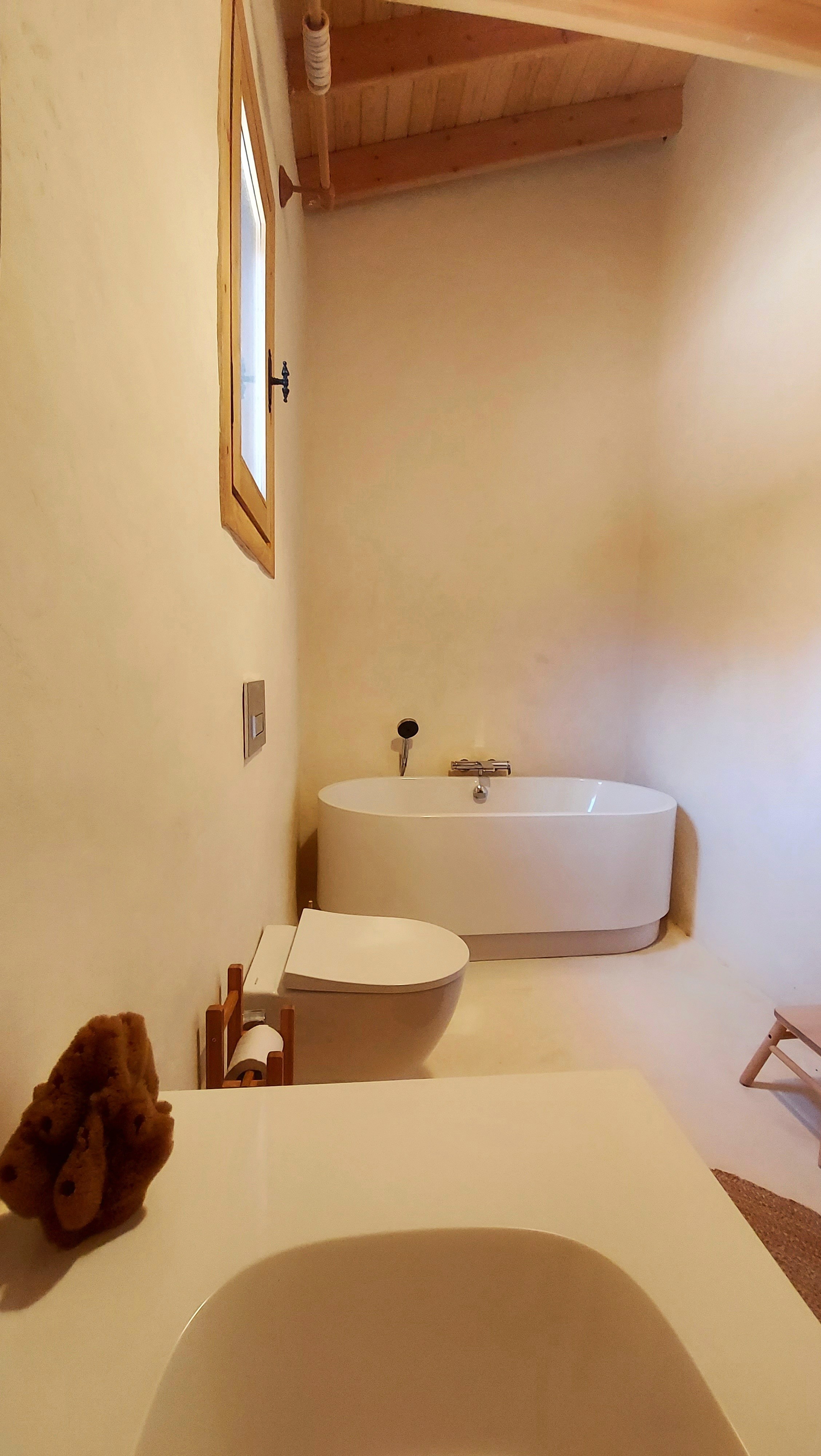
The design approach drew on passive house strategies to minimize energy demands. Openings were carefully placed to bring in natural light and cross-ventilation, while straw filled earthen walls and floor provide thermal stability. Rainwater harvesting, together with grey and black water reuse in the garden, reduces reliance on external water sources. These systems were integrated from the outset, making the house resilient to the site’s seasonal extremes.
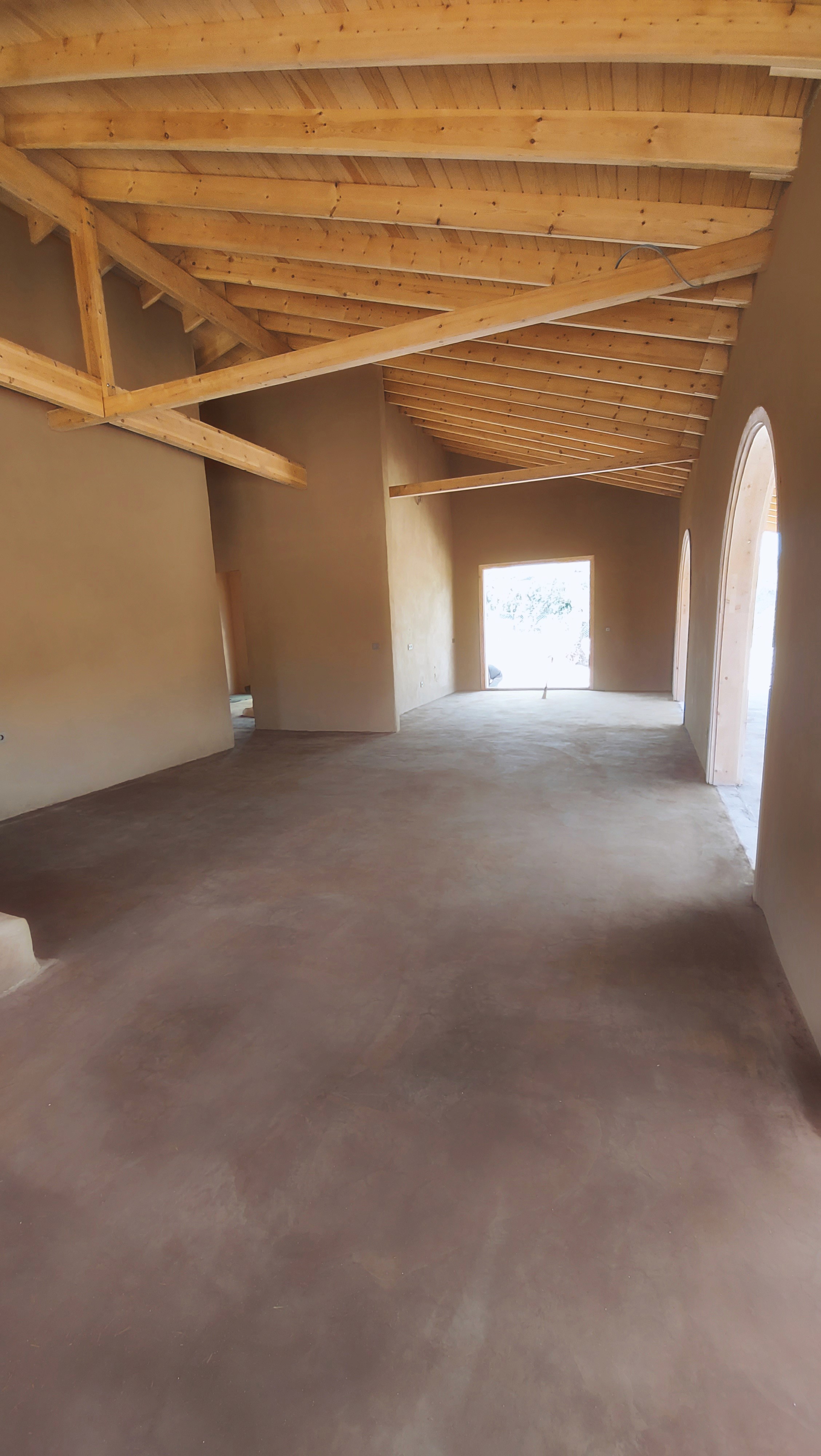
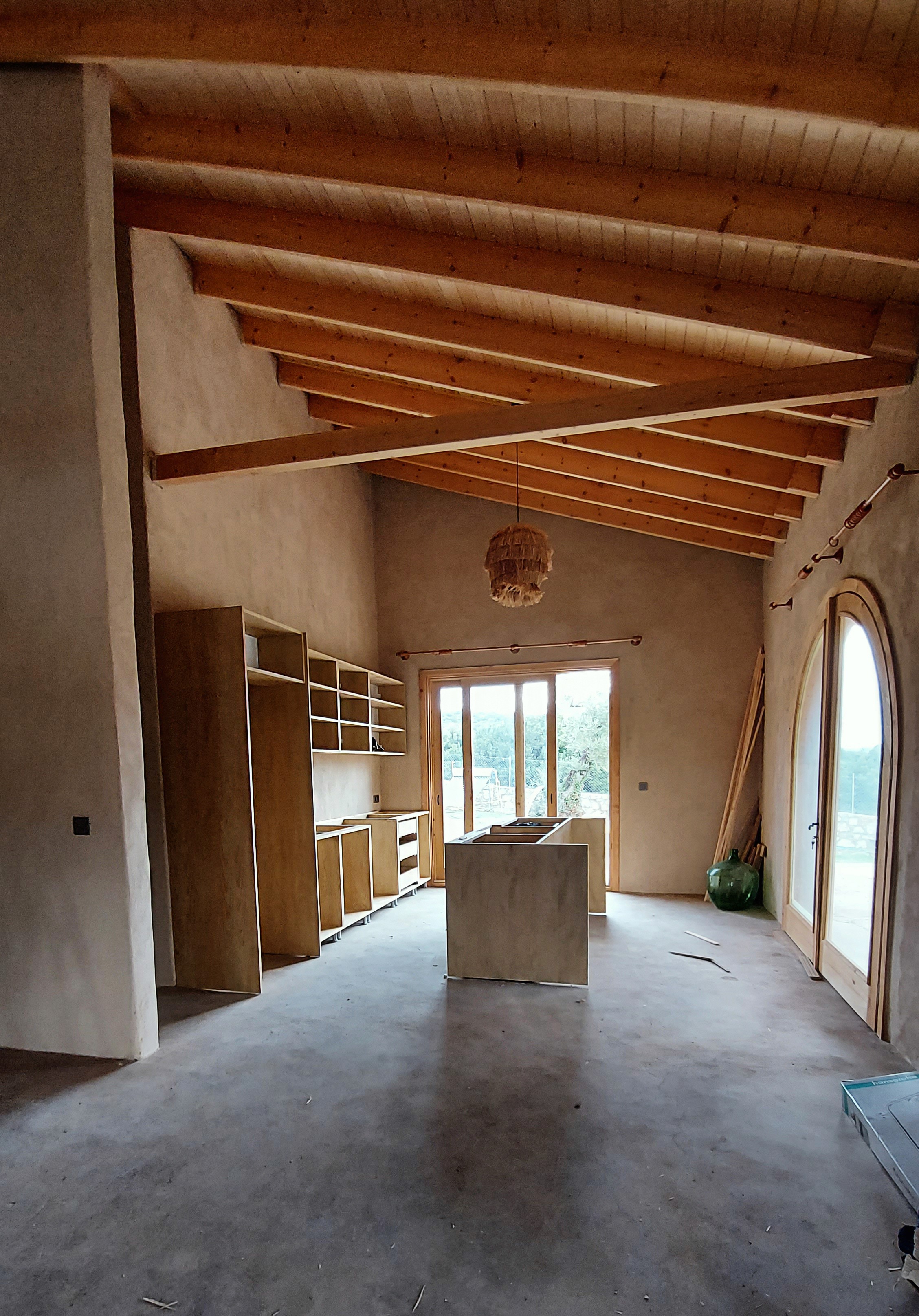
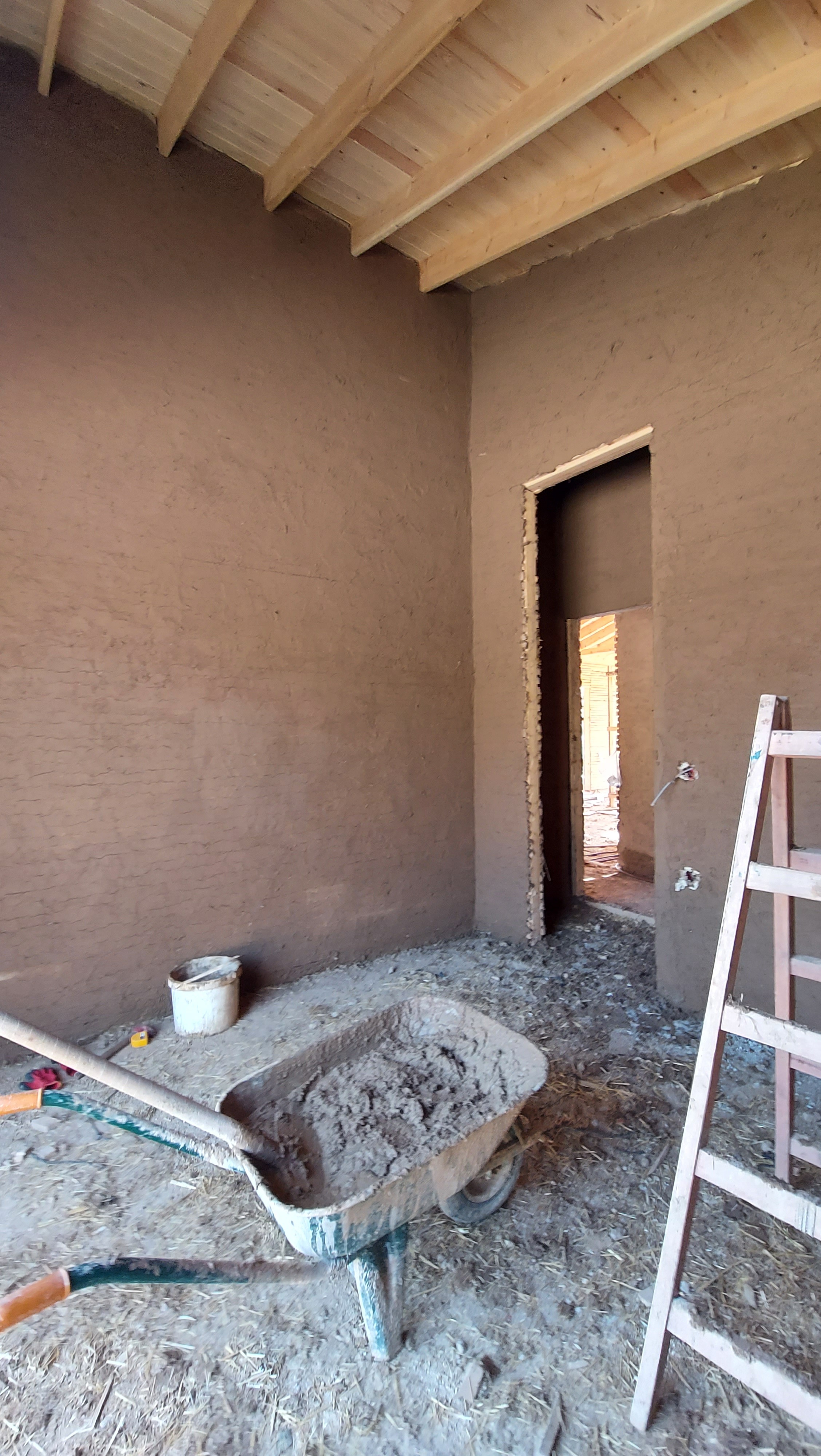
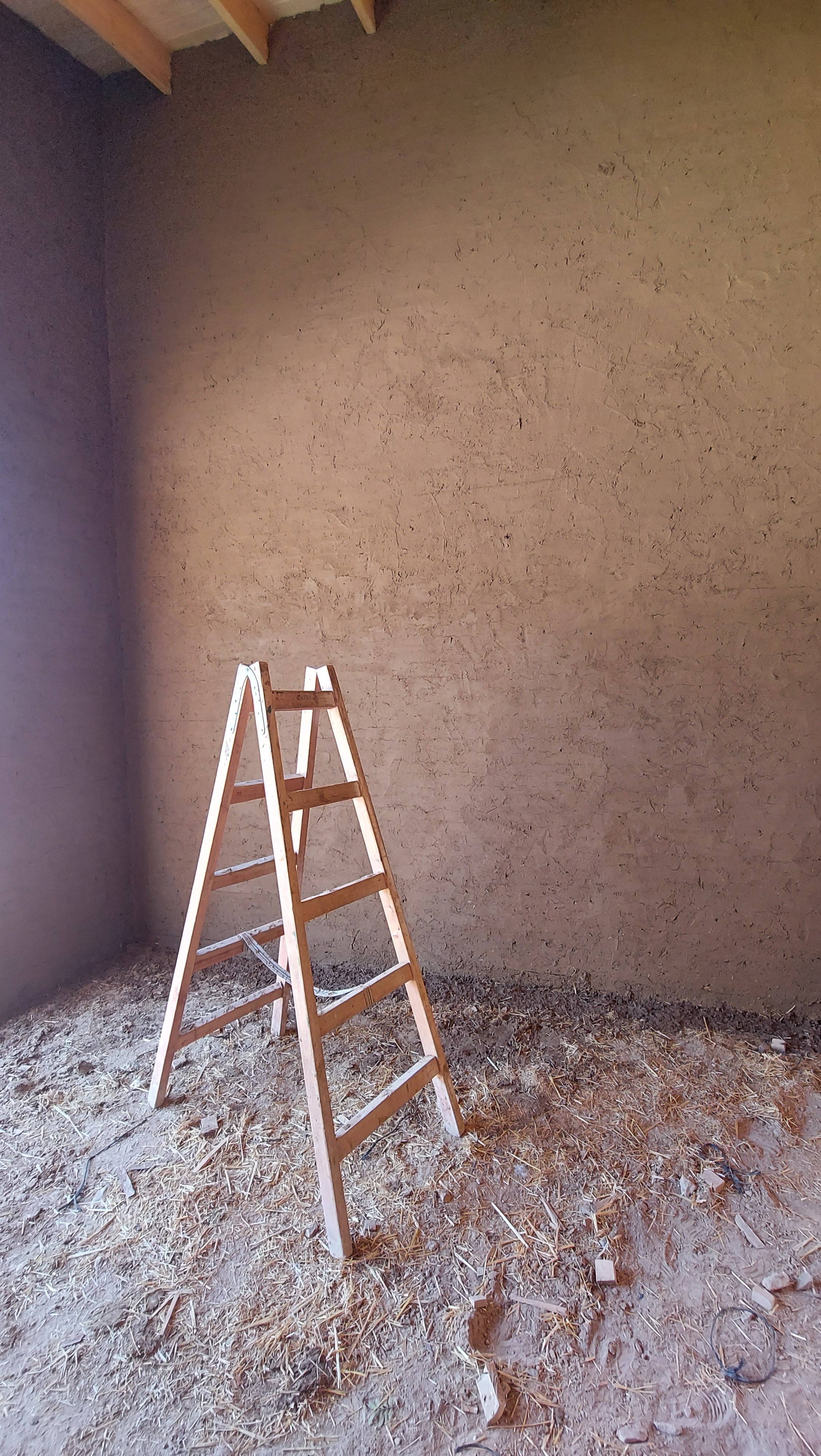
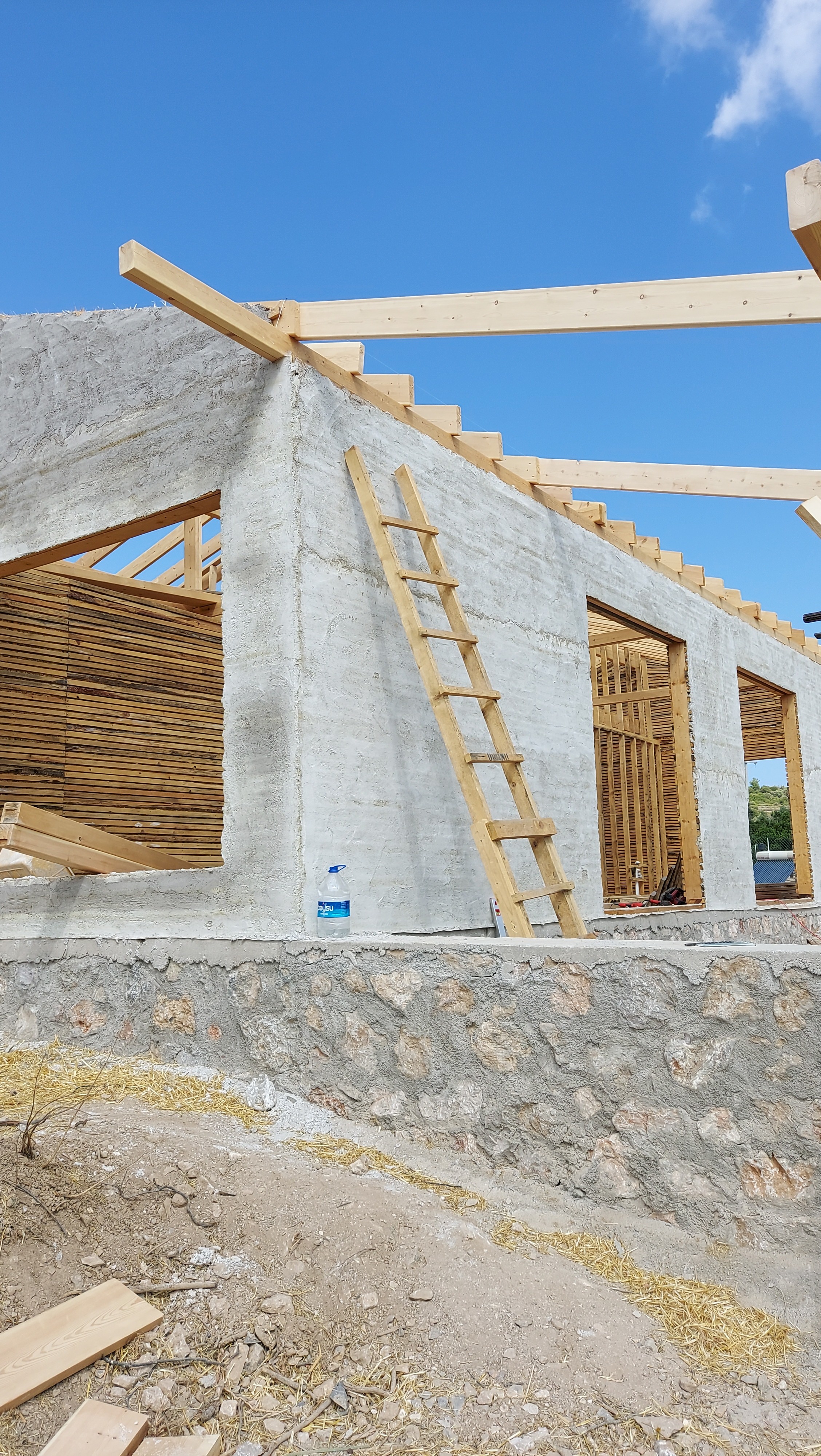
Locally available resources shaped the building process. The site’s own soil was used for earthen plasters and flooring, while stone, scoria/pumice, lime, and straw were sourced nearby. These choices ensured low embodied energy and eliminated the need for construction chemicals. The result is a breathable, durable structure with minimal ecological footprint.
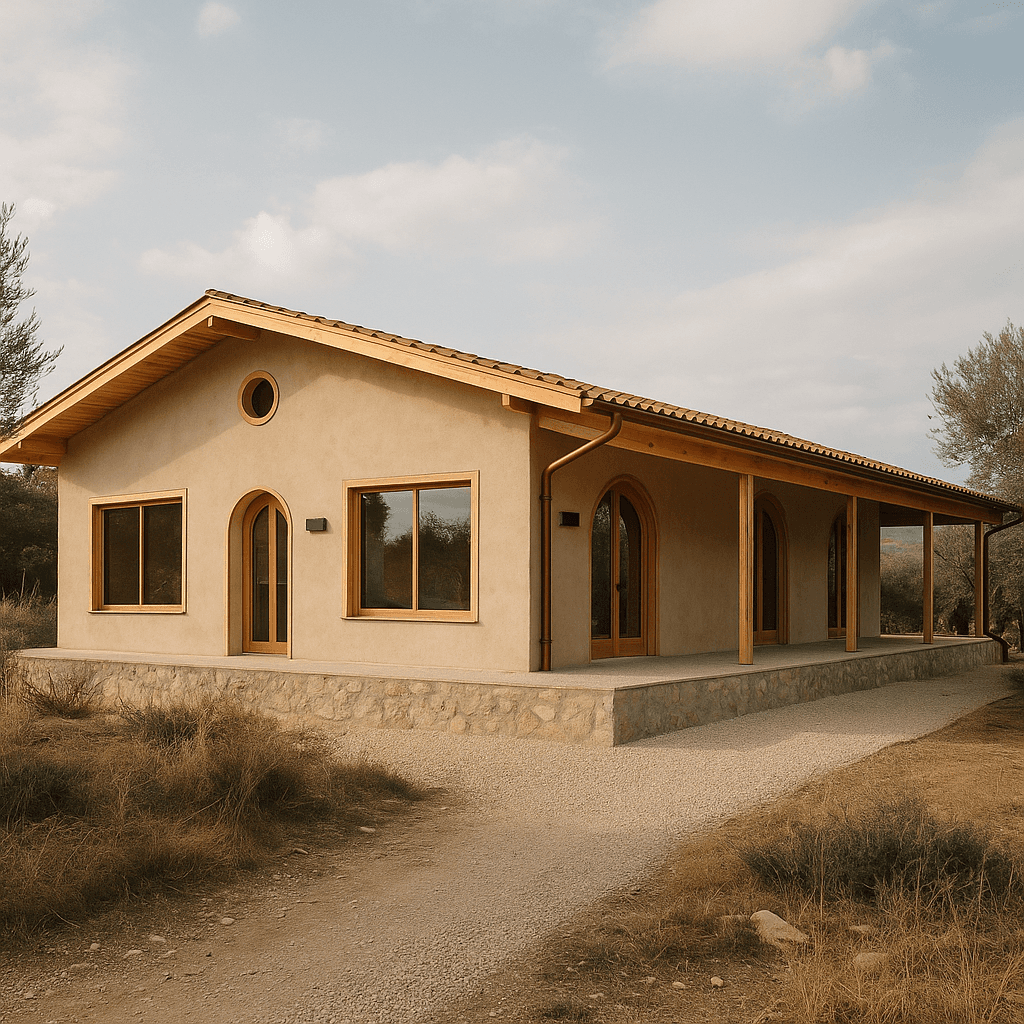
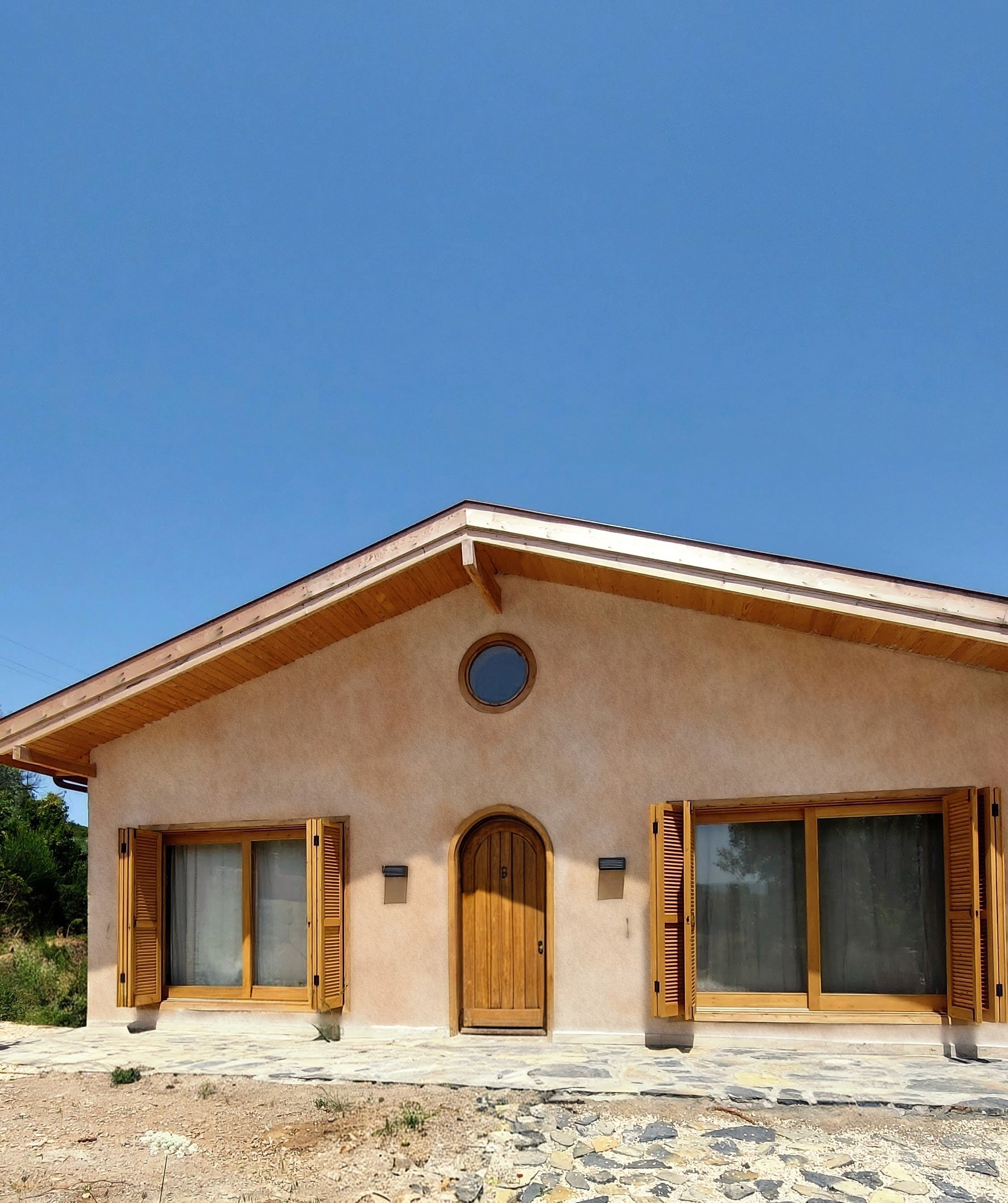
Completed within a 3-month period, the house now serves as a permanent residence. Its material choices, and design strategies create a living environment that is both comfortable and ecologically responsive, aligning daily life with the cycles of the landscape around it.
germiyan
germiyan